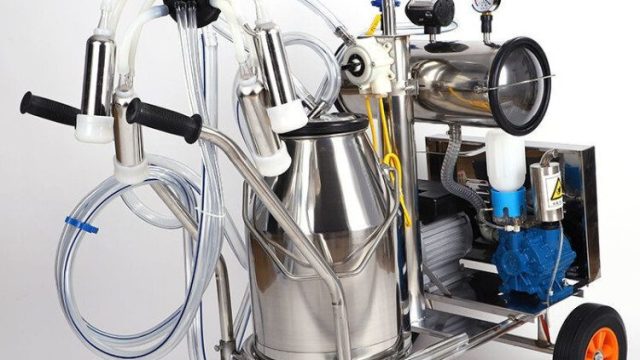
Vacuum Pump Milking Machine
Vacuum pump milking machine for small and medium dairy farms, designed for reliable daily milking with simple operation, stable vacuum performance and easy mobility.
View Product →
Explore our equipment catalogue for dairy farming, raw milk handling, processing, filling and packaging.
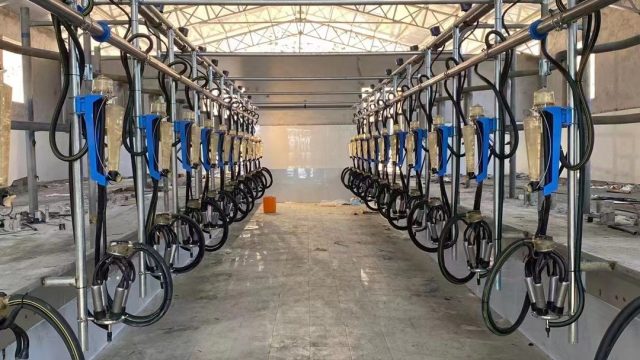
Herringbone milking parlor system for dairy farms, designed for efficient cow positioning, smooth milking workflow and reliable daily operation. Available in multiple stall configurations with optional milk monitoring and herd management functions.
View Product →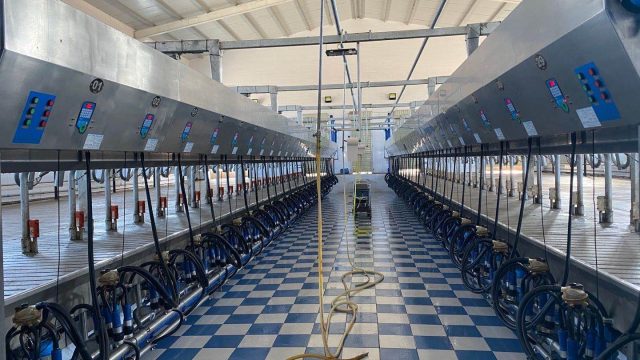
Parallel milking parlor system designed for efficient herd milking, organized cow flow and centralized operation. Available in multiple stall configurations with milking control and herd management options.
View Product →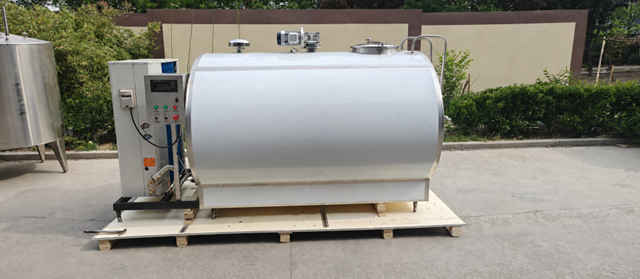
A horizontal, insulated direct-expansion cooling tank for rapid cooling and refrigerated storage of fresh milk. It is designed for dairy farms, milk collection centers and small dairy plants, combining a Copeland ZR47 compressor, gentle agitation and food-grade SUS304 milk-contact construction.
View Product →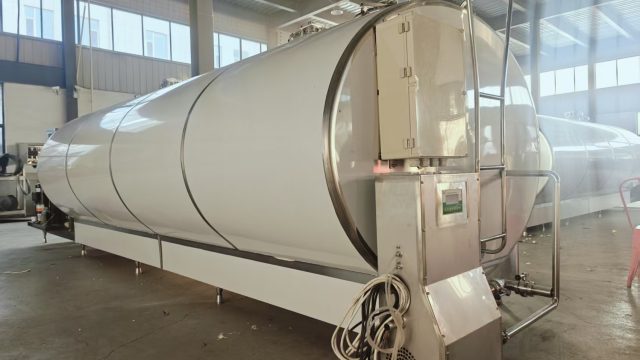
12,000 L horizontal bulk milk cooling tank for large dairy farms and milk collection applications, featuring dual refrigeration, gentle agitation and insulated SUS304 construction for rapid cooling and stable milk storage.
View Product →3000L horizontal milk cooling tank with a Copeland compressor, Kubedi refrigeration unit, SUS304 stainless steel inner tank, automatic stirring and EAC certification.
View Product →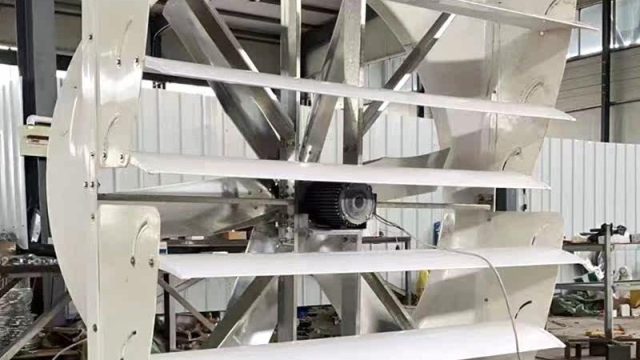
High-airflow 72-inch dairy barn ventilation fan for large livestock buildings, designed to improve long-distance air circulation and reduce heat stress with durable FRP construction and optional variable-speed control.
View Product →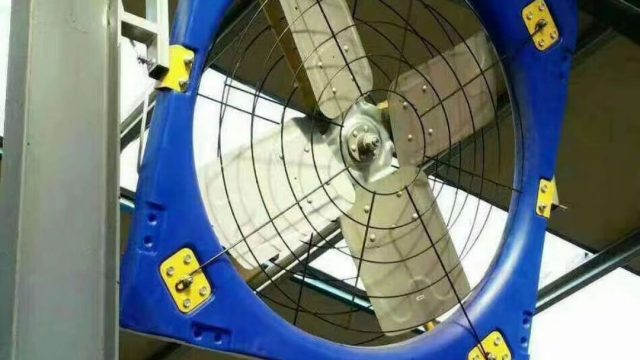
Dairy barn circulation fan for small and medium livestock buildings, providing targeted airflow and localized cooling with stainless-steel blades, durable PE housing and efficient low-power operation.
View Product →OUR EXPERTISE
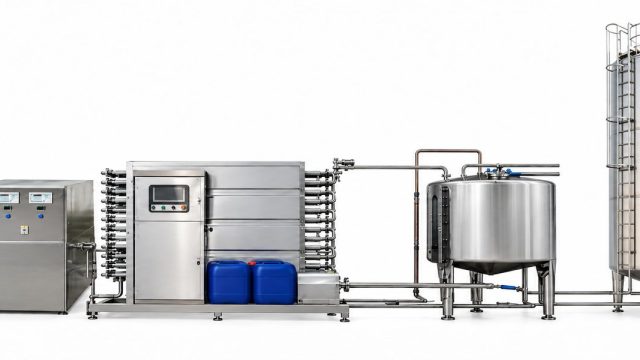
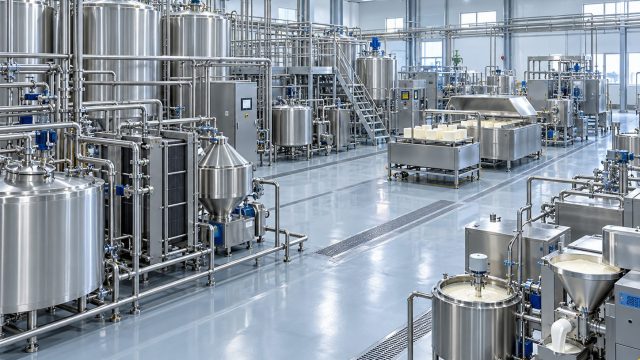
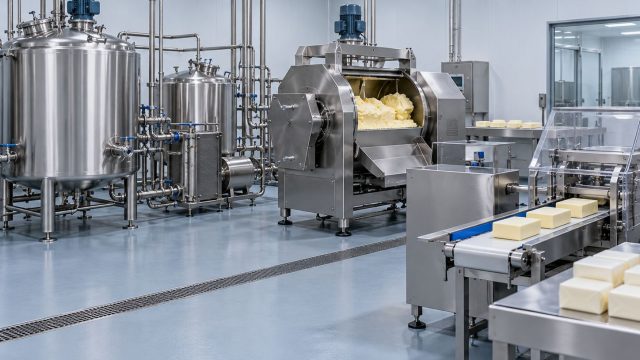
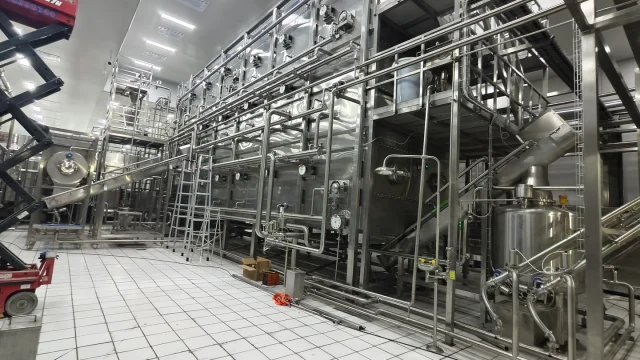

To recommend a suitable configuration, we need to understand your daily milk volume, milk collection schedule, initial milk temperature, local ambient conditions, available power supply and installation space. We also need to know your destination country and whether the tank will operate independently or as part of a dairy processing line. Based on this information, we can evaluate the refrigeration configuration, connections, optional CIP cleaning system and other project-specific requirements.
Yes. The tank can serve as a raw milk cooling and storage unit at the front end of a dairy processing line. It can be integrated with milk reception, filtration, transfer pumps and downstream equipment such as pasteurizers, cheese-making systems and yogurt production lines. The required pumps, pipelines, connection dimensions and control arrangements should be designed according to the processing capacity and layout of your facility.
A 3000L tank may be suitable for farms that collect milk in multiple milking sessions or need to store raw milk before regular collection or processing. However, tank capacity should not be selected based on daily milk production alone. You should also consider the volume collected per milking session, cooling requirements, collection frequency and the time between milk deliveries. If you share your daily milk output and milking schedule, we can help evaluate whether a 3000L tank is the right choice or whether a different capacity would be more practical.
Yes. A small multi-product dairy plant can share equipment such as milk cooling tanks, pasteurizers, sanitary pumps and CIP cleaning systems across different products, provided the processing conditions and production schedules are compatible. However, yogurt, cheese and butter production may require dedicated fermentation, curd processing, cream separation or butter churning equipment. The final configuration should be based on the target products and daily production capacity.
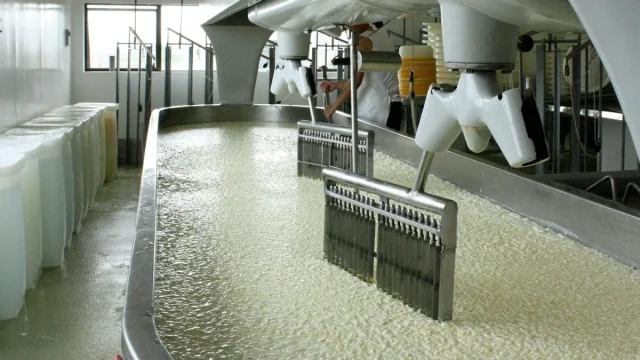
The production solution can be configured around different cheese categories, including fresh cheese, semi-hard cheese, hard cheese and Pasta Filata products such as Mozzarella, Suluguni and Provolone. The final process route and equipment configuration are determined by the target cheese, milk supply, capacity and production goals.
The configuration should start with your cheese type and actual production requirements rather than with individual machines. Daily milk capacity, batch size, production hours and downstream processes all influence the final solution.
Prepare your daily milk volume, milking schedule, collection frequency, available installation space, and utility conditions so the tank capacity and cooling configuration can be evaluated correctly.
A 1000L milk cooling tank can be suitable when your daily milk volume, milking frequency, and milk collection schedule match its usable capacity. Before choosing the tank, consider how much milk is produced per milking, how often milk is collected, and whether additional capacity is needed for peak production periods.