DAIROOL

3,000–5,000 L/day Multi-Product Dairy Production Line

Reference 3,000–5,000 L/day Configuration · Multiple Dairy Products · Modular Expansion

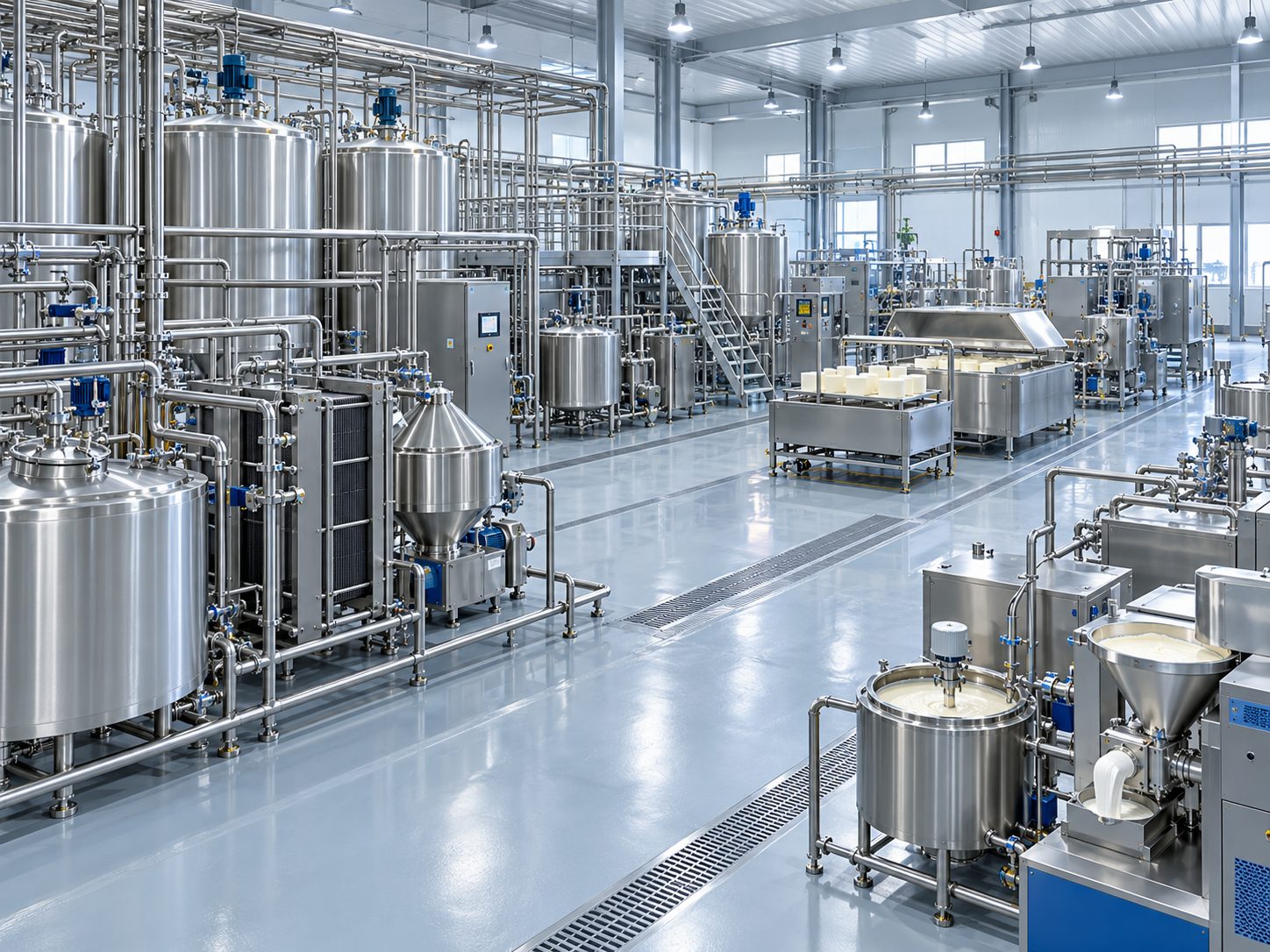
Designed for small and medium-sized dairy plants that want to produce multiple dairy products from one shared milk-processing platform. The system combines common front-end processing with dedicated product modules for pasteurized milk, yogurt, cheese, butter and ice cream, helping reduce duplicated equipment while supporting flexible production and future expansion.

Reference Daily Milk Input3,000–5,000 L/day
Shared Front-End Throughput500–1,000 L/h
Product AllocationFlexible by Product Mix
Future ExpansionModular Configuration
Target ProductsMilk / Yogurt / Cheese / Butter / Ice Cream
Process FlexibilityMulti-Product Configuration

KEY PROCESS

Key Process

After shared milk reception, separation, standardization and pasteurization, the process branches into dedicated product modules. Each module can be configured according to the target product, batch size and production schedule.

Pasteurized Milk

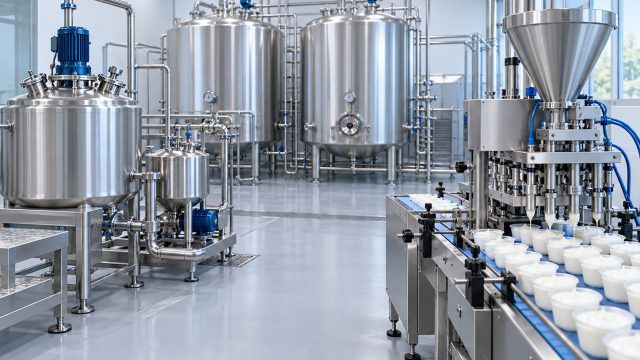
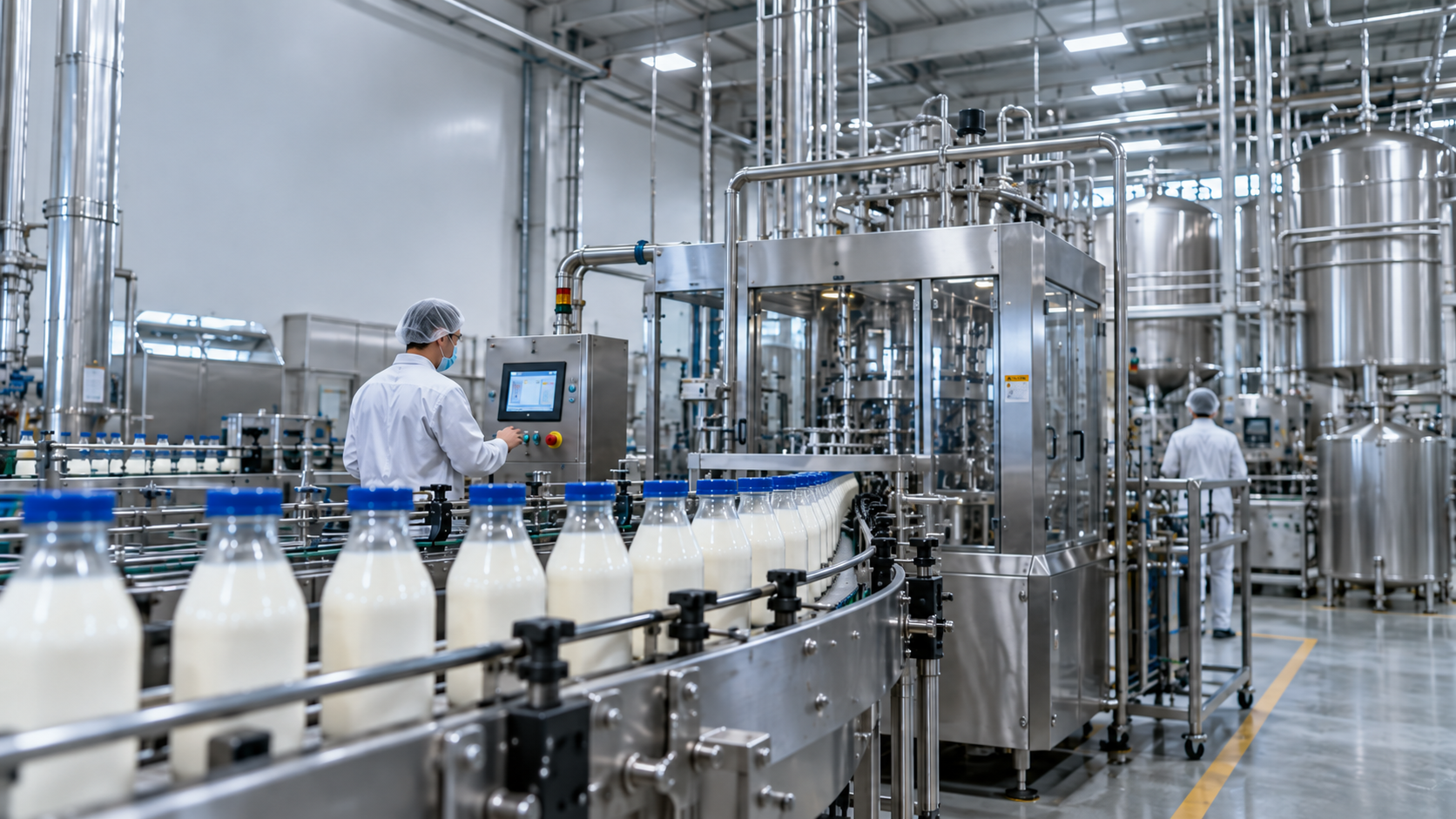
Shared upstream milk processing is followed by cooling, finished-milk storage, filling and cold storage for efficient liquid milk production.

Yogurt & Fermented Milk

The yogurt module adds fermentation, cooling, mixing and filling capacity for stirred, set or drinkable fermented milk products.
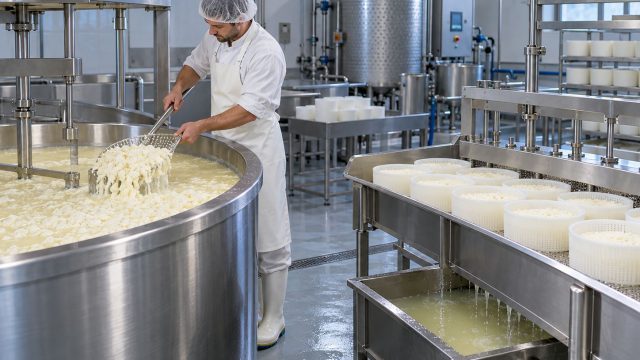
Cheese

Dedicated cheese processing can be configured for fresh, semi-hard or Pasta Filata products, including coagulation, whey drainage, curd handling, forming, pressing or stretching as required.
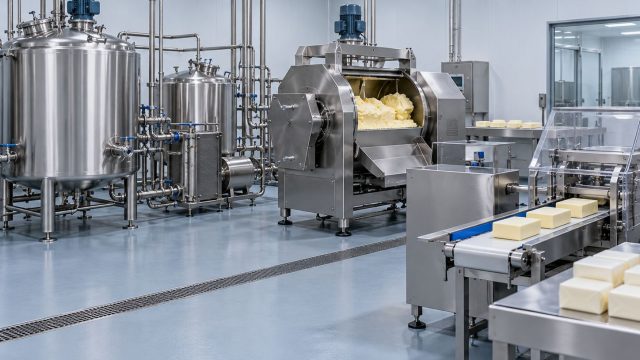
Butter

Separated cream is processed through cream treatment, ripening, batch churning, working, forming and packaging according to the target butter product.
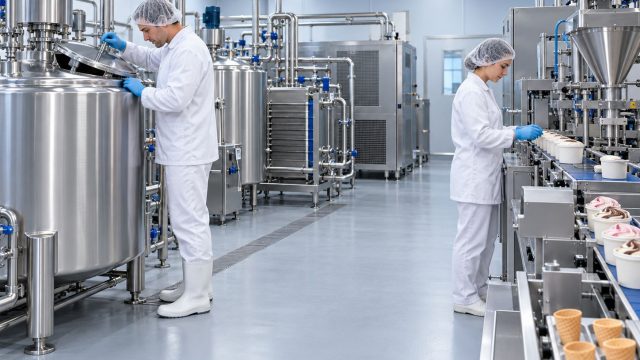
Ice Cream

The ice cream module uses dedicated mixing, homogenization, pasteurization, aging, freezing and filling equipment while sharing selected upstream utilities and dairy ingredients.

OVERVIEW

Production Line Overview

Reference configuration for a 3,000–5,000 L/day multi-product dairy plant. Final capacity, product mix, operating schedule and utility requirements are customized according to actual milk supply, target products and site conditions.

Reference Capacity

Reference Daily Milk Input3,000–5,000 L/day
Typical Batch SizeAround 500 L
Shared Front-End Throughput500–1,000 L/h
Buffer / Storage CapacityUp to 2,000 L
Reference Capacity
Reference Daily Milk Input3,000–5,000 L/day
Typical Batch SizeAround 500 L
Shared Front-End Throughput500–1,000 L/h
Buffer / Storage CapacityUp to 2,000 L

Operating Plan

Product AllocationFlexible by Product Mix
Batch ArrangementProject-Specific
Production SequenceScheduled by Product Module
Future ExpansionModular Configuration
Operating Plan
Product AllocationFlexible by Product Mix
Batch ArrangementProject-Specific
Production SequenceScheduled by Product Module
Future ExpansionModular Configuration

Products & Process

Target ProductsMilk / Yogurt / Cheese / Butter / Ice Cream
Shared ProcessingReception / Separation / Pasteurization
Dedicated ModulesProduct-Specific Processing
Process FlexibilityMulti-Product Configuration
Products & Process
Target ProductsMilk / Yogurt / Cheese / Butter / Ice Cream
Shared ProcessingReception / Separation / Pasteurization
Dedicated ModulesProduct-Specific Processing
Process FlexibilityMulti-Product Configuration

Utilities & Control

Utility SupplyHot Water / Cooling / Compressed Air
Control LevelProject-Specific
Cleaning SystemCIP Scope by Configuration
Site IntegrationConfirmed During Engineering
Utilities & Control
Utility SupplyHot Water / Cooling / Compressed Air
Control LevelProject-Specific
Cleaning SystemCIP Scope by Configuration
Site IntegrationConfirmed During Engineering

CORE PERFORMANCE

Core Performance

Production planning for the reference 3,000–5,000 L/day configuration coordinates daily milk intake, shared front-end processing capacity, batch size and downstream product modules. Product allocation and production sequence are adjusted according to the selected product mix, order demand and equipment availability.

Flexible Multi-Product Production

One Milk Supply · Five Product Modules→
Use shared front-end processing and dedicated product modules to switch production according to market demand.Reference: 3,000–5,000 L/day.

Flexible Milk Allocation

Allocate daily milk among selected product modules according to orders, demand and batch requirements.

By Product Demand

Capacity Expansion

Increase daily output first through additional shifts where equipment capacity allows, then expand selected modules as demand grows.

More Shifts · Modular Upgrade

Multi-Product Scheduling

Arrange production by product type, processing time, equipment availability and cleaning requirements.

Module-Based Planning

PROCESS FLOW

Process Flow

The reference multi-product dairy line uses a shared front-end for milk reception, storage, separation, standardization and pasteurization, followed by dedicated processing modules for pasteurized milk, yogurt, cheese, butter and ice cream. The final process route is configured according to the selected product mix, daily milk allocation and operating schedule.

Key Process Stages

Reference Milk Supply
3,000–5,000 L/day
Process Architecture
Shared Front-End + Dedicated Modules
Shared Processing
Reception / Separation / Standardization / Pasteurization
Product Modules
Milk / Yogurt / Cheese / Butter / Ice Cream
Production Allocation
Flexible by Product Mix
Expansion Method
Modular Product Expansion

CORE EQUIPMENT

Core Equipment

The reference line combines a shared milk-processing section with dedicated downstream modules for pasteurized milk, yogurt, cheese, butter and ice cream. Final equipment models, capacities and quantities are selected according to the approved product mix and production schedule.

Shared Milk Processing System

Reception · Separation · Pasteurization

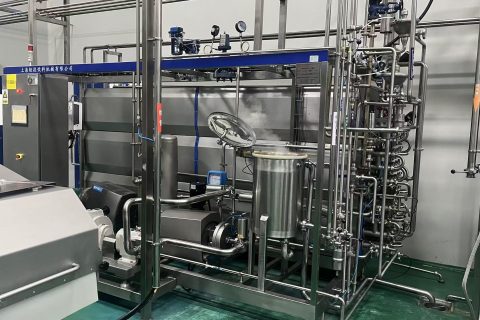
Handles common upstream milk processing before product streams are distributed to dedicated modules.
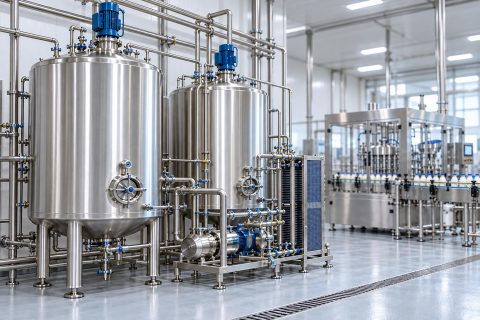
Milk Cooling & Filling Module

Cooling · Storage · Filling

Supports pasteurized milk production through finished-milk cooling, storage, filling and cold-chain handling.
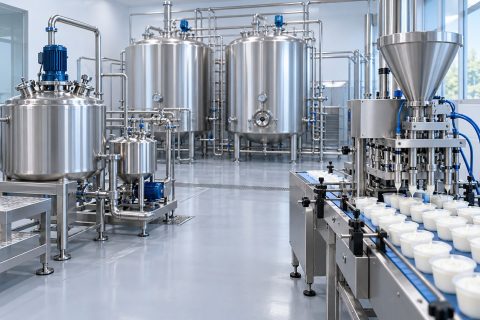
Yogurt & Fermentation Module

Fermentation · Cooling · Filling

Adds controlled fermentation, cooling, mixing and filling for yogurt and other fermented milk products.
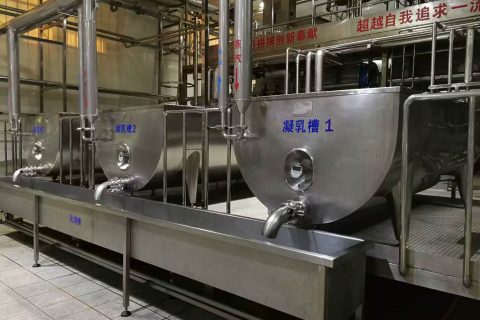
Cheese Processing Module

Coagulation · Draining · Forming

Configured for fresh, semi-hard or Pasta Filata cheese according to the selected cheese process.
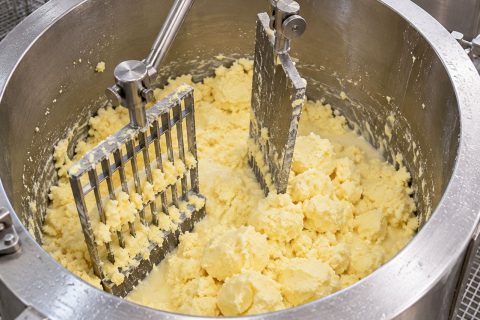
Butter Processing Module

Cream Treatment · Churning · Working

Processes separated cream through conditioning, batch churning, working, forming and packaging.
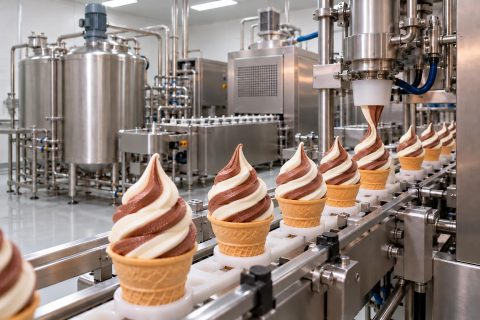
Ice Cream Processing Module

Mixing · Aging · Freezing

Uses dedicated mixing, homogenization, pasteurization, aging, freezing and filling equipment.

CONFIGURATION

Line Configuration & Options

The reference configuration combines shared front-end milk processing with selected product modules. Standard scope, optional modules and automation level are confirmed according to the target product mix, daily milk allocation, site utilities and future expansion plan.

Standard Configuration

Shared Processing + Selected Product Modules
  • Milk Reception & Buffering: Included — Shared milk reception and temporary buffering.
  • Separation & Standardization: Included / As Required — Configured according to the selected product mix.
  • Pasteurization System: Included — Shared heat-treatment section for applicable products.
  • Selected Product Modules: Included — Milk, yogurt, cheese, butter or ice cream modules as confirmed.
  • CIP Cleaning Support: Included — Cleaning scope confirmed according to final equipment configuration.

Optional Upgrades

Add Capacity · Automation · Flexibility
  • Automatic Filling & Packaging: Optional — For higher packaging efficiency and reduced manual handling.
  • Expanded Buffer / Storage: Optional — Adds flexibility between shared processing and downstream product modules.
  • Upgraded CIP System: Optional — For broader cleaning coverage and higher cleaning automation.
  • Additional Product Modules: Optional — Add or expand yogurt, cheese, butter or ice cream capacity as demand grows.
  • Higher Automation Level: Optional — Adds process monitoring, recipe control and automated sequencing where required.

Project-Specific Requirements

Confirmed Before Final Engineering
  • Product Mix: Project-Specific — Confirm target products and expected production share for each module.
  • Operating Schedule: Project-Specific — Confirm daily operating hours, batch sequence and expected shift arrangement.
  • Packaging Format: Project-Specific — Confirm bottle, cup, pouch, block or other final packaging requirements.
  • Utilities & Site Conditions: Project-Specific — Confirm power, hot water, cooling, air, drainage and available plant space.
  • Plant Layout & Interfaces: Project-Specific — Final equipment arrangement and connections are based on the approved site layout.

CASE STUDIES

Related Case Studies

KNOWLEDGE

Related Articles

Knowledge article pending

Knowledge article pending

Knowledge article pending

Knowledge article pending

Knowledge article pending

Knowledge article pending

Knowledge article pending

Knowledge article pending

FAQ

Frequently Asked Questions

Content pending

Content pending

Content pending

Content pending

Content pending

Content pending

Content pending
Content pending
Content pending
Q&A

Questions & Answers

Content pending

Content pending

Content pending

Content pending

Content pending

Content pending
Content pending

Content pending

Request Configuration & Quote