Multiple Cheese Routes. One Production System.
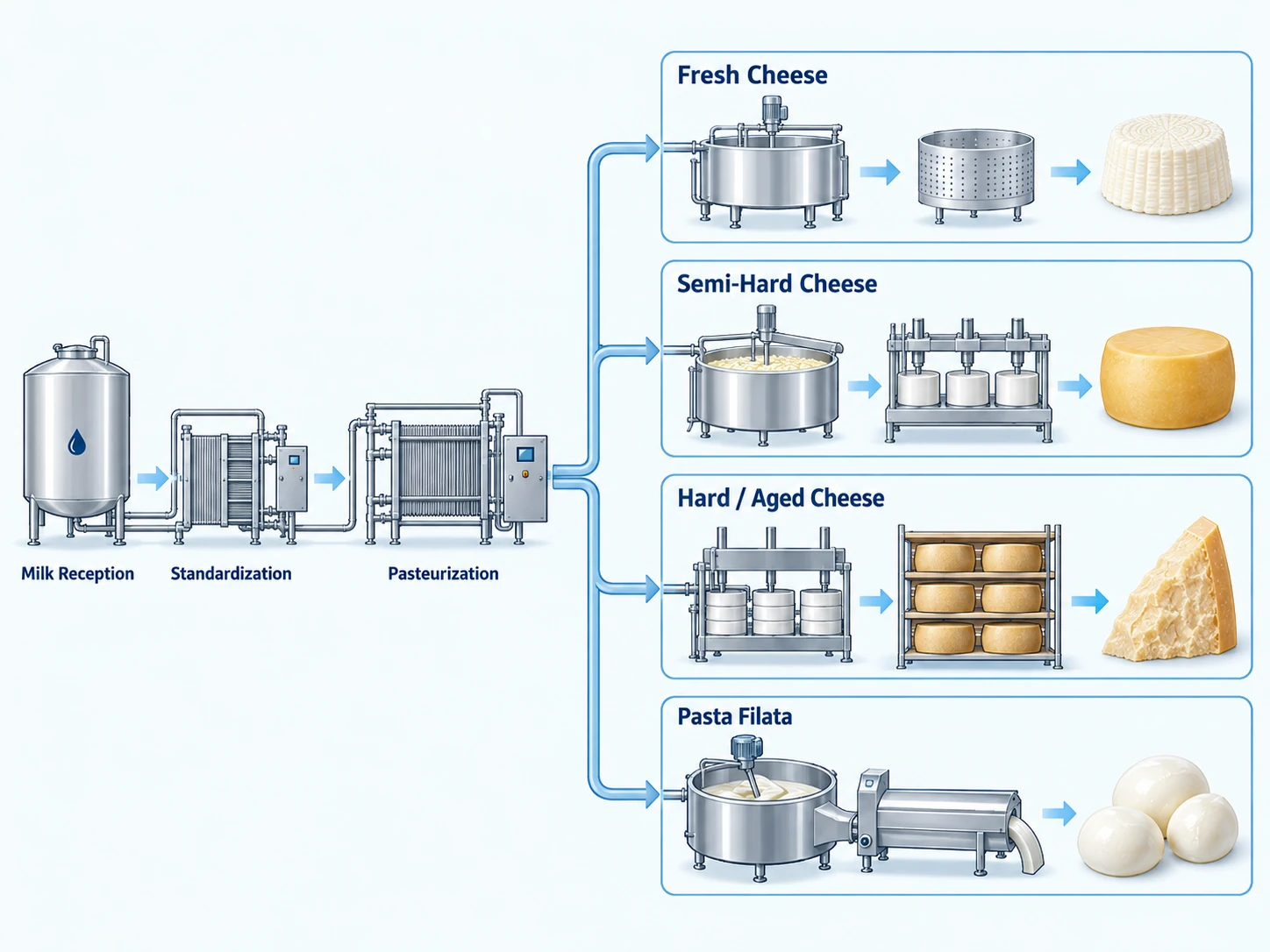
Combine shared milk processing with dedicated modules for fresh, semi-hard, hard and Pasta Filata cheeses.

CHEESE PRODUCTION SOLUTIONS
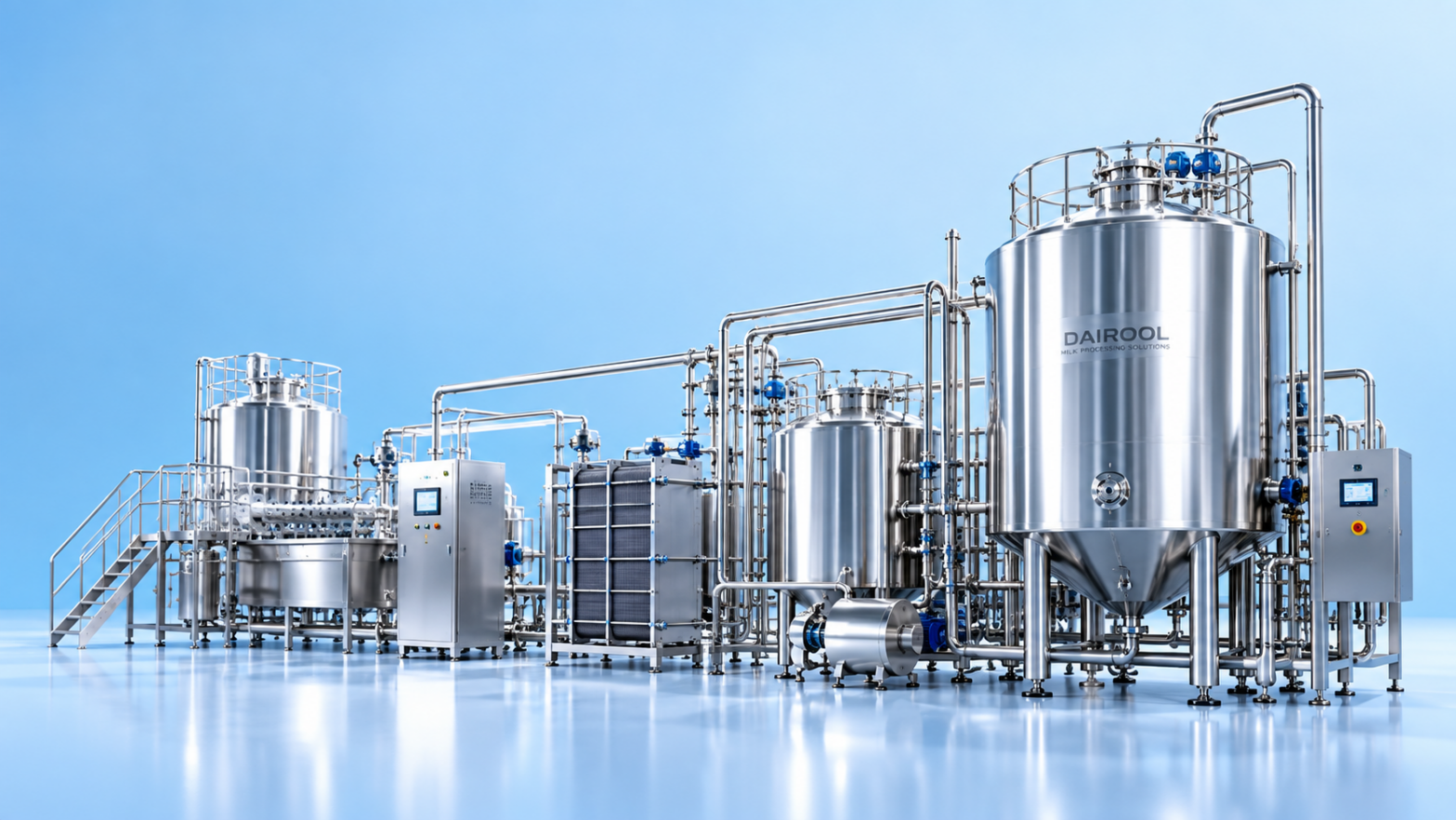
From milk to finished cheese products.
Flexible production solutions designed around your cheese type, capacity and production goals.
CHEESE PRODUCTION SOLUTIONS

Cottage Cheese · Tvorog · Fresh Cheese
Gentle curd handling and precise moisture control for fresh cheese with the texture and quality your product requires.
Explore Solutions →
Gouda · Edam · Caciotta · Montasio
Controlled curd making, whey drainage, forming, pressing, brining and ripening for consistent quality.
Explore Solutions →
Parmesan · Manchego · Aged Cheese
Designed for lower moisture, stronger pressing and long ripening with stable process control.
Explore Solutions →
Mozzarella · Suluguni · Provolone
A distinctive process route with acidification, heating, stretching and forming to achieve the required structure and functionality.
Explore Solutions →Fresh Cheese · Semi-hard Cheese · Hard Cheese · Pasta Filata
Produce different cheese varieties from the same milk supply — from fresh cheese to semi-hard and hard cheese.
Explore Solutions →
OUR ADVANTAGES
Combine shared milk processing with dedicated modules for fresh, semi-hard, hard and Pasta Filata cheeses.
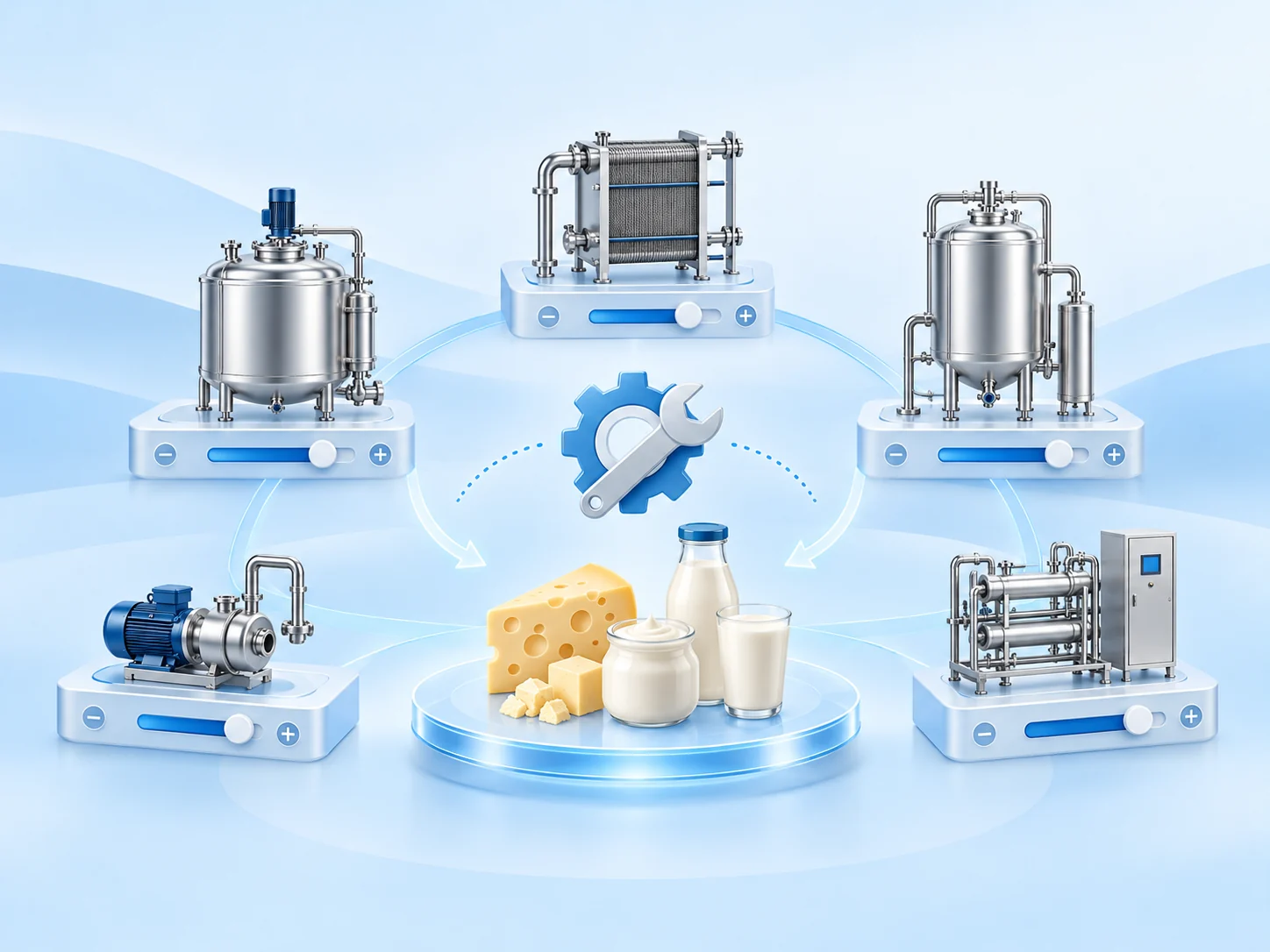
Balance daily production with smaller batches for different recipes, specialty cheeses and new product development.
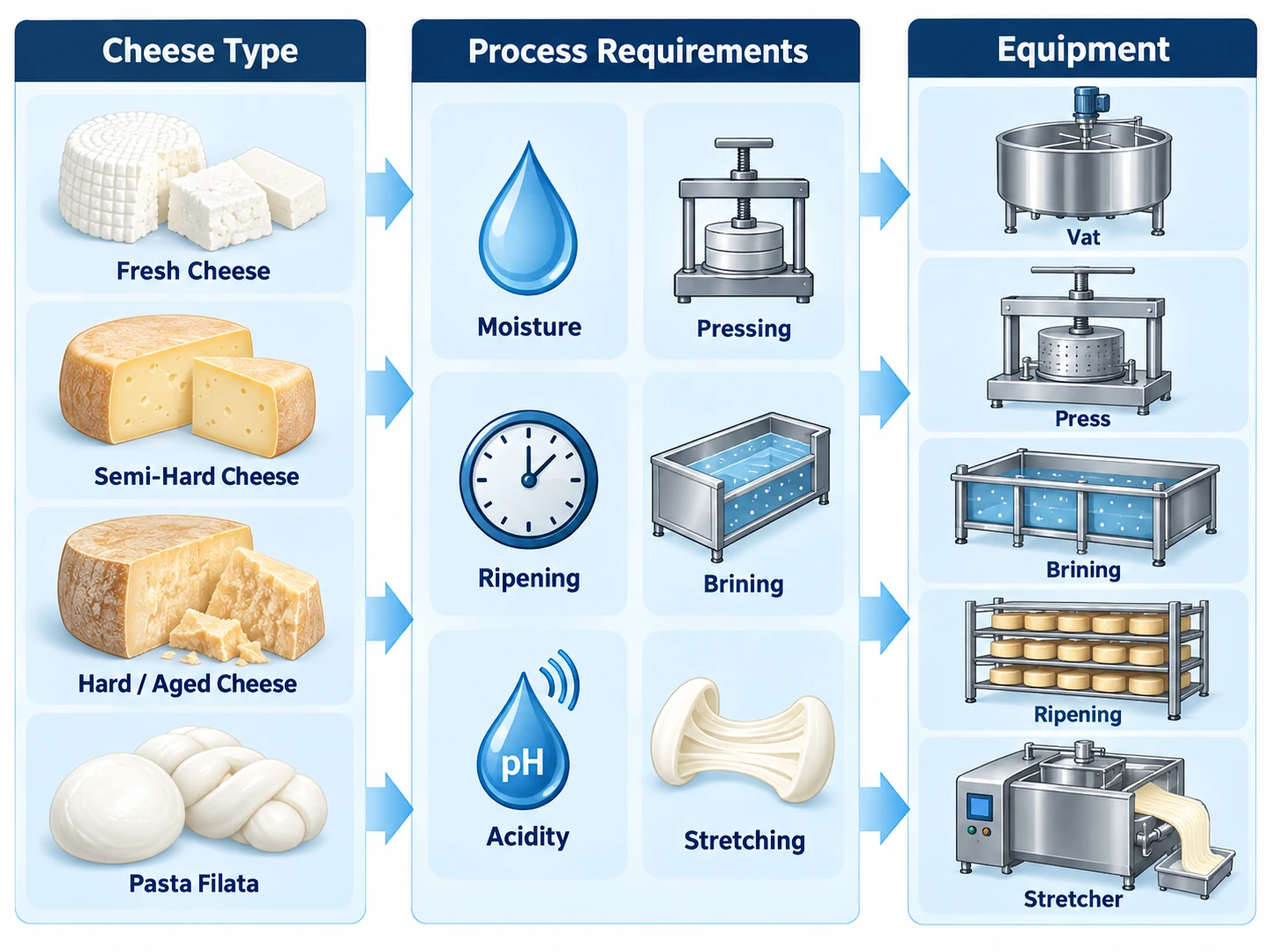
Define cheese type, moisture, ripening and forming requirements first — then configure the right equipment around the process.
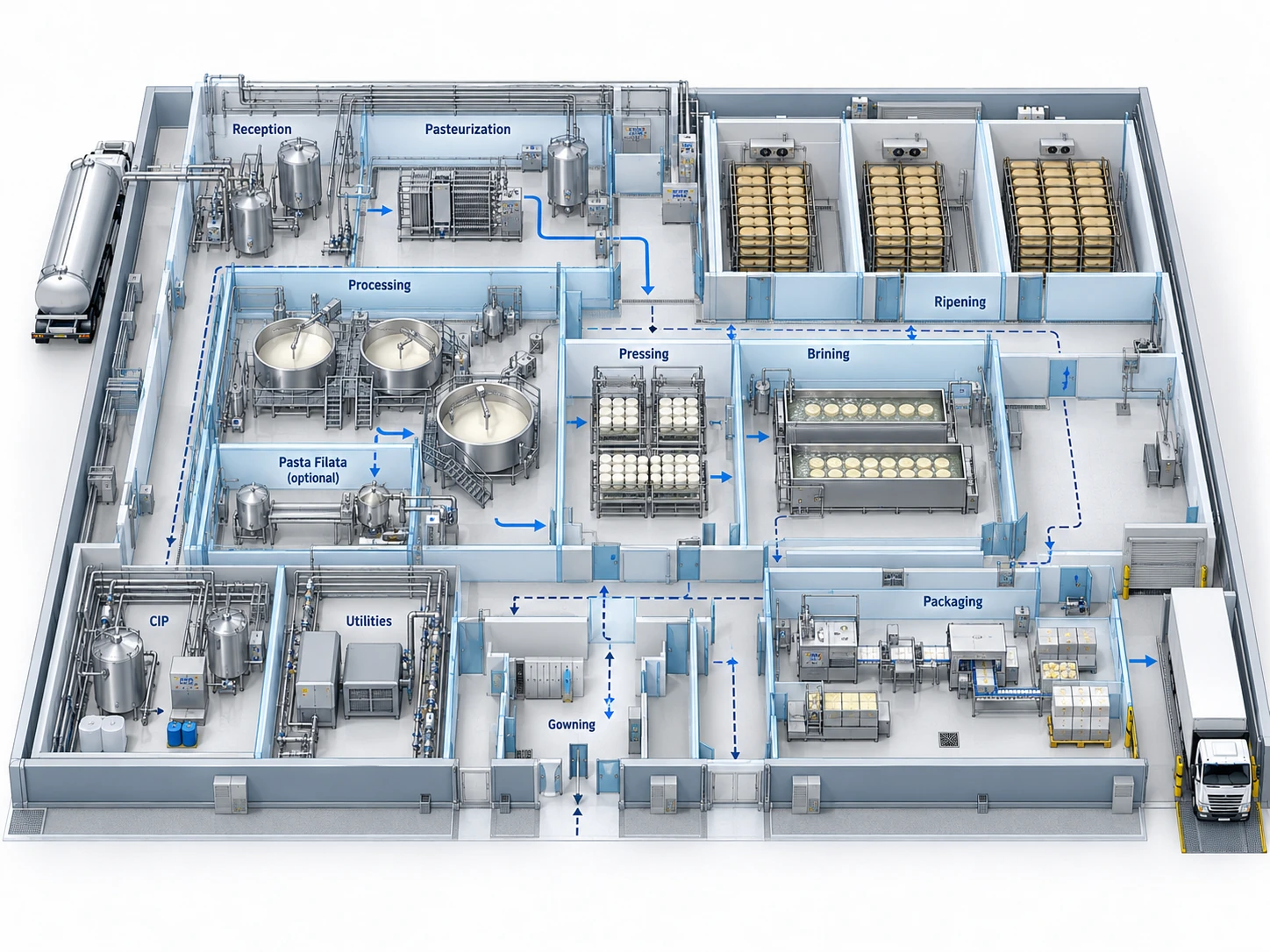
Coordinate process flow, equipment, ripening areas, utilities, hygiene and factory layout around the actual project conditions.
CAPACITY SELECTION
Not sure? Tell us your milk supply and target cheese output.
Find My Production Solution →03HOW CHEESE IS MADE
SHARED MILK PREPARATION STEPS

Receive, inspect and store milk under controlled conditions to maintain quality before processing.
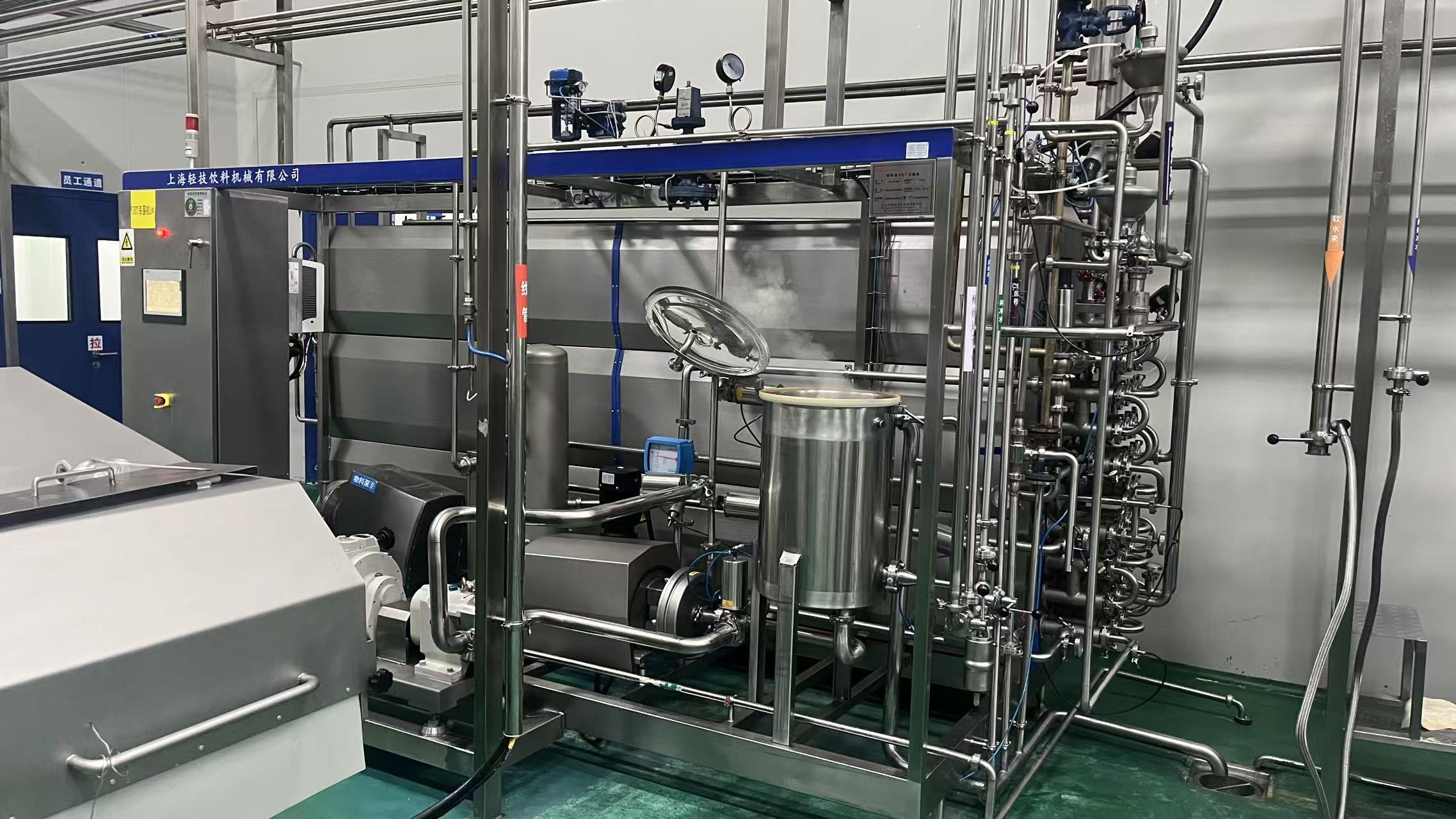
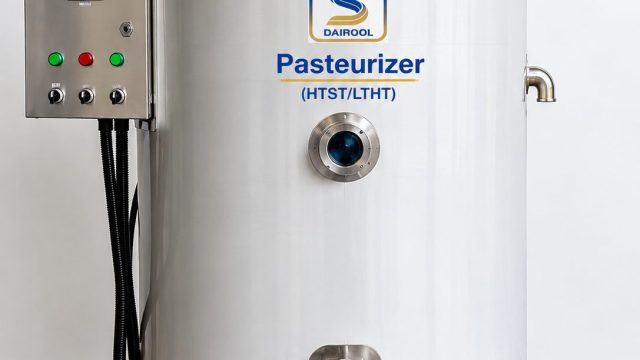
Apply suitable milk heat treatment according to the cheese variety, milk quality and applicable food-safety requirements.
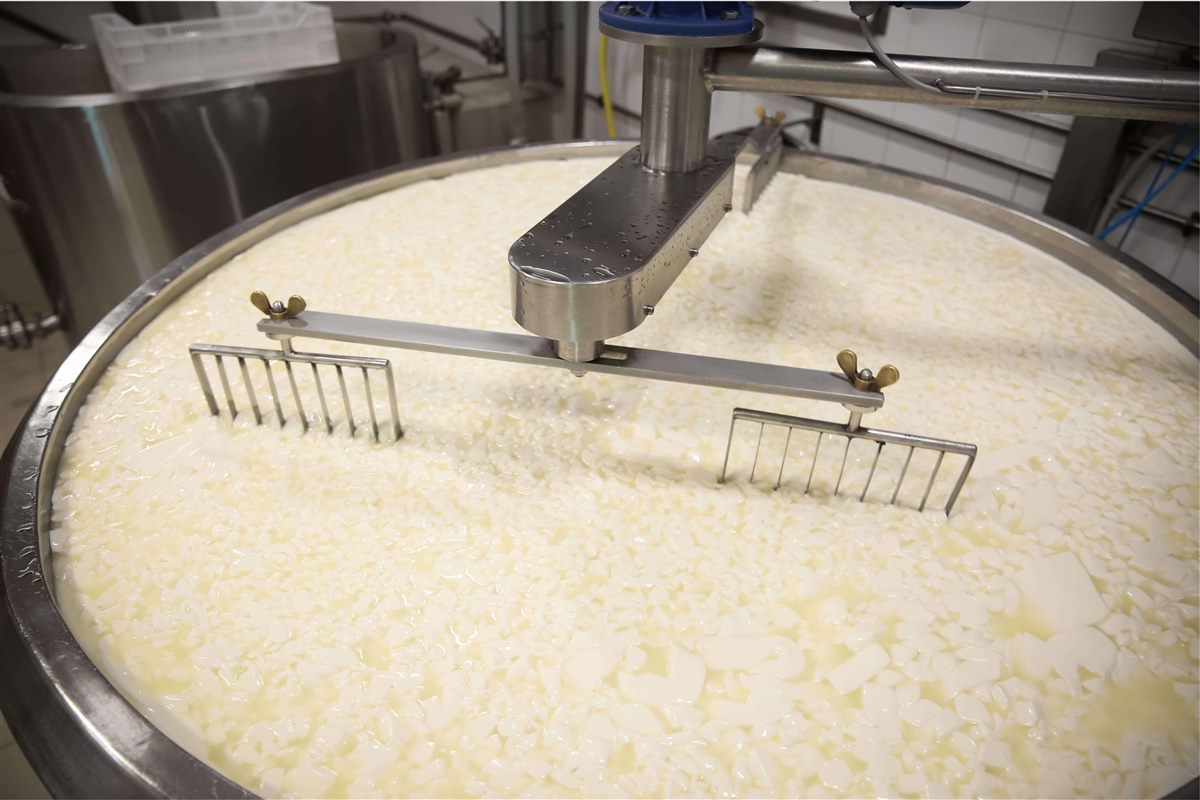
Form curd through controlled acidification, rennet coagulation or a combination of both, depending on the cheese variety.
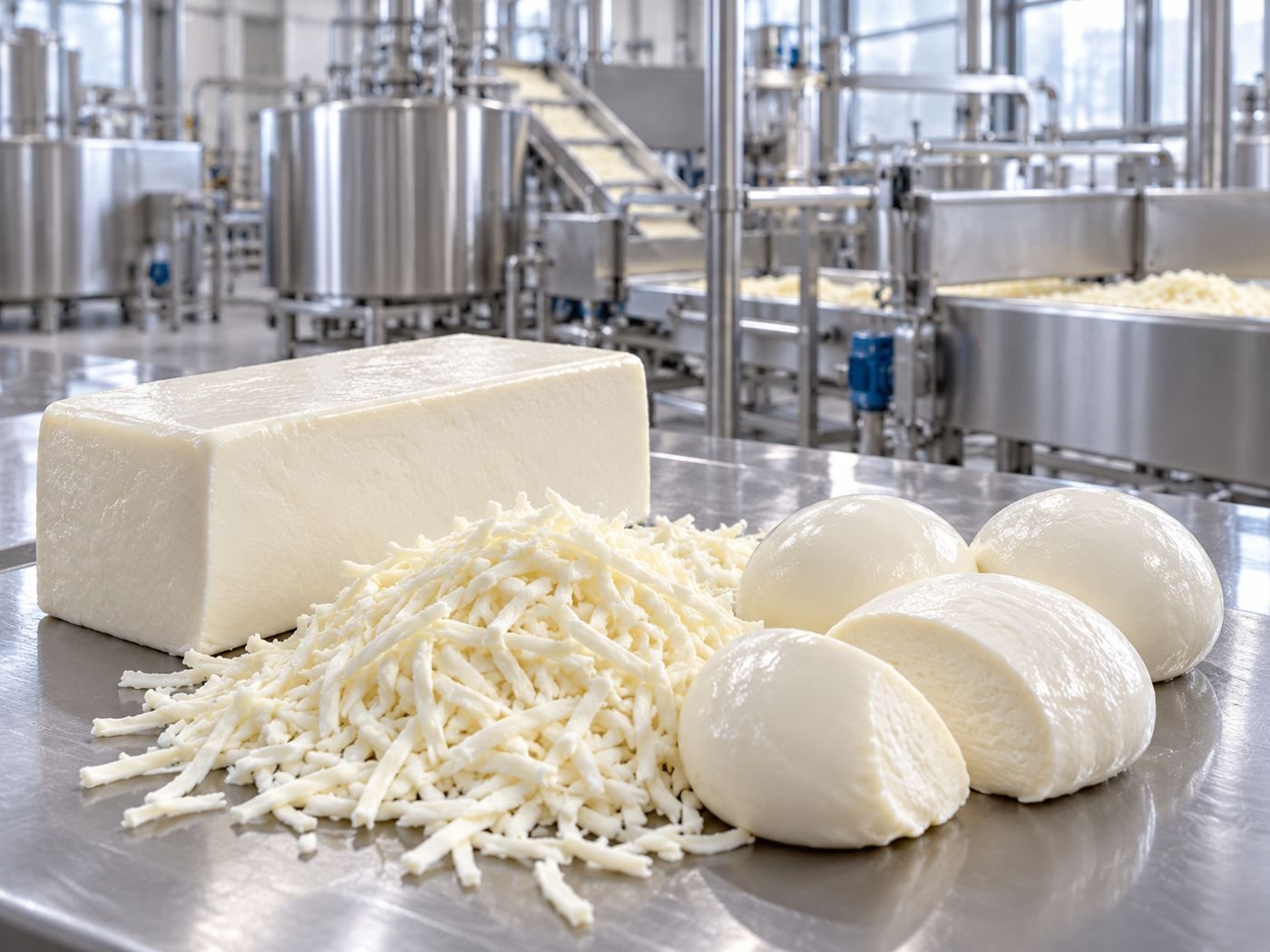
Cut, stir, heat and drain the curd as required to control moisture and develop the desired texture.
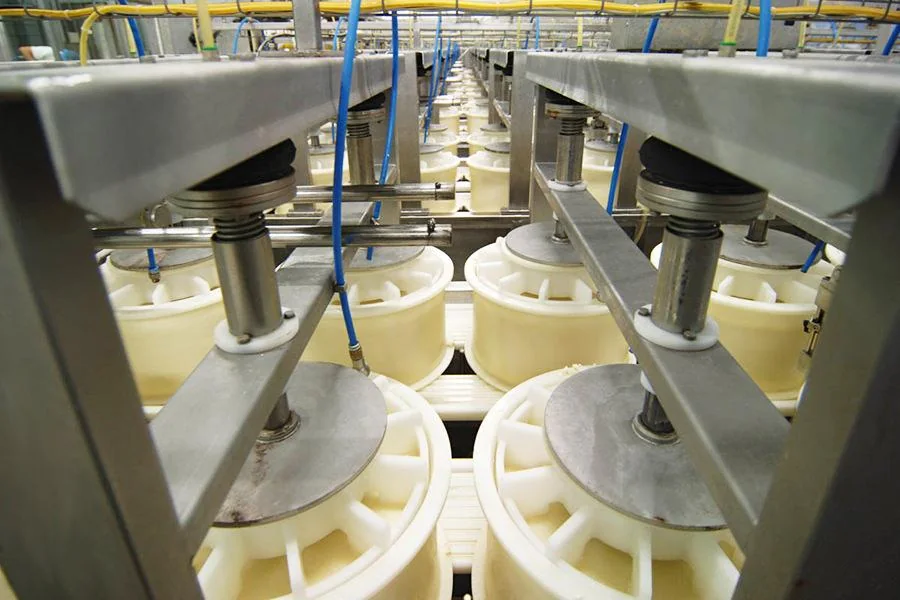
Consolidate the curd into a closed, firm texture, expel residual whey and form the cheese to the required shape.
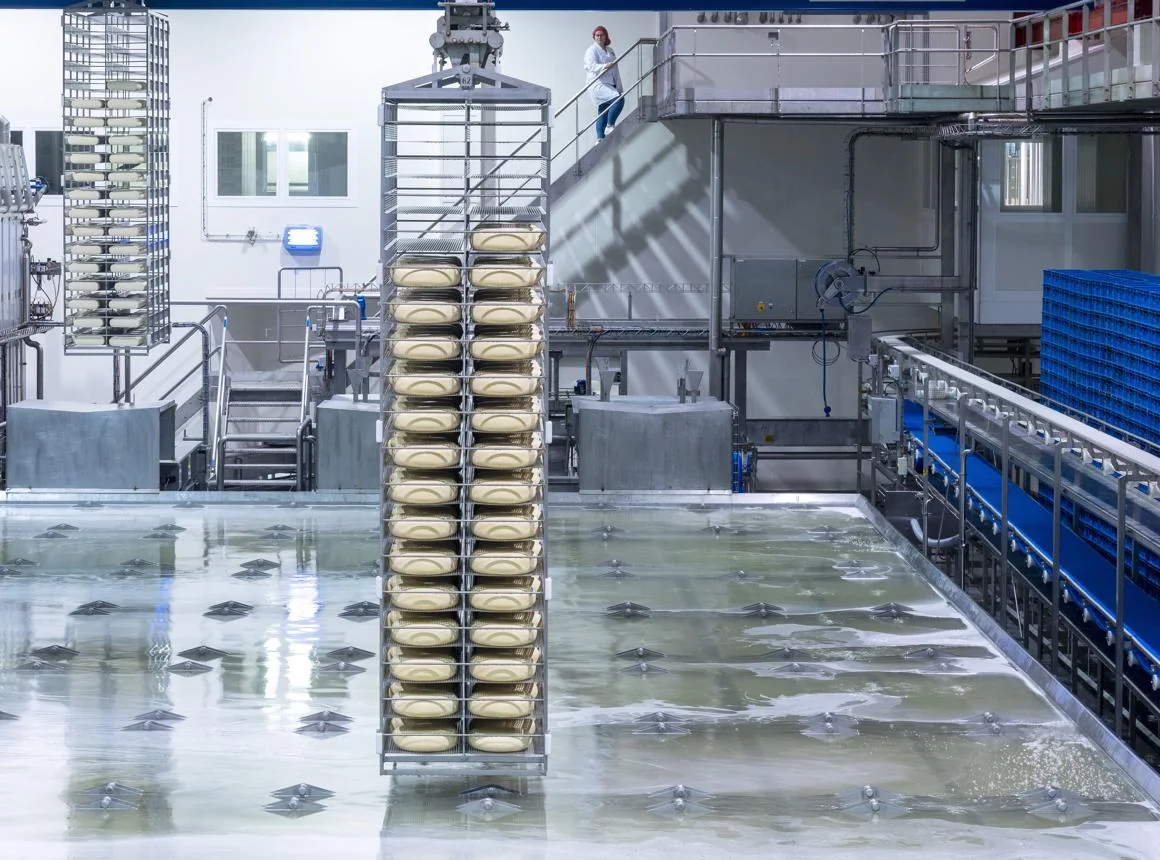
Add salt by brining or dry salting, as required by the variety, to develop flavor, help control moisture and support preservation.
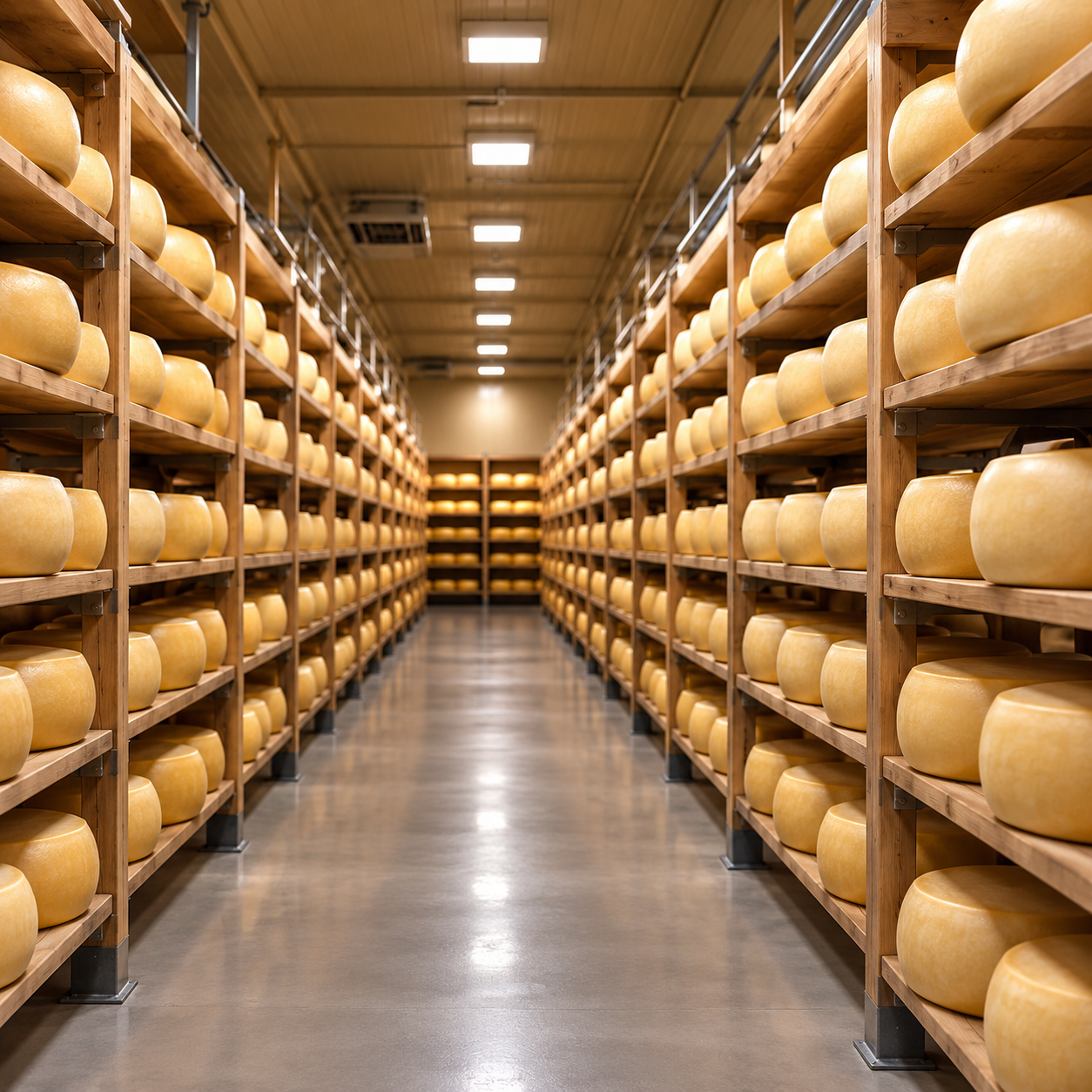
Mature under controlled temperature, humidity and time to develop flavor, texture and rind — conditions vary by cheese variety.
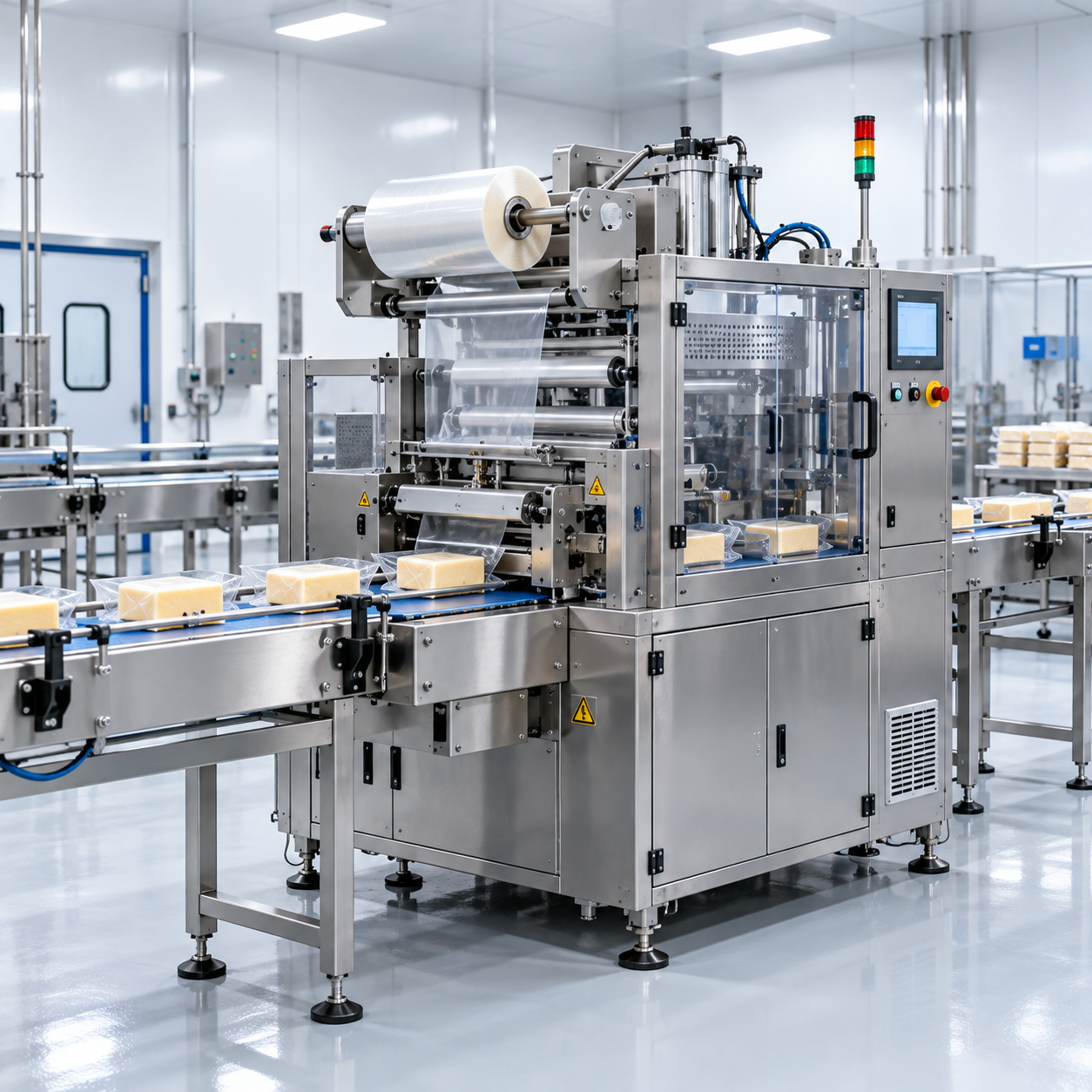
Package the matured cheese by cutting, wrapping or vacuum packing, according to the product and ripening method.
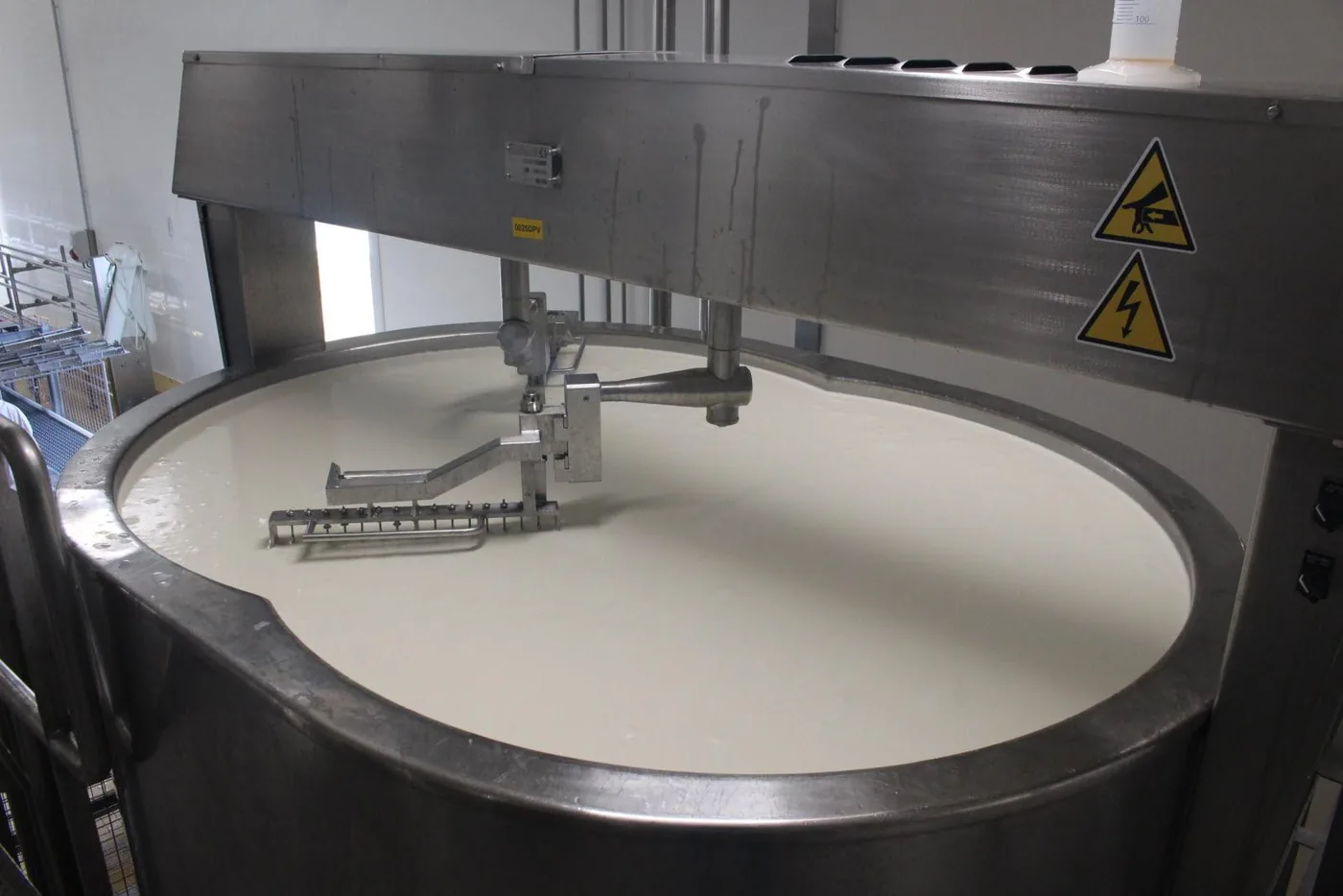
Allow the curd to reach the appropriate acidity before stretching. For mozzarella, a typical curd pH is around 5.0–5.4, depending on the recipe and acidification method.
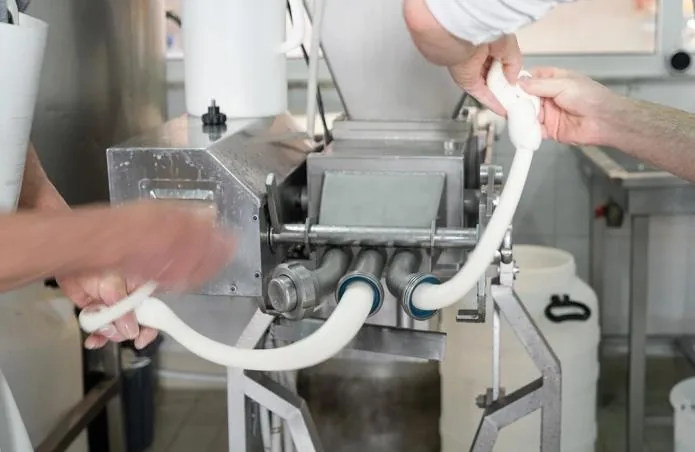
Heat and stretch the acidified curd to develop its characteristic texture, then form it into the required shapes.
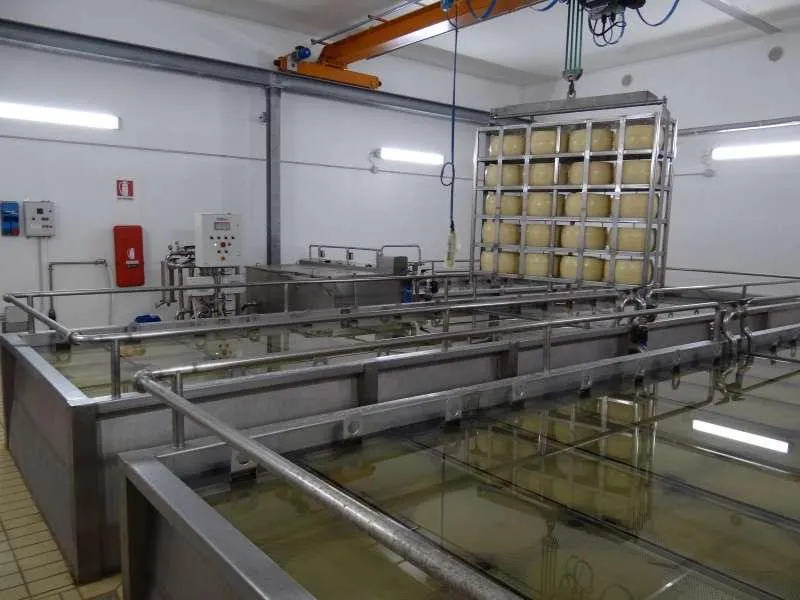
Cool the cheese to stabilize its shape and apply brining or other suitable salting methods as required by the product.
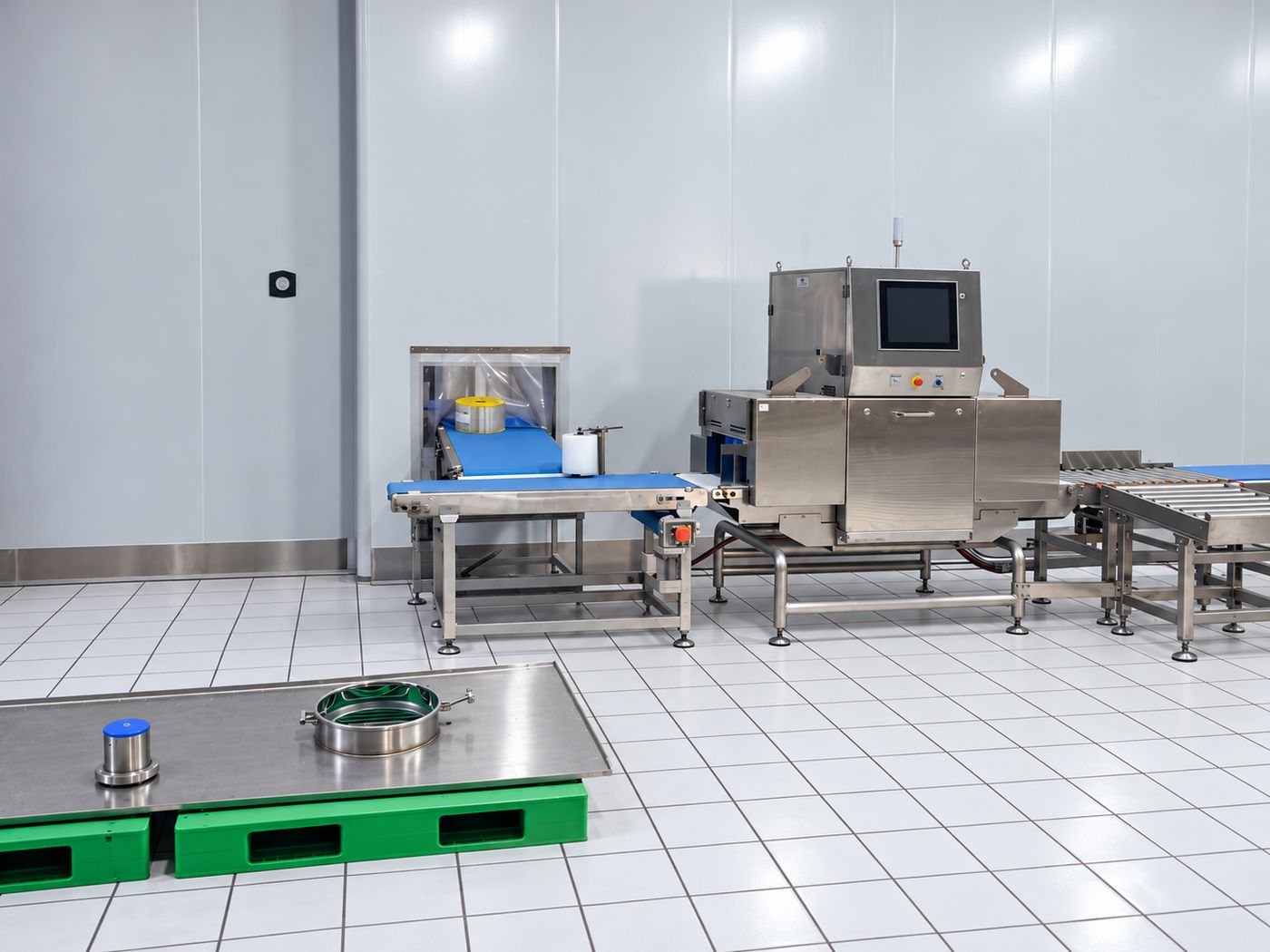
Prepare for distribution with hygienic packaging.
KEY PROCESS INSIGHTS
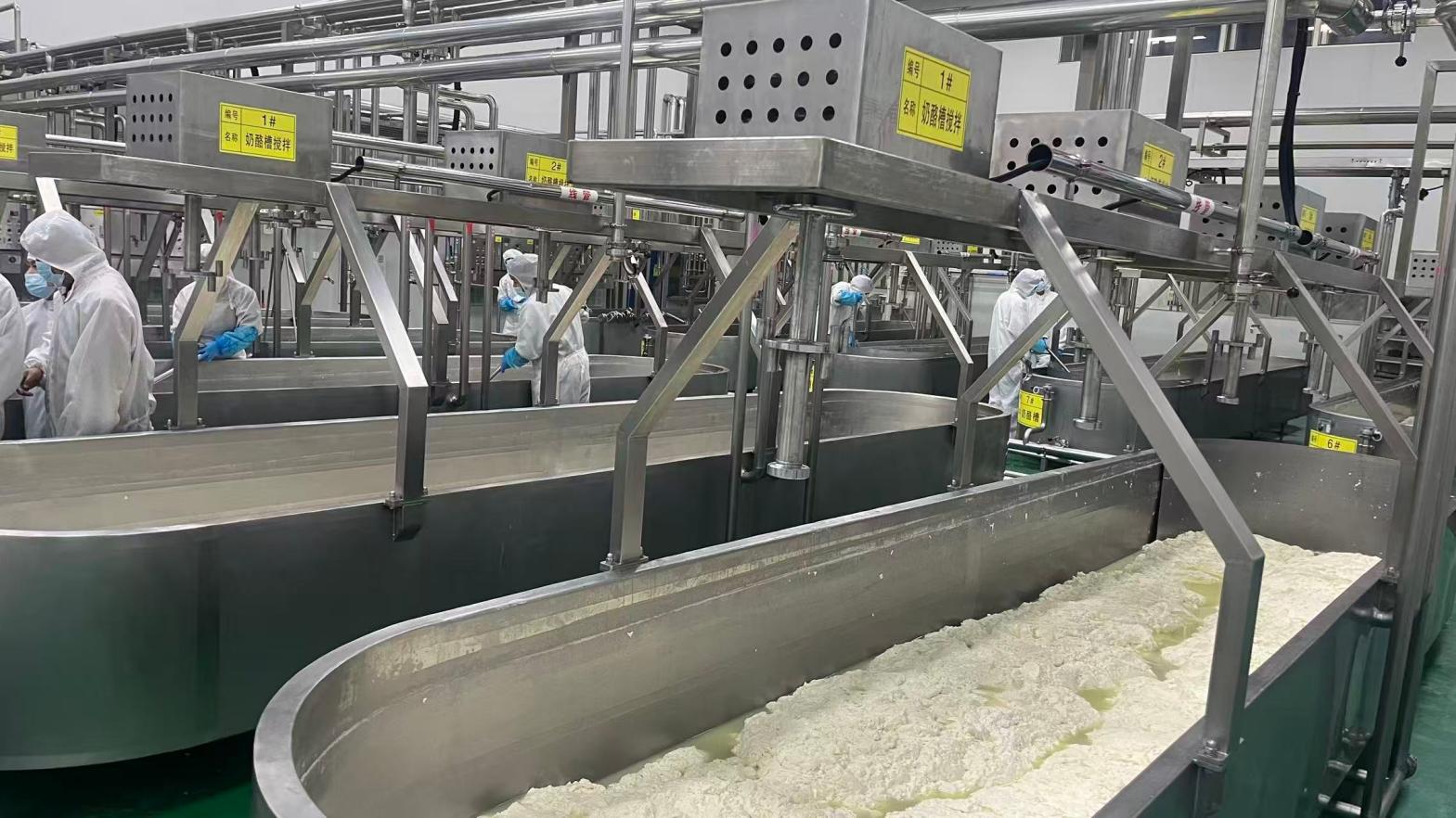
01Temperature · Acidification · Coagulation
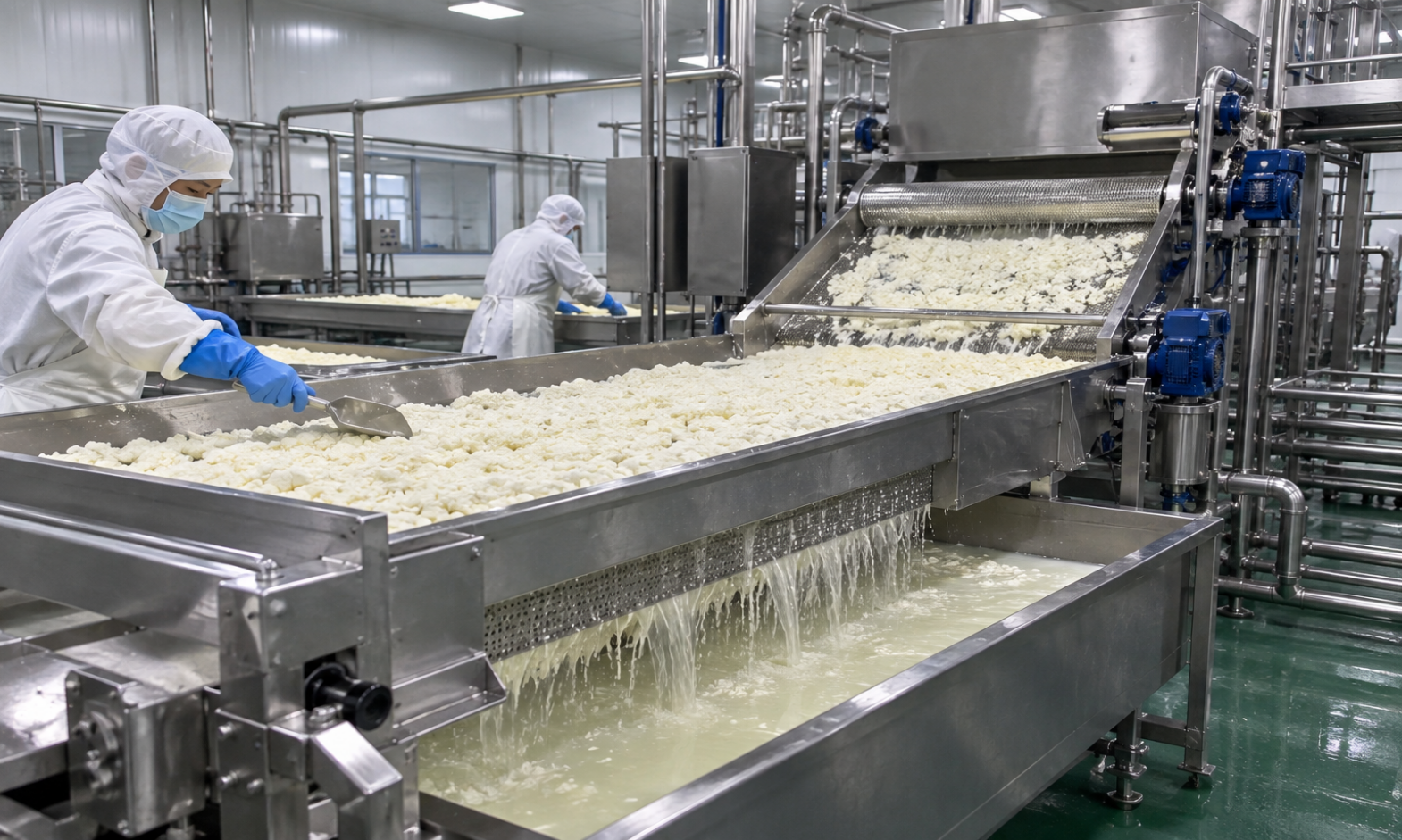
02CURD PROCESSING
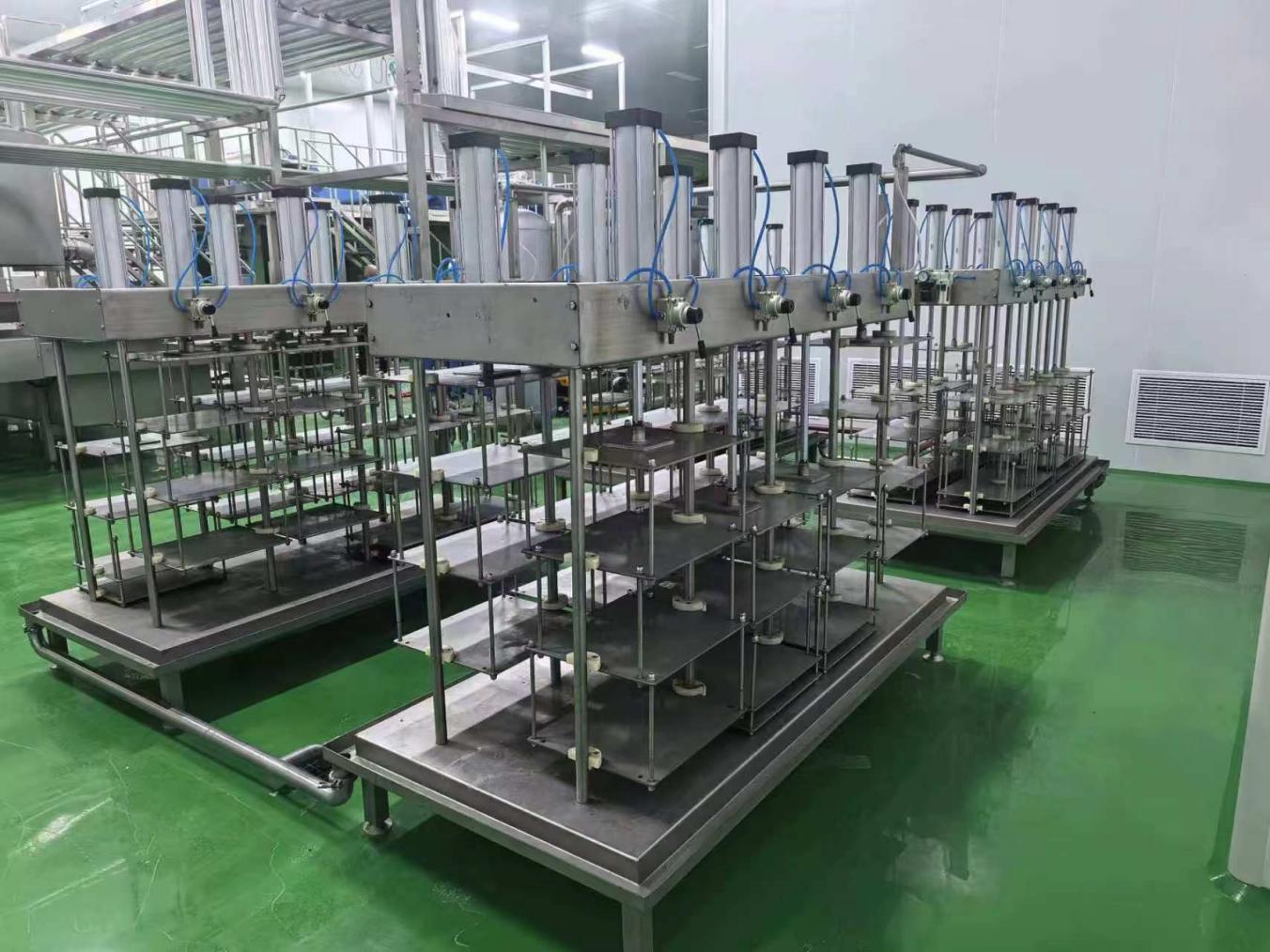
03PRESSING
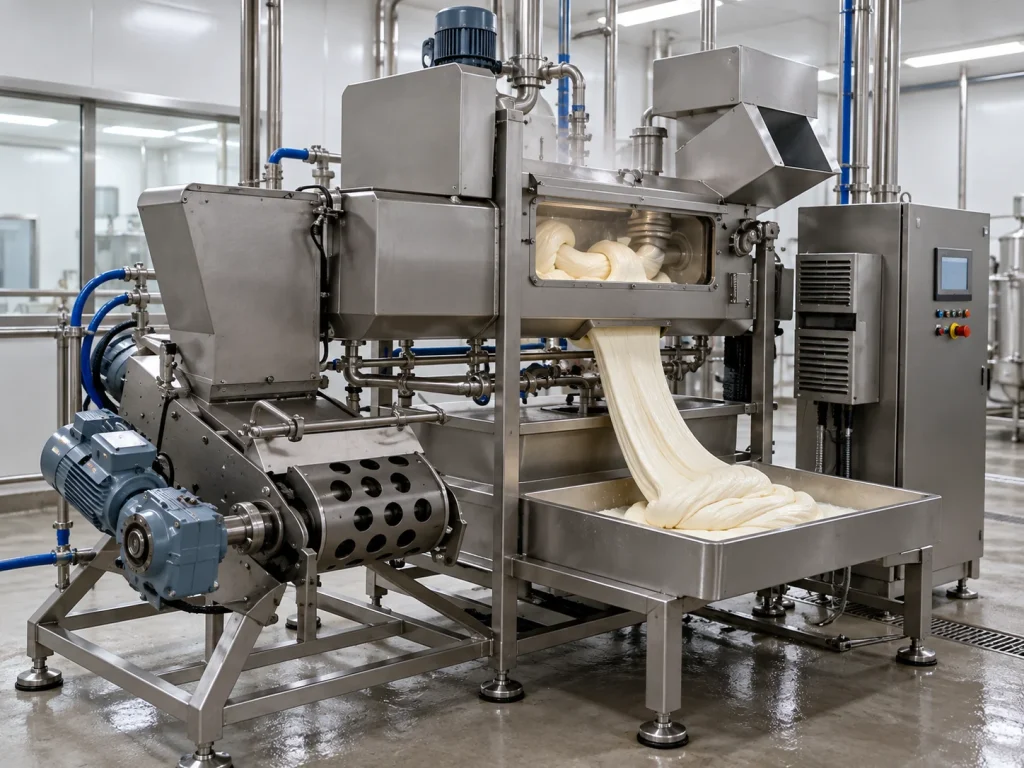
04HEATING & STRETCHING
REAL CHEESE PRODUCTION PROCESS
FROM PROCESS TO PRODUCTION
PROCESS FLOW DESIGN
Turning Your Requirements Into a Working Production System
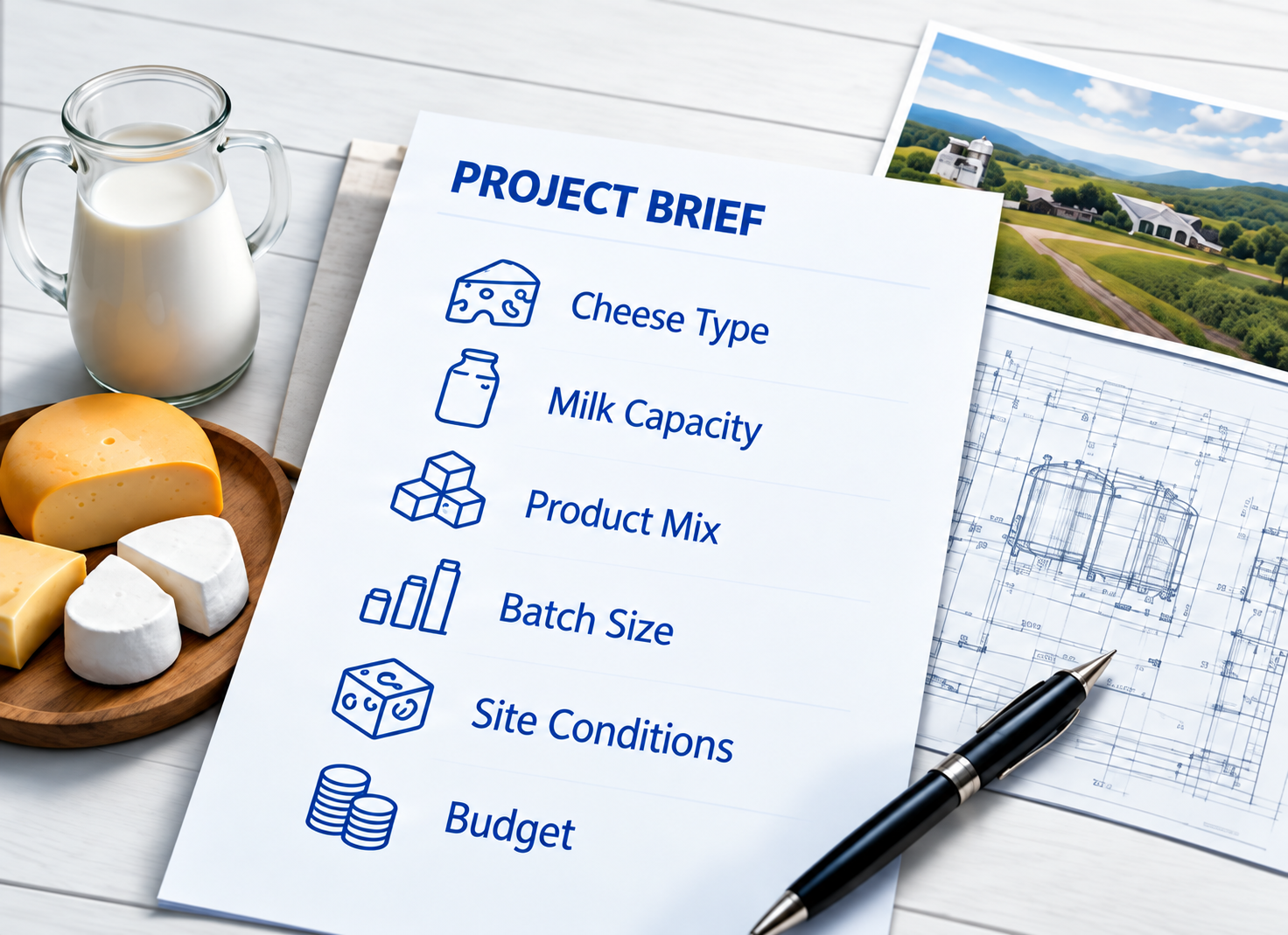
Tell us what you want to produce.
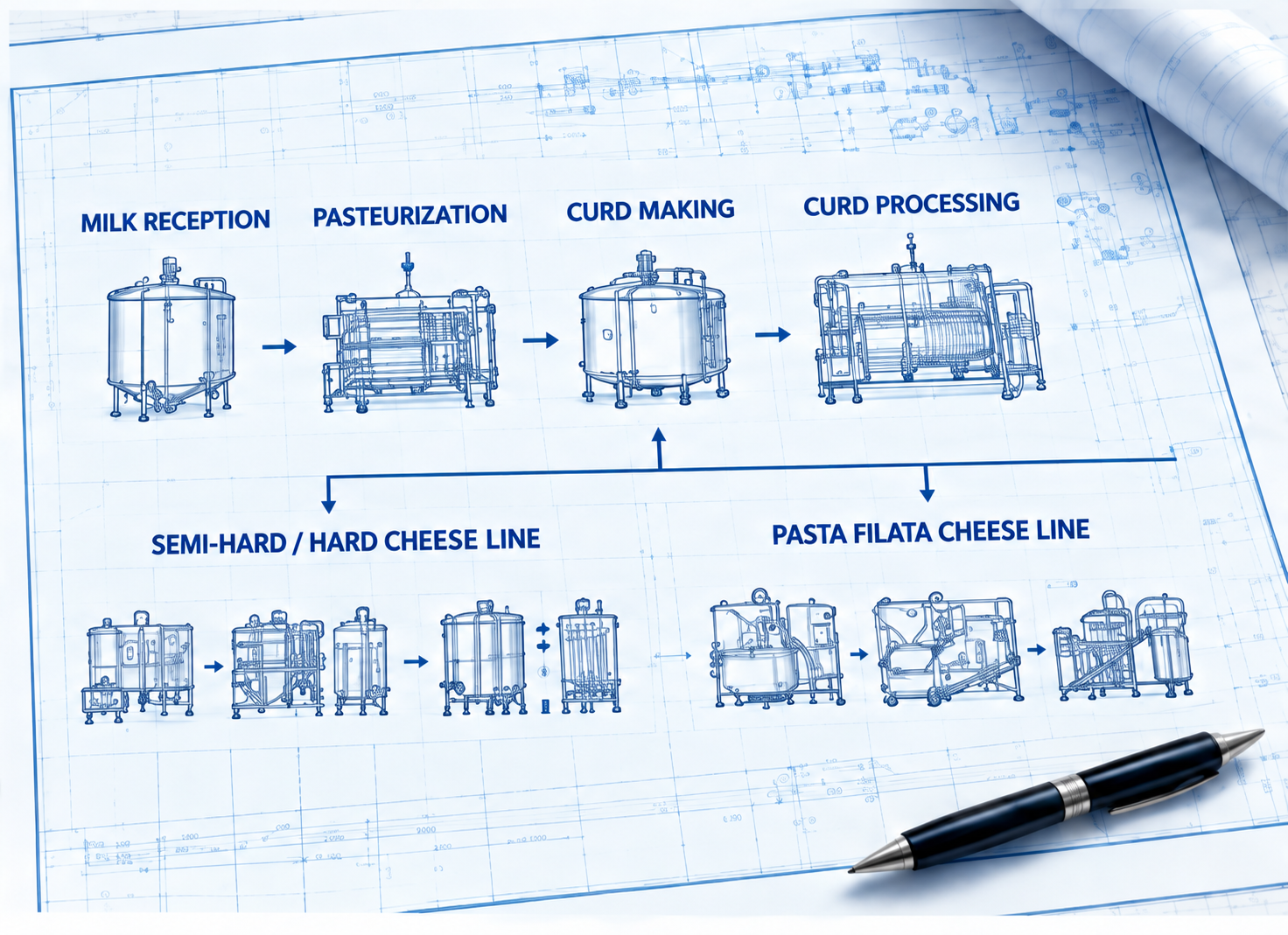
We design the process around your production.

Process, equipment and utilities become one system.

From concept design to a working factory.
Turn the Process Into a Working Factory
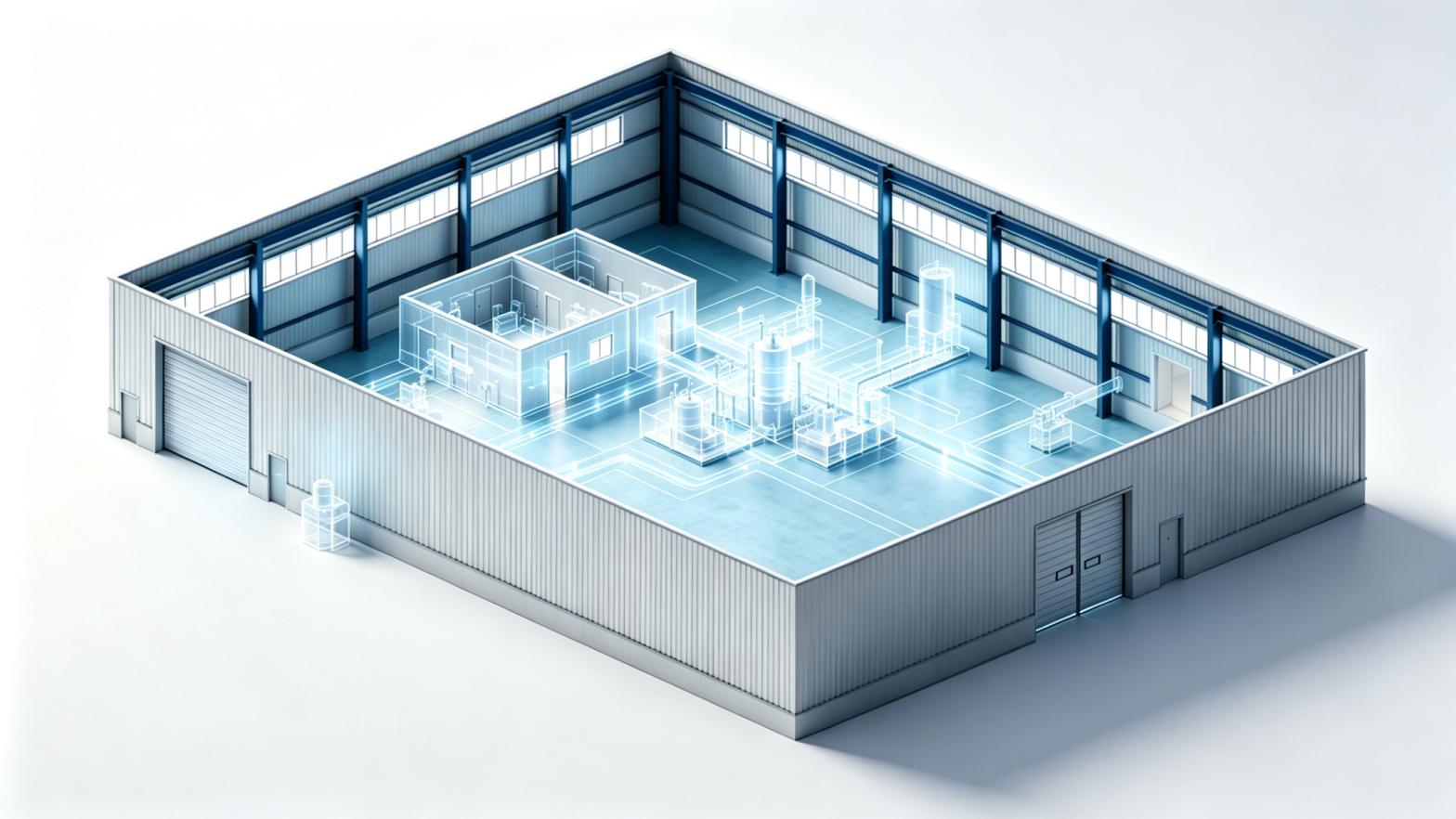
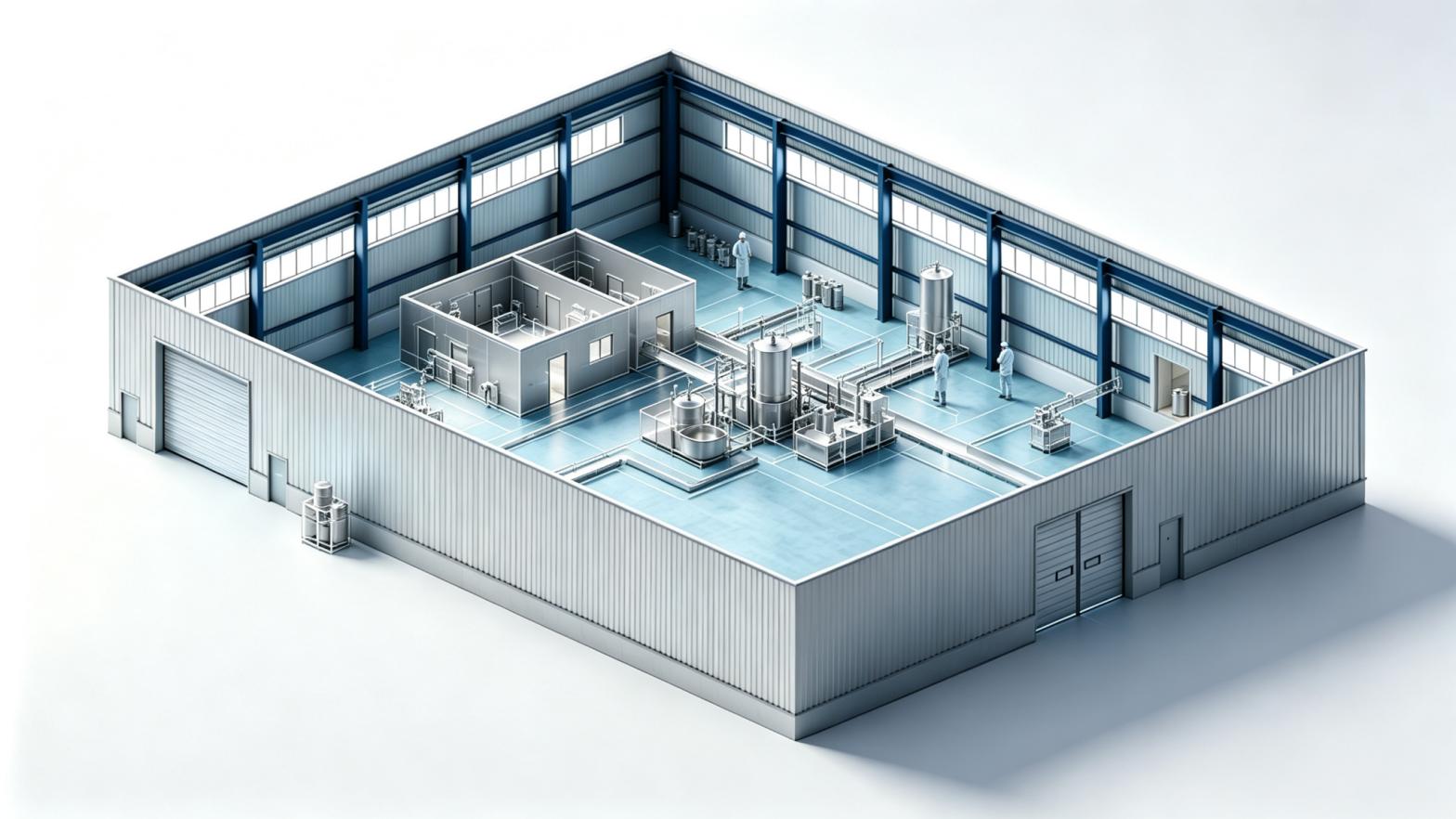
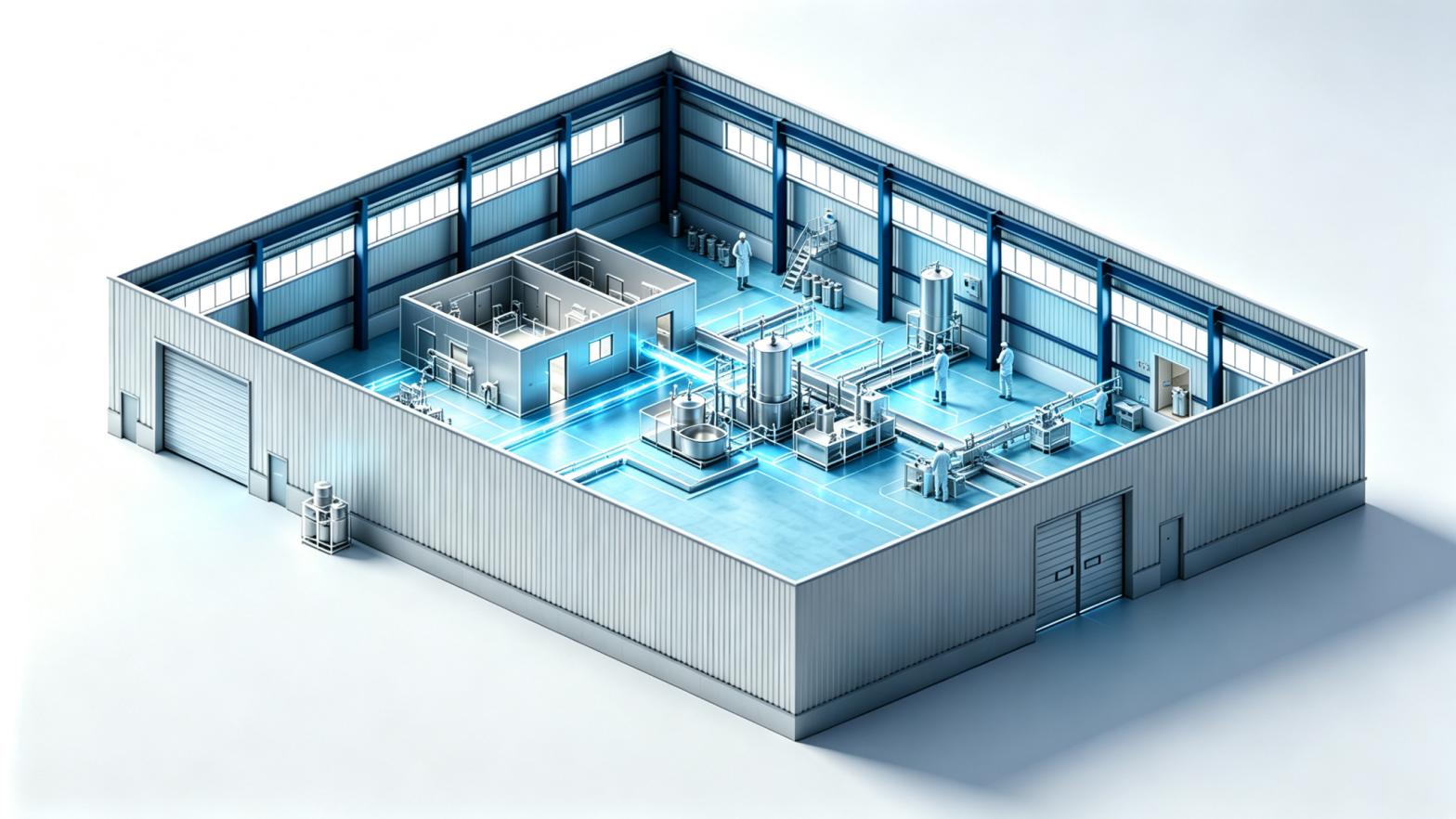
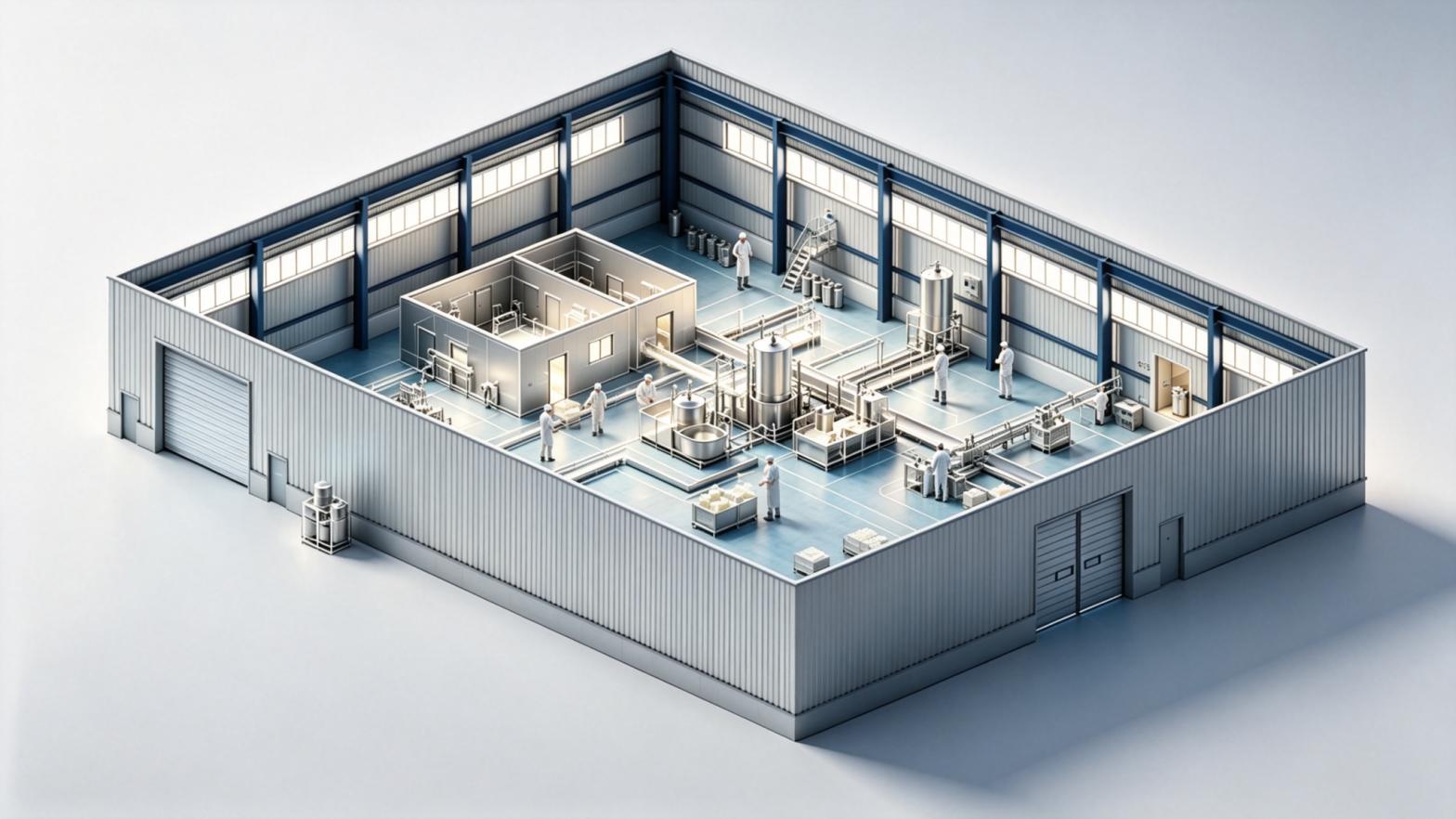
Equipment positioning and production areas are planned according to the actual building and process requirements.
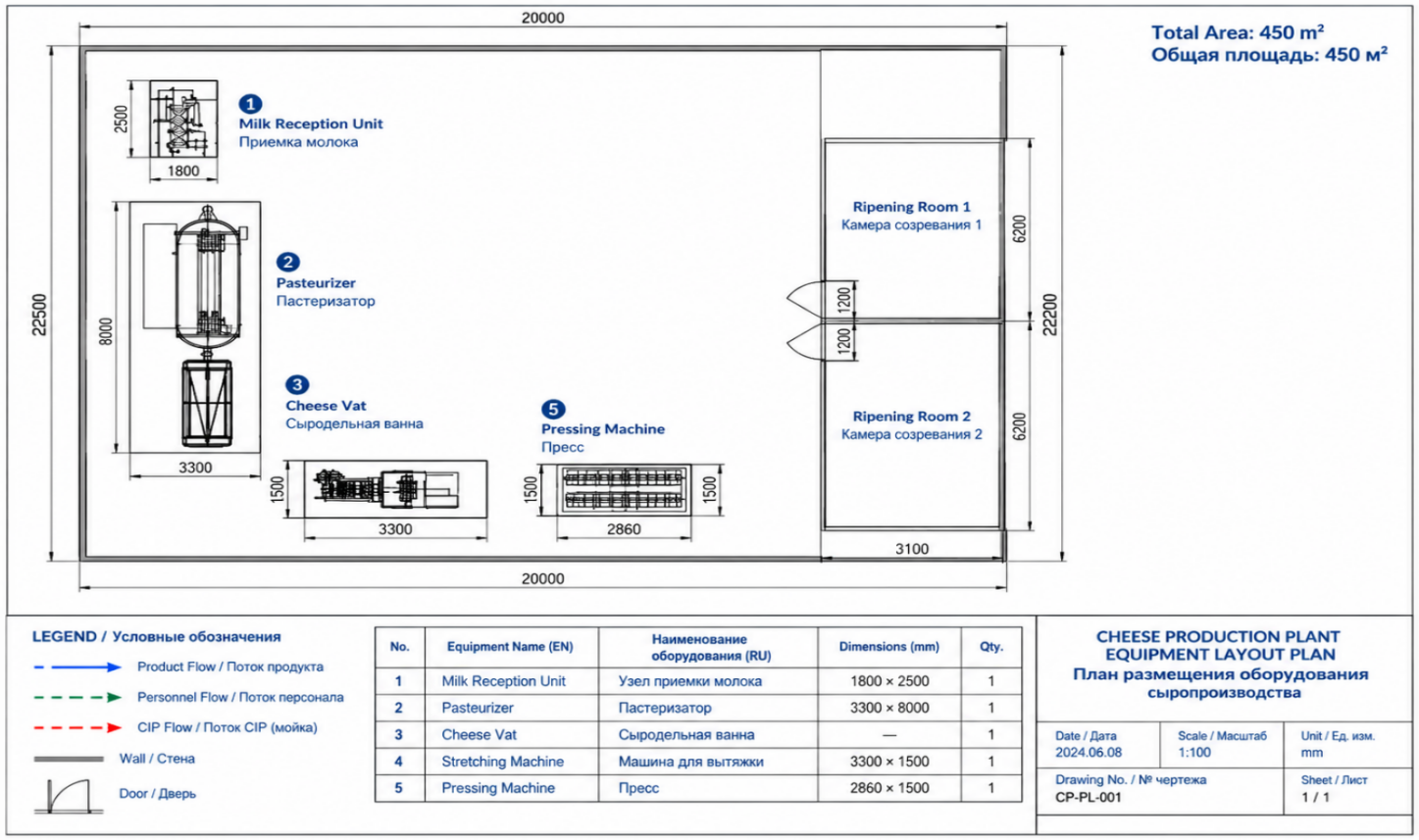 Open full layout ↗
Visualizing equipment placement, production zones and operational flow before implementation.
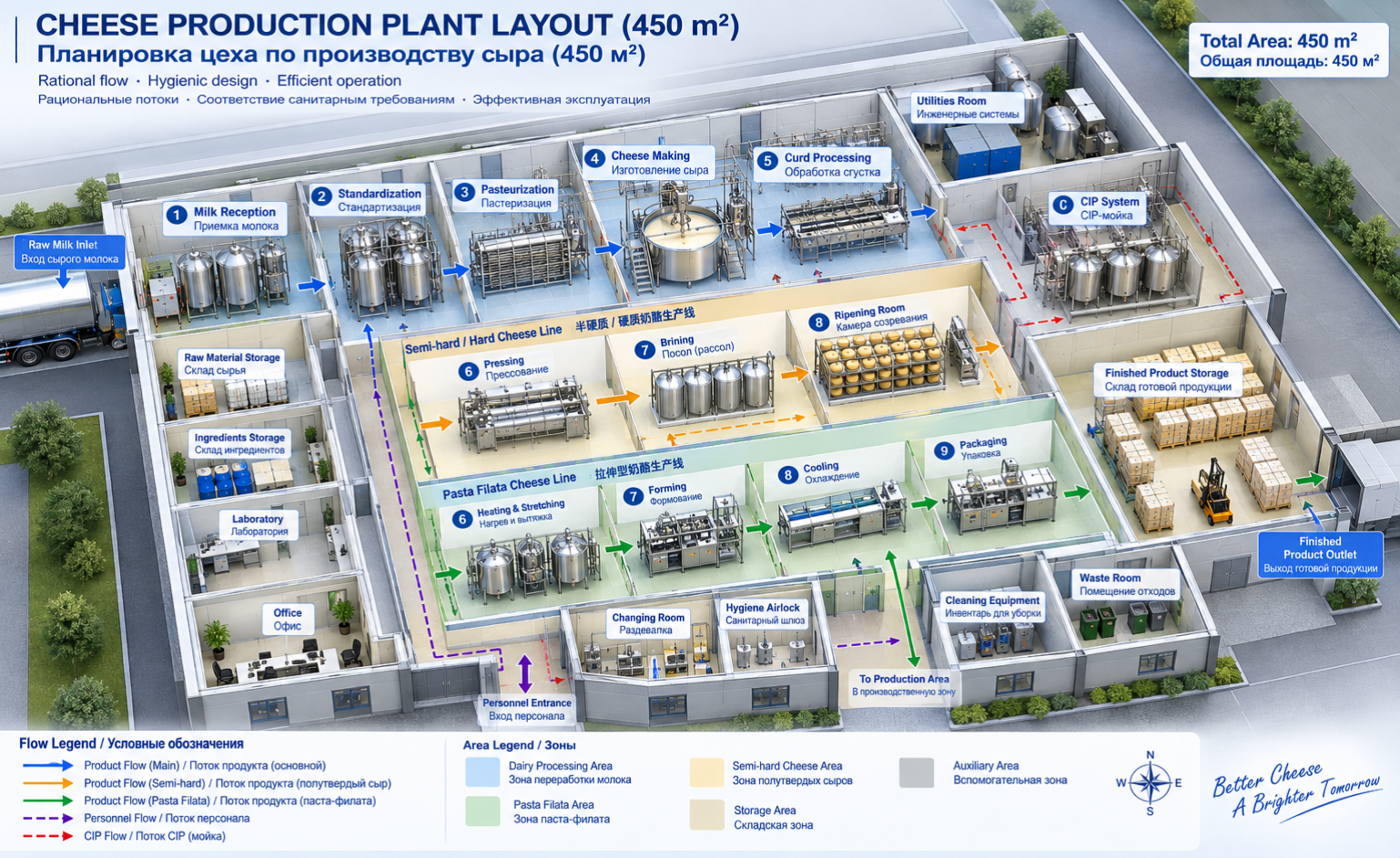 Open full layout ↗
From process flow to factory layout, every project is designed around how you actually produce.
FROM YOUR IDEA TO PRODUCTION
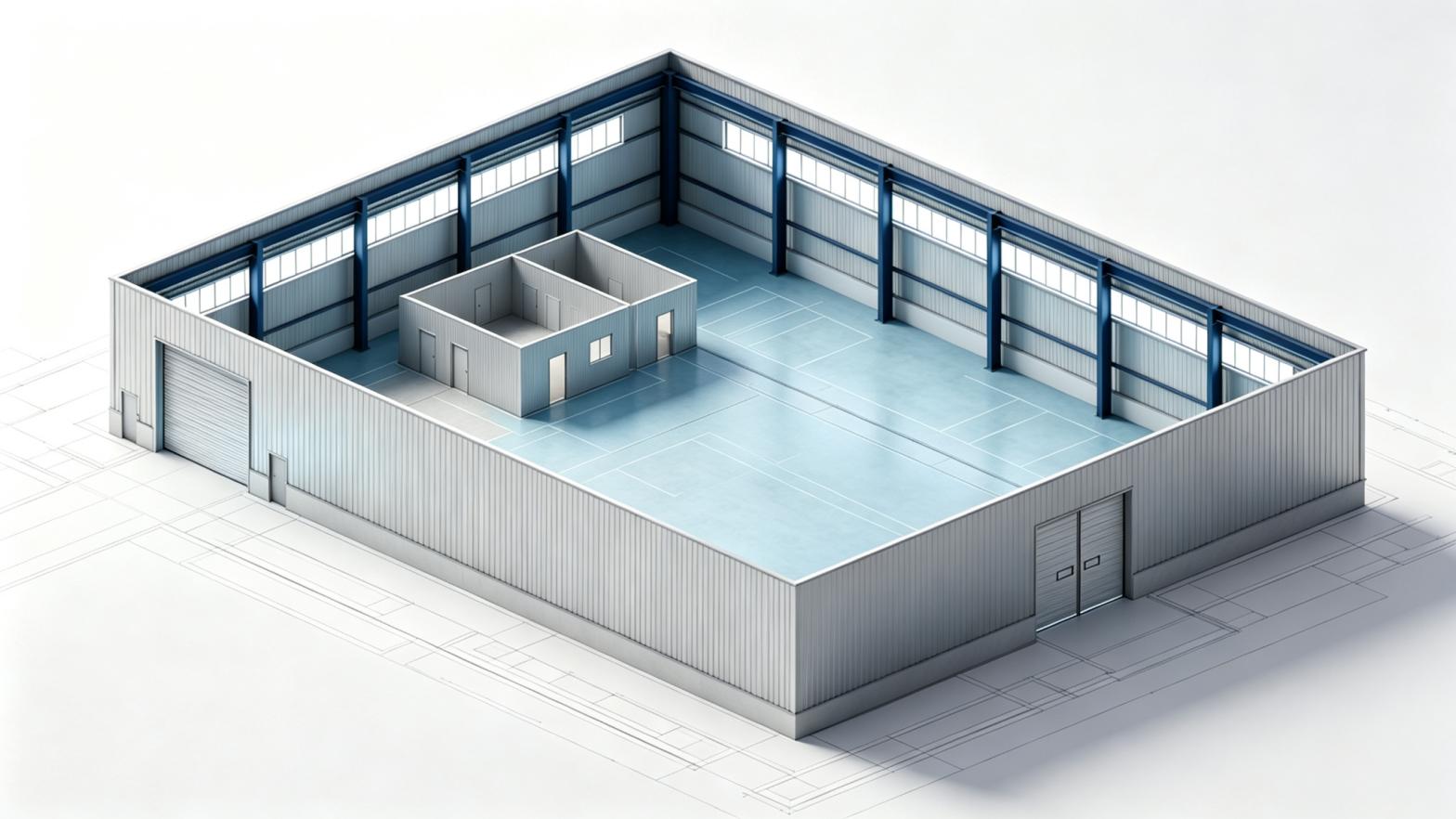
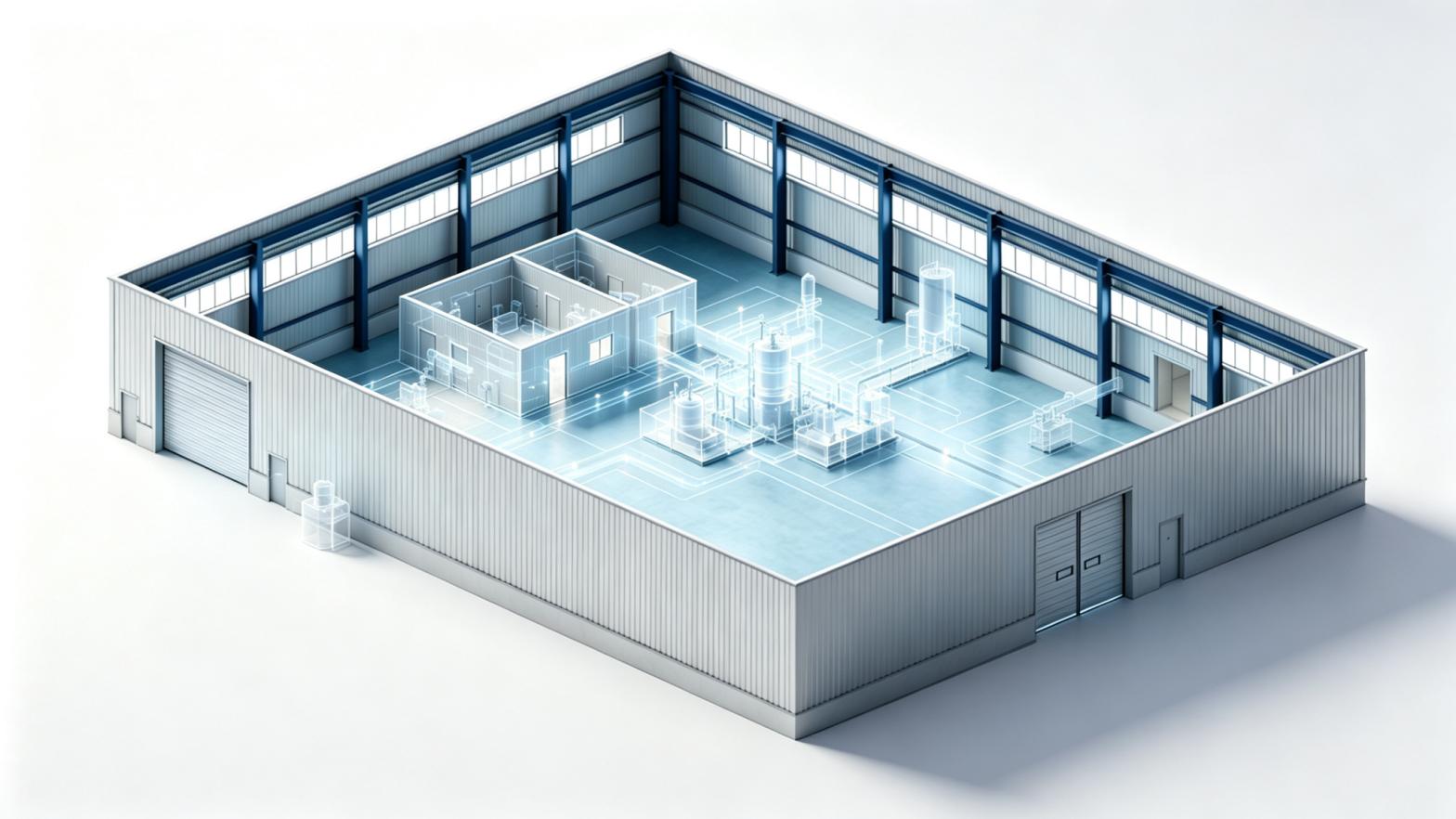
01 / 6
YOUR CHEESE PLANT IS READY
Yes. DAIROOL can develop a preliminary cheese plant layout based on your target products, production capacity, available building dimensions and process requirements. The layout can coordinate process flow, equipment placement, ripening areas, CIP, utilities, personnel movement and material flow to support practical plant implementation.
It depends on the cheese type. Fresh cheese usually does not require long-term ripening, while semi-hard and hard cheeses normally require dedicated ripening areas with controlled temperature, humidity and storage time. The number and size of ripening rooms should be planned according to product type, production volume and ripening cycle.
The required factory area depends on daily milk volume, cheese varieties, batch size, processing equipment, ripening rooms, packaging areas, cold storage, CIP, utilities and internal material flow. Hard and aged cheese production normally requires more space because of ripening and storage requirements. Factory size should therefore be determined from the complete process and production plan rather than milk volume alone.
A typical cheese production line may include milk reception and storage, pasteurization, cheese vats, curd cutting and whey drainage equipment, forming, pressing, brining, ripening, packaging and CIP systems. Pasta Filata production may also require dedicated acidification, hot-water cooking and stretching equipment.
Yes. The line can be designed with a main production system for regular daily output and smaller batch equipment or dedicated modules for specialty cheeses, recipe trials or new product development. This allows the plant to maintain stable production while keeping flexibility for smaller-volume products.
Cheese plant capacity should not be determined by raw milk volume alone. It also depends on cheese yield, batch size, production hours, cheese type, processing time, ripening requirements and downstream equipment capacity. A practical design should balance daily milk supply with the actual production schedule and target product mix.
Prepare your daily milk volume, milking schedule, collection frequency, available installation space, and utility conditions so the tank capacity and cooling configuration can be evaluated correctly.
OUR EXPERTISE