Flexible Product Range
Adapt your line to milk, dairy drinks, yoghurt and cream products.

LIQUID DAIRY PRODUCTION SOLUTIONS
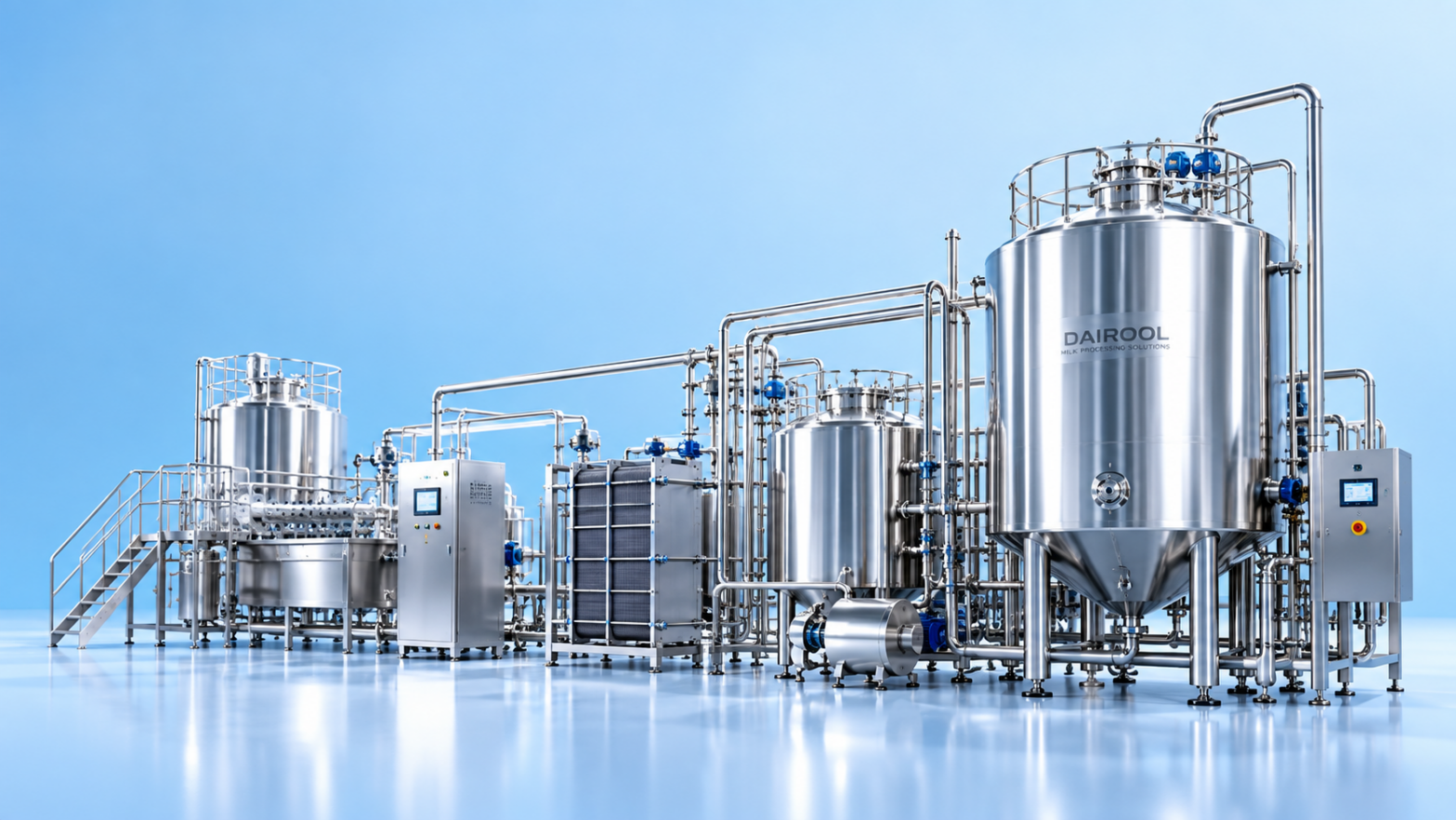
From raw milk to market-ready liquid dairy products.
Flexible production solutions configured around your product range, capacity, shelf-life targets and market requirements.
LIQUID DAIRY PRODUCT RANGE
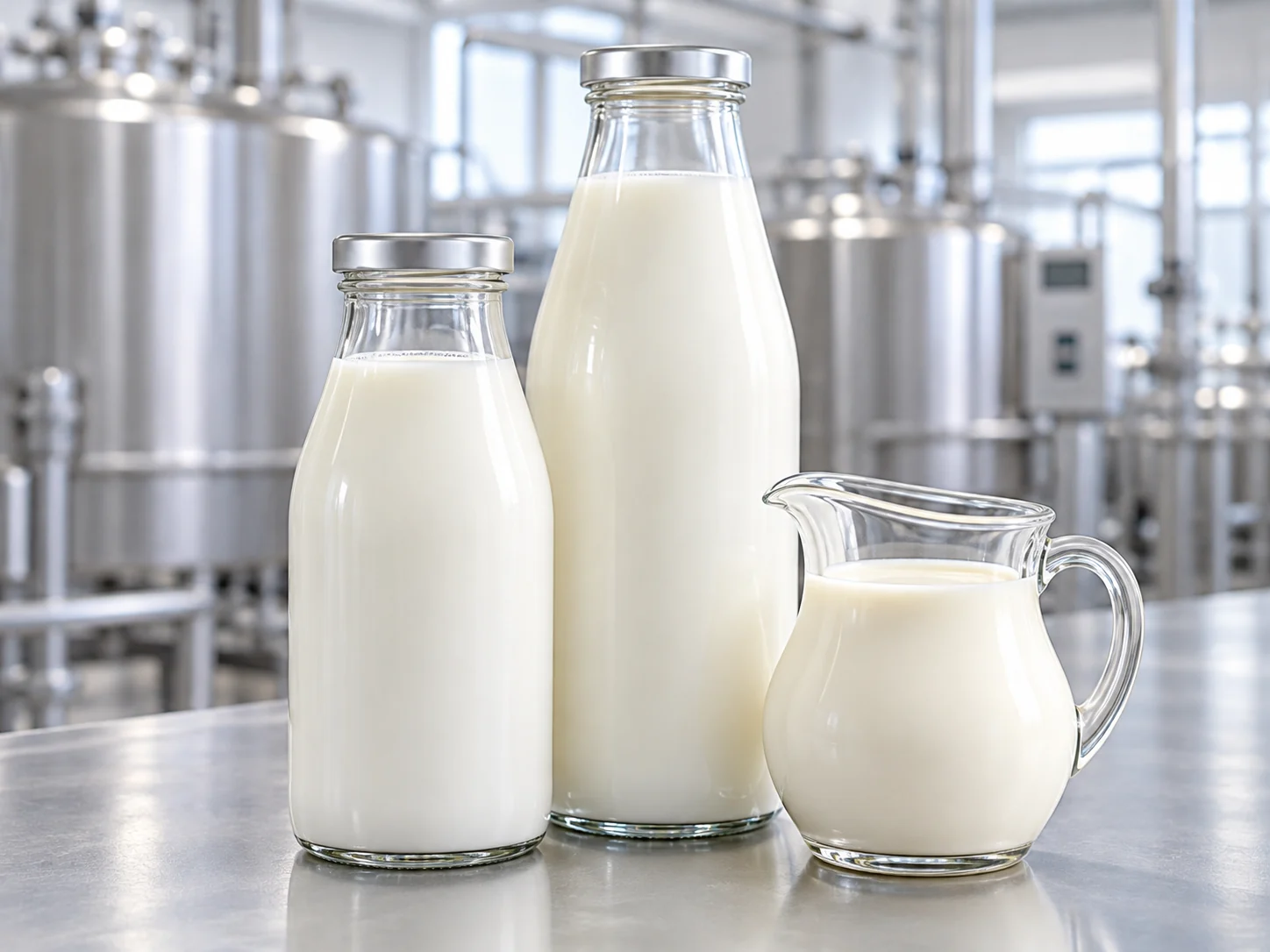
Whole Milk · Semi-skimmed · Skimmed
Reliable milk reception, standardization, pasteurization and hygienic filling for everyday dairy products.
Explore Solutions →
Chocolate Milk · Fortified Milk · Dairy Drinks
Blend ingredients accurately and protect consistent flavour, texture and product safety.
Explore Solutions →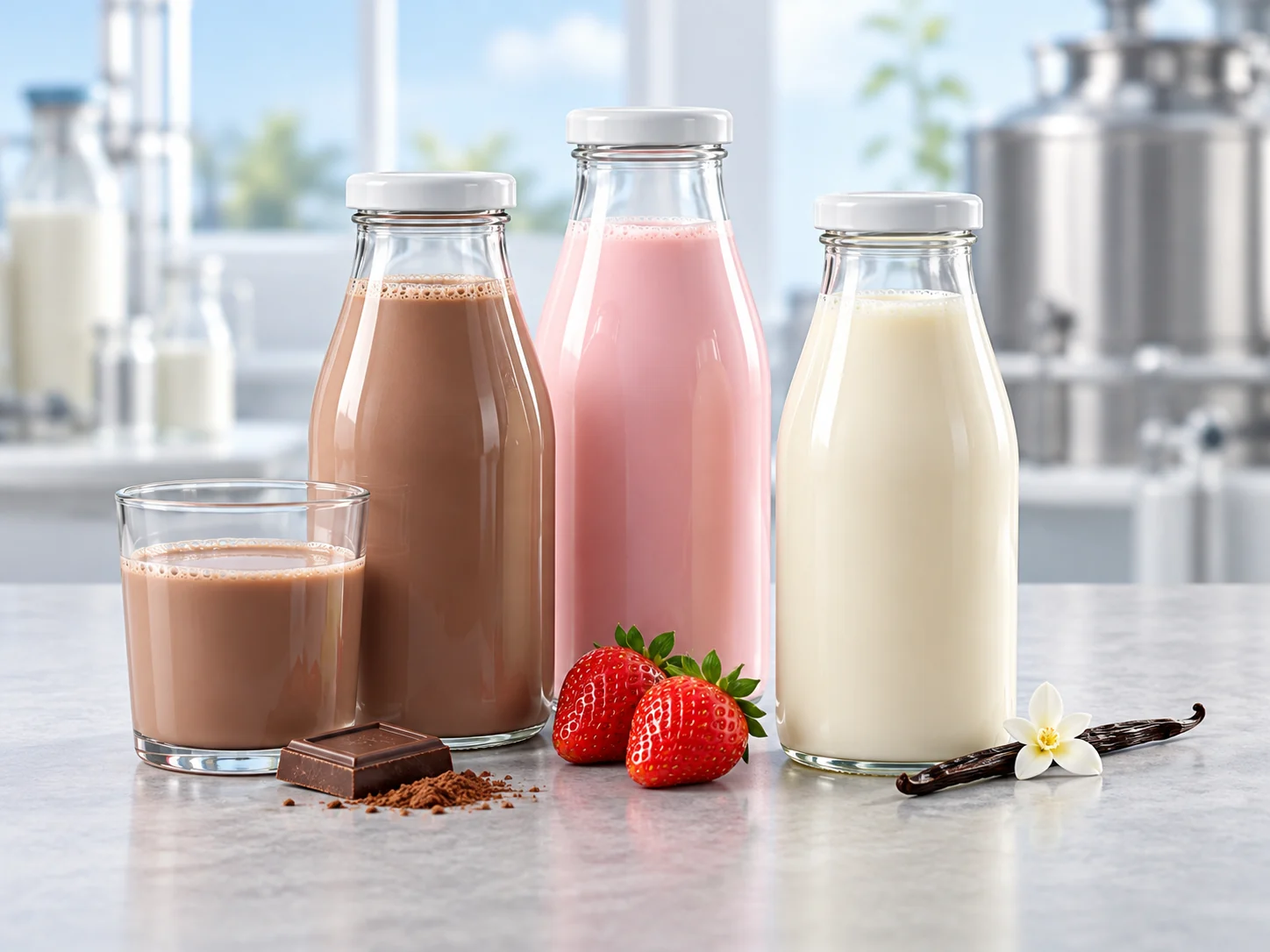
Set Yoghurt · Stirred Yoghurt · Drinking Yoghurt
Control fermentation, cooling and filling to build the taste and texture your customers expect.
Explore Solutions →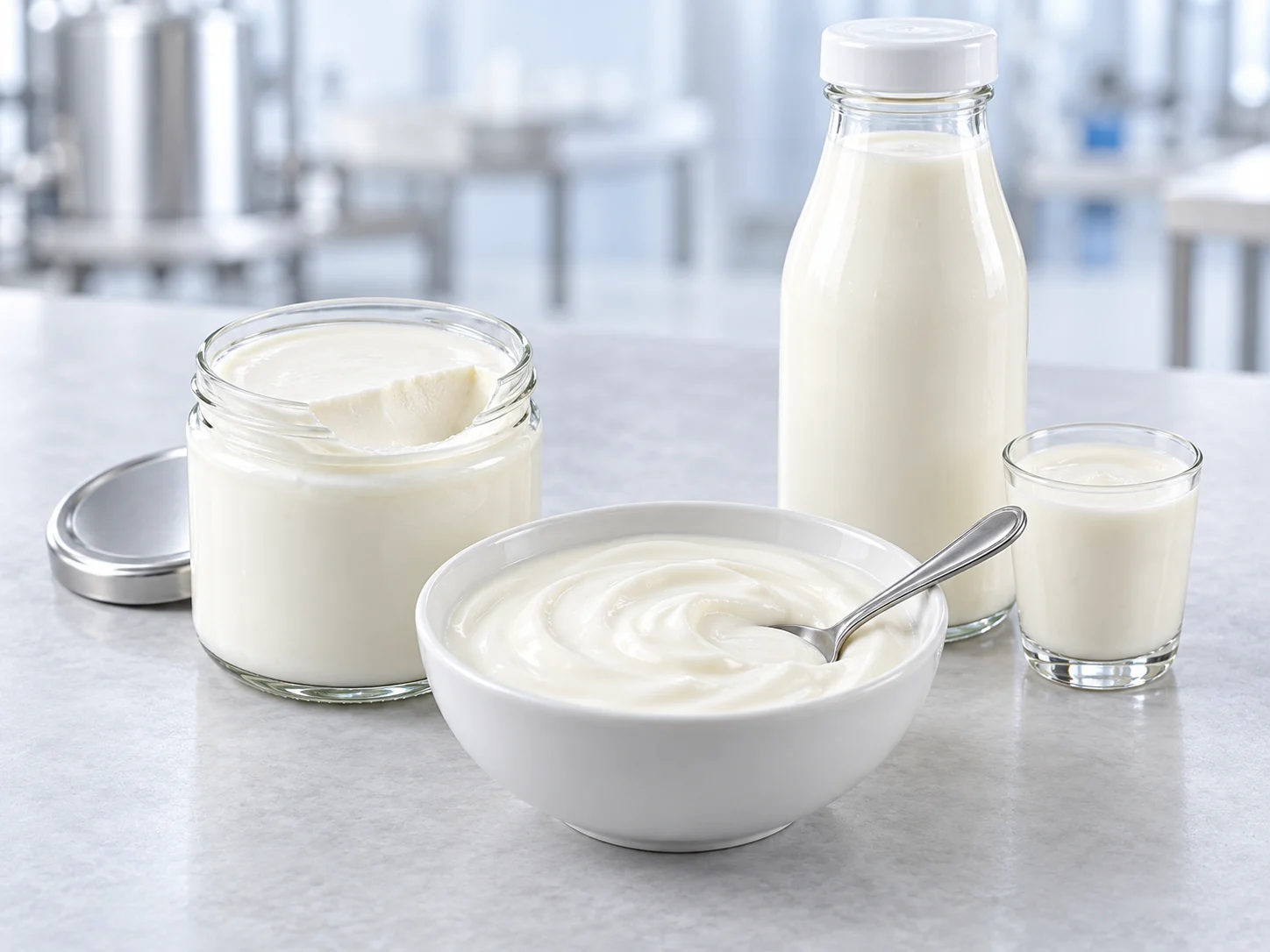
Cream · Sour Cream · Dairy Bases
Separate, standardize and process dairy ingredients with stable quality and efficient use of raw milk.
Explore Solutions →Build a flexible platform for multiple liquid dairy products from the same milk supply.
Explore Solutions →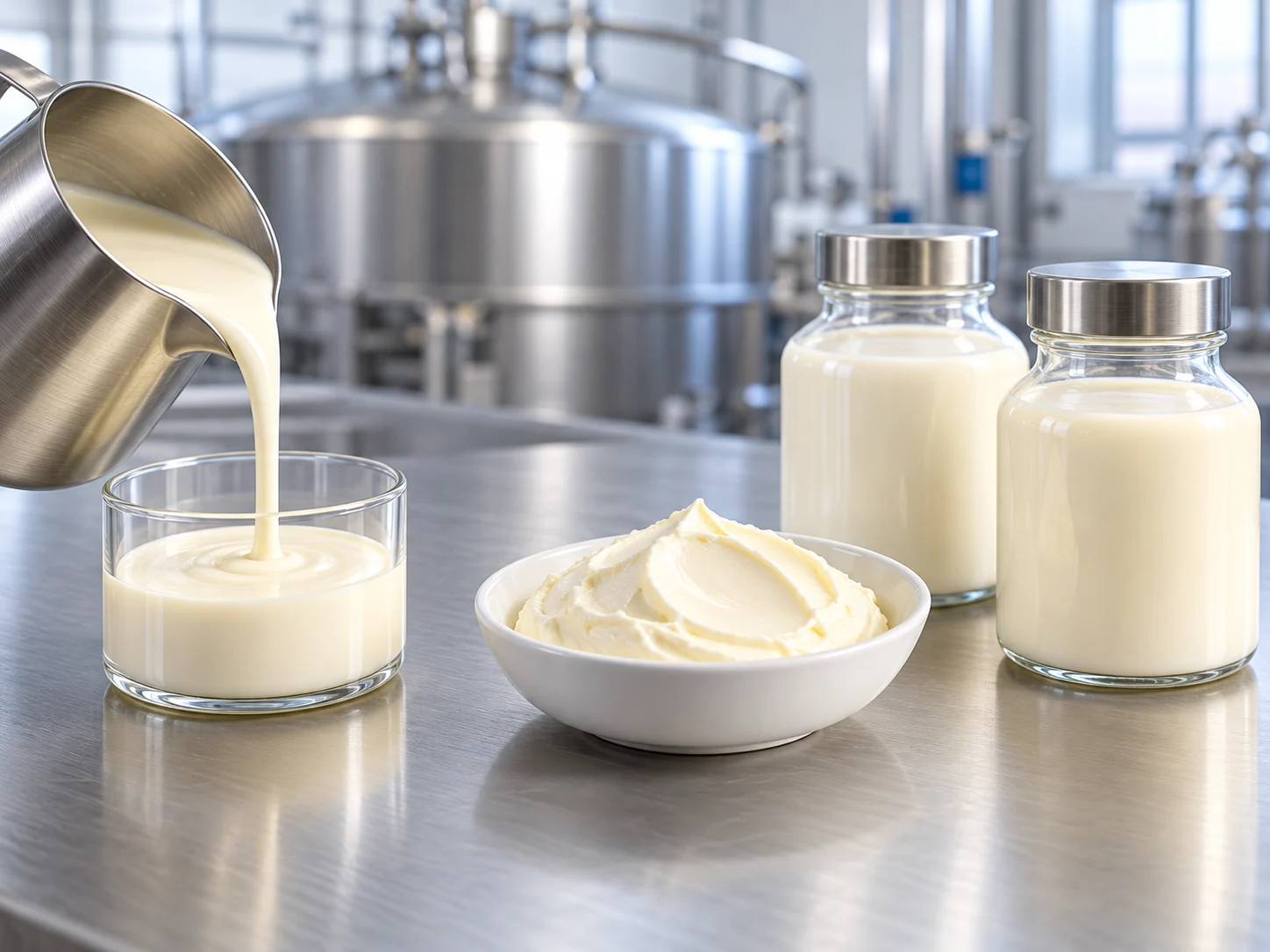
OUR ADVANTAGES
Adapt your line to milk, dairy drinks, yoghurt and cream products.
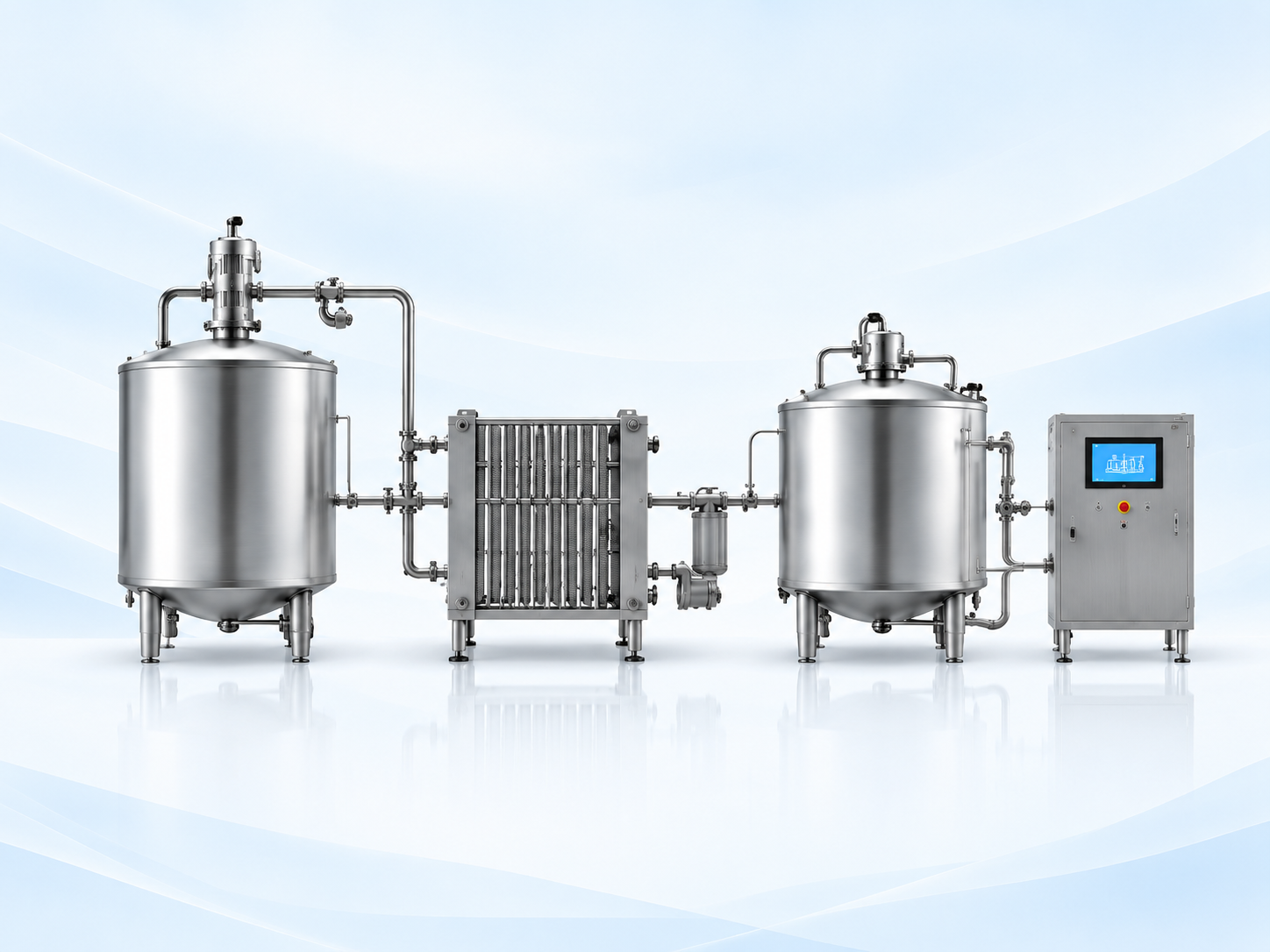
Select capacity and automation that match your current plan.
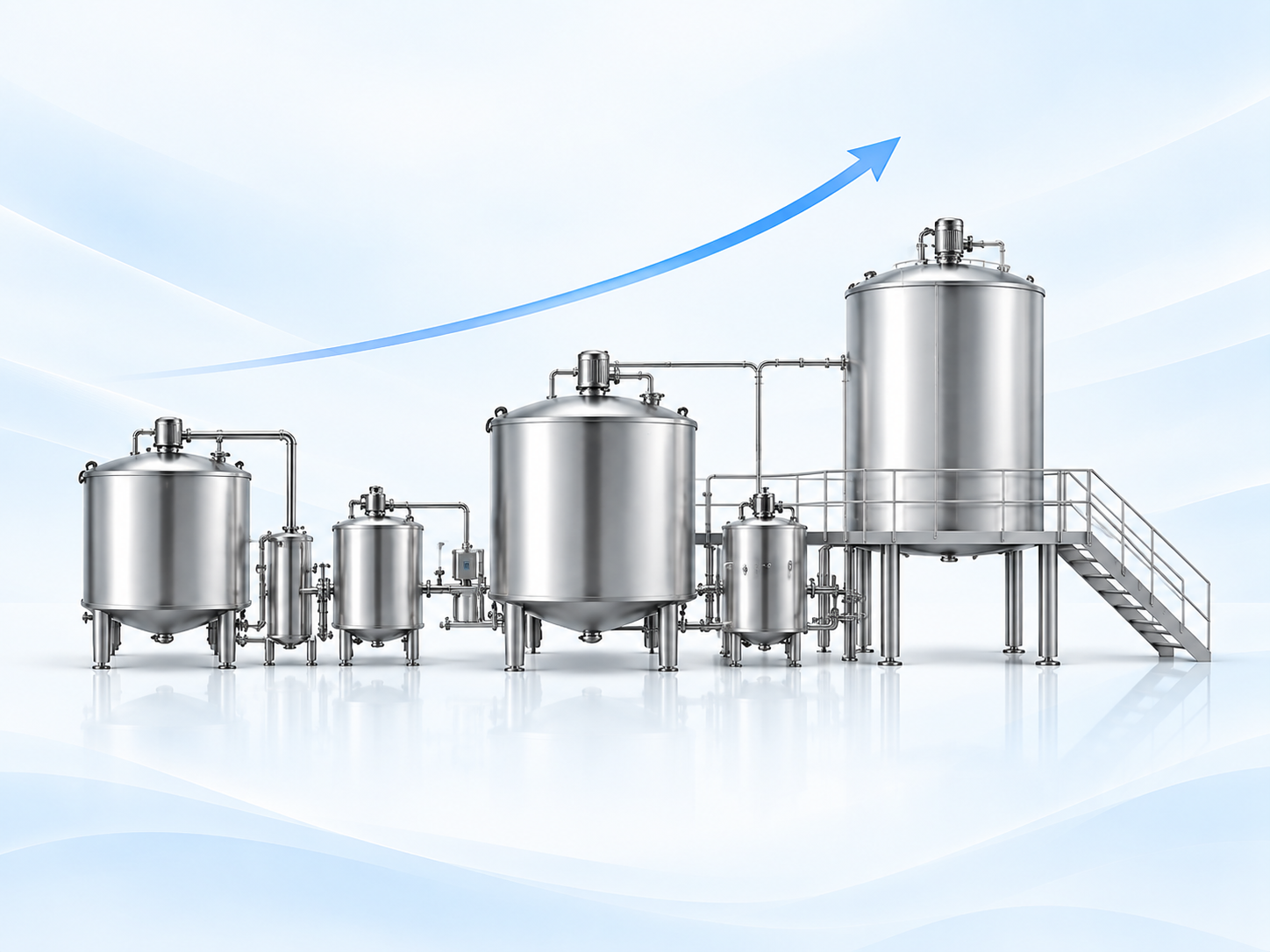
Start with the right foundation and expand as demand grows.
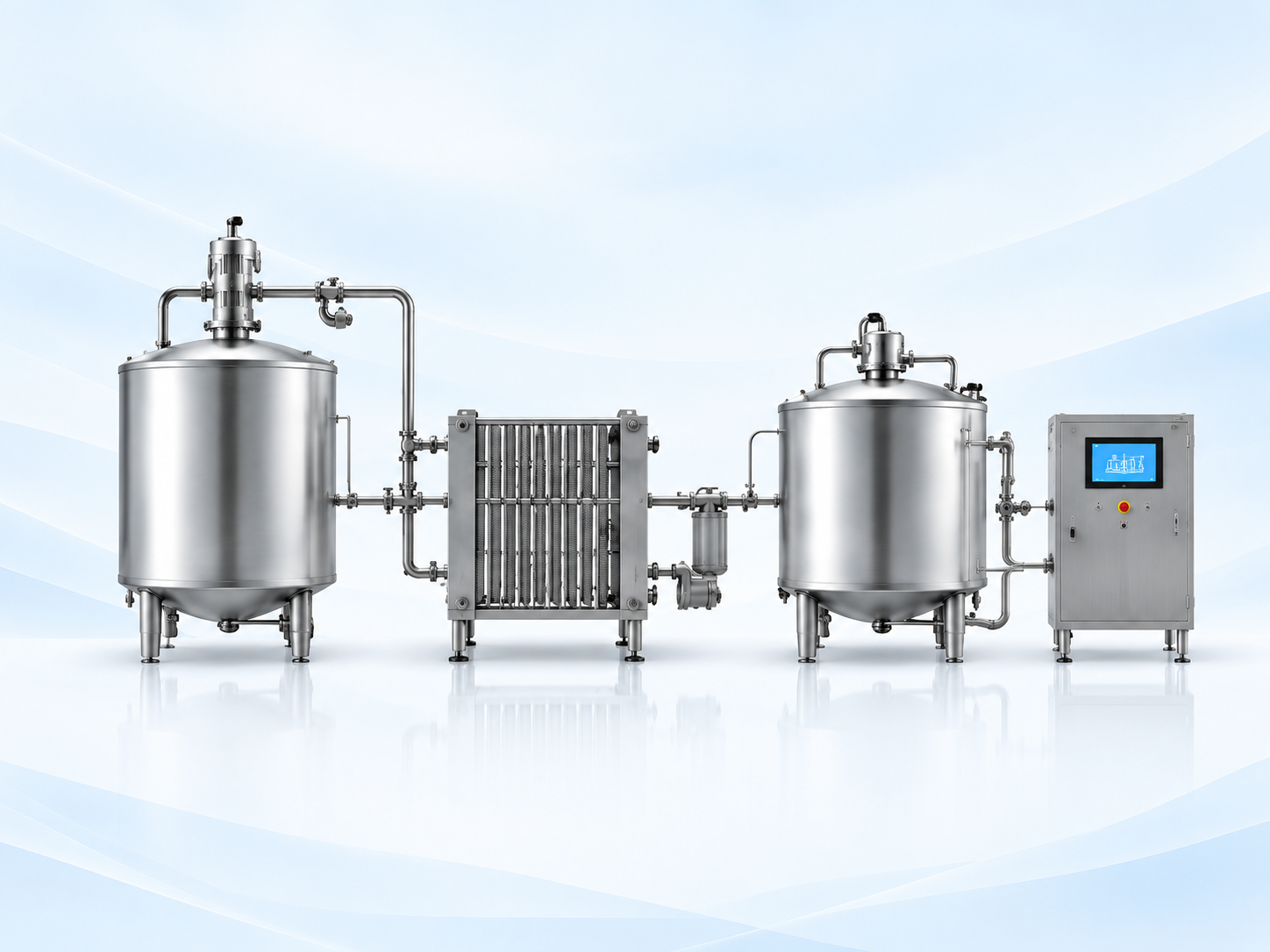
Configure equipment around your actual product and filling process.
CAPACITY SELECTION
Not sure? Tell us your milk supply and target products.
Find My Production Solution →03HOW LIQUID DAIRY IS MADE
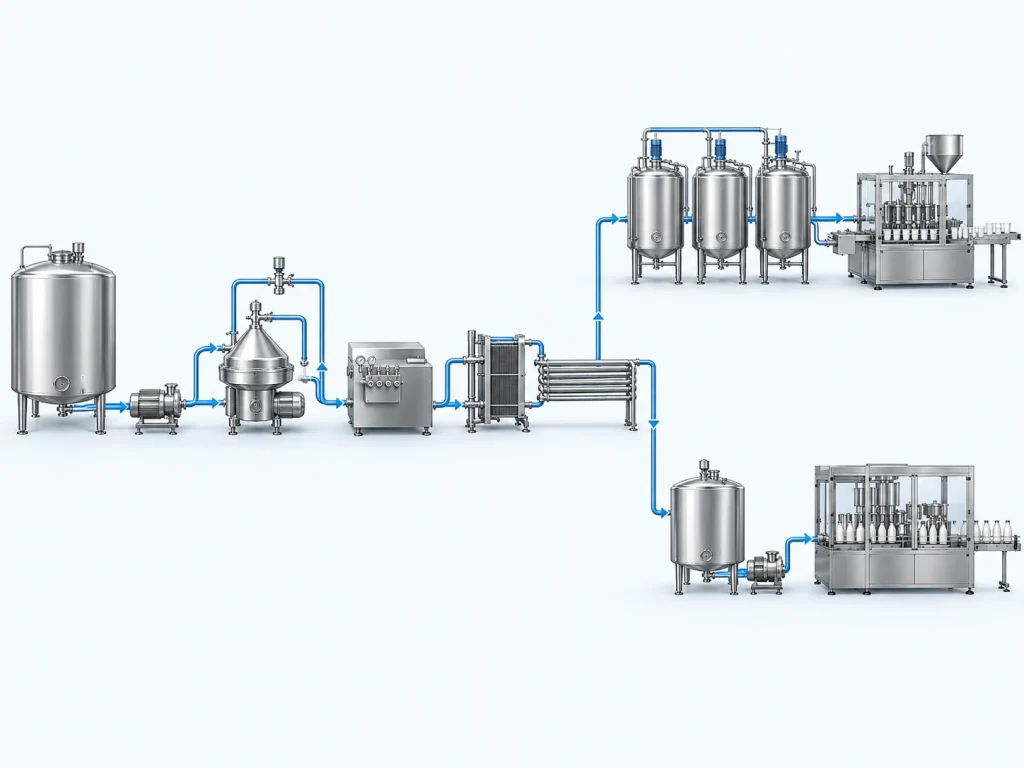
SHARED MILK PREPARATION STEPS
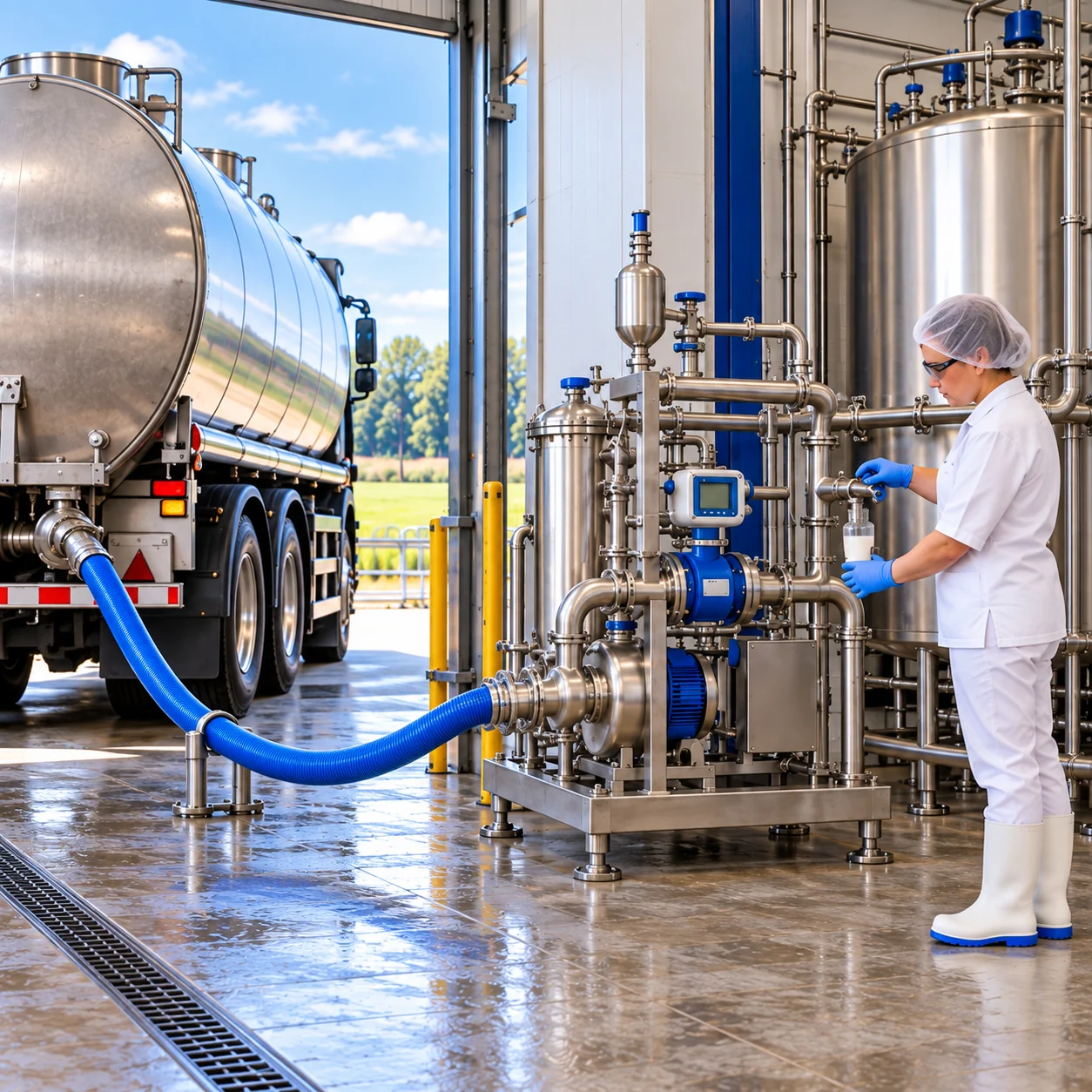
Receive and check raw milk before processing.
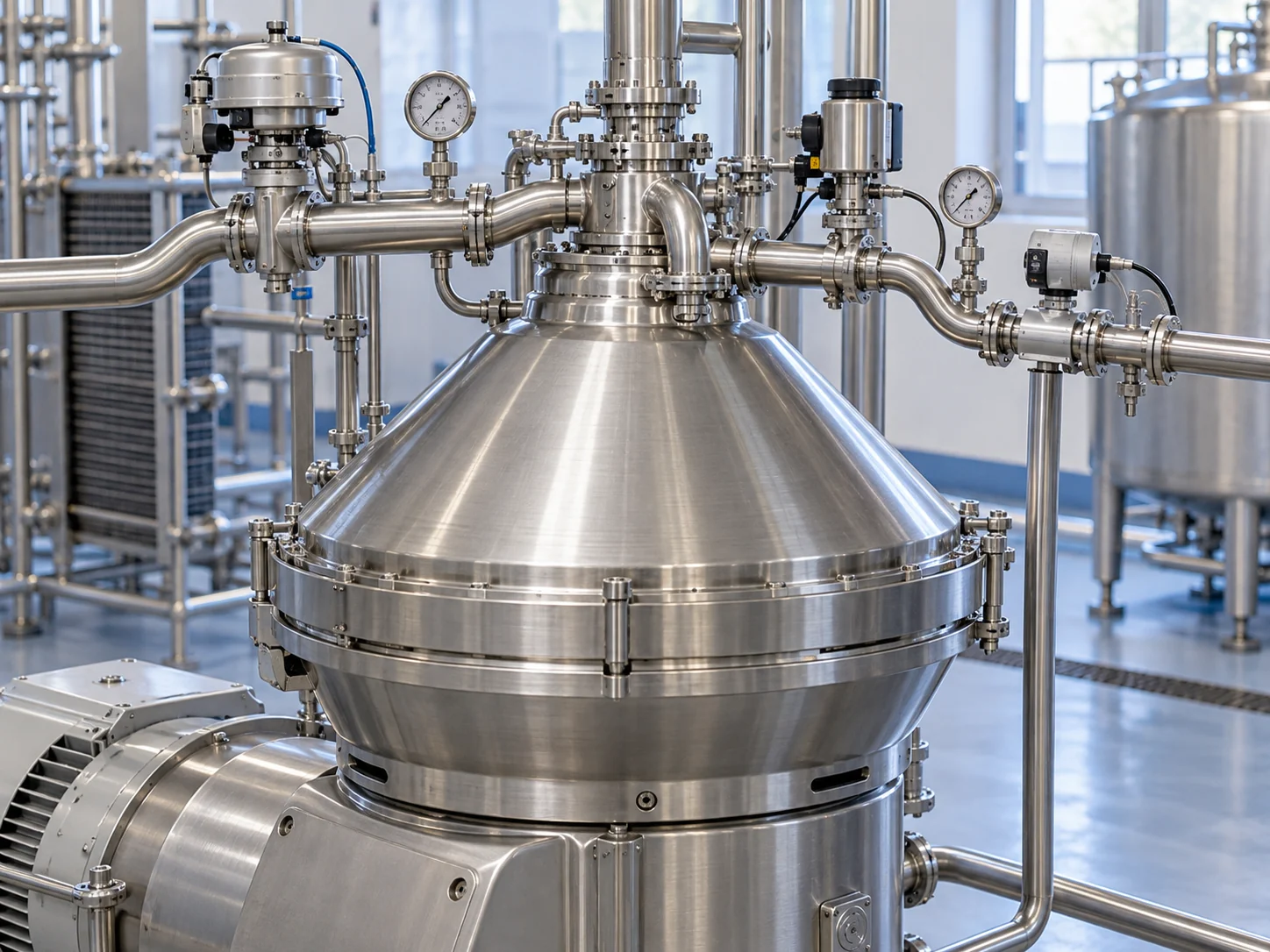
Set the required fat and solids profile for the target product.
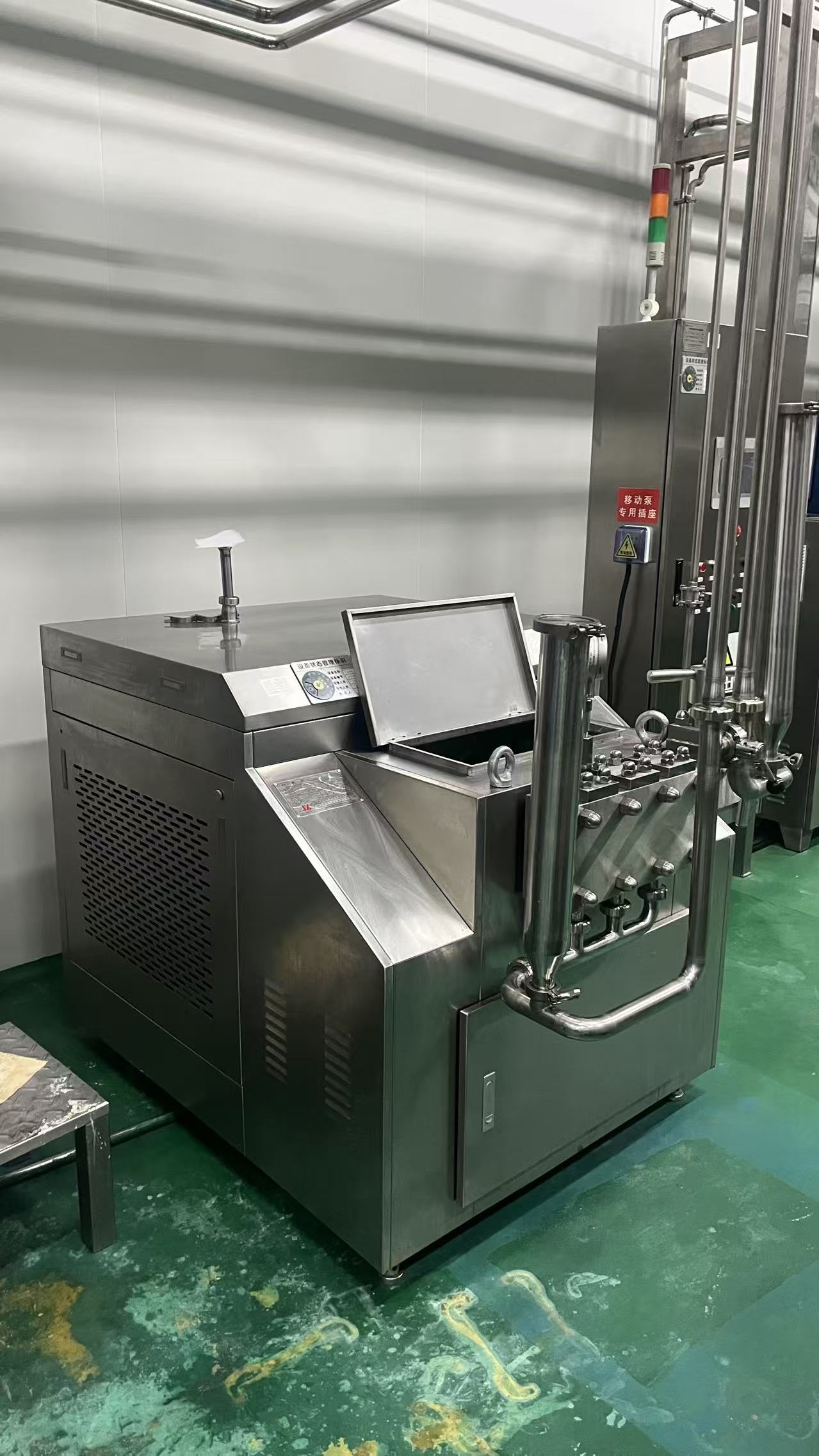
Create a stable and uniform product texture.
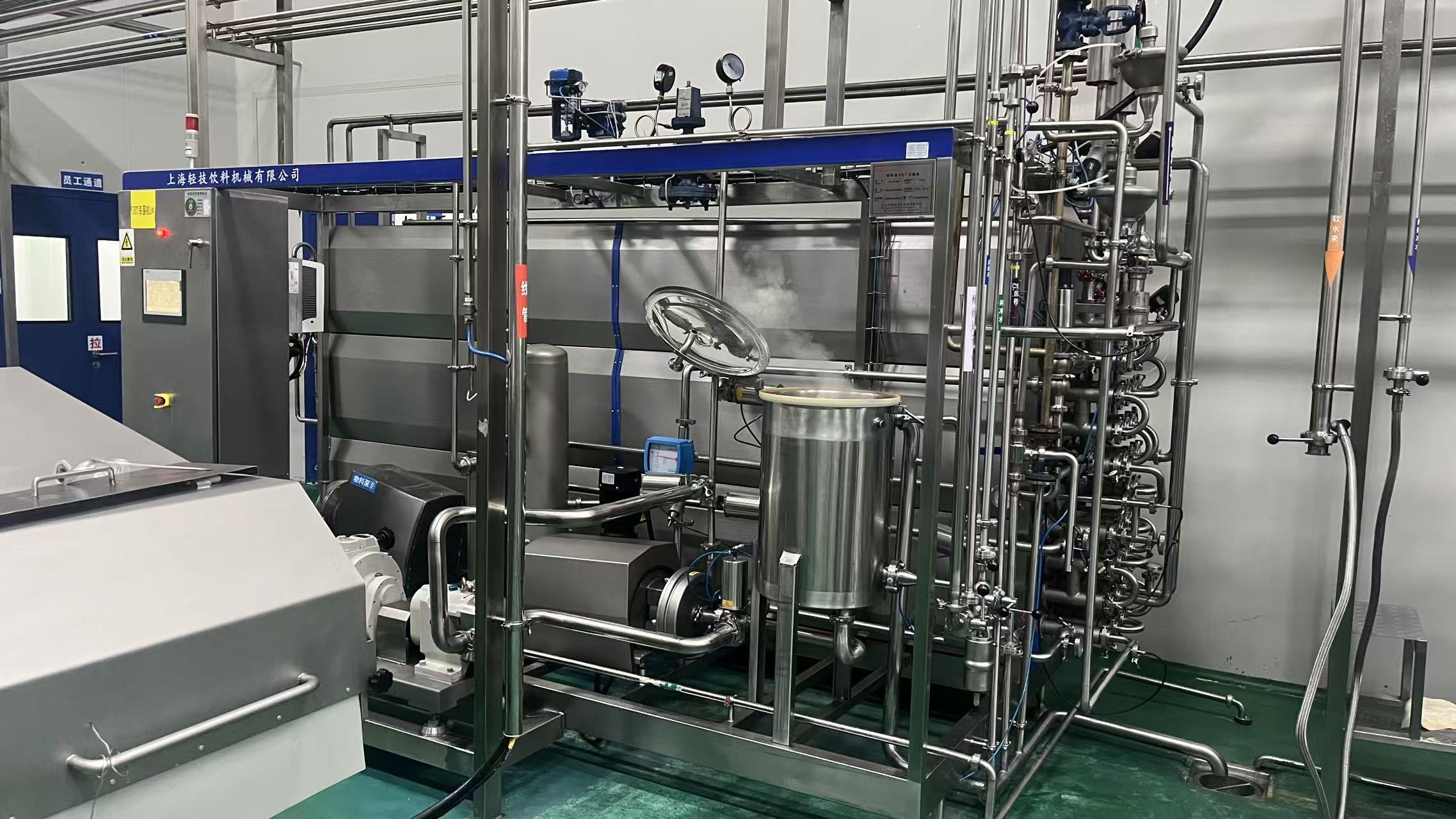
Pasteurize or apply the selected thermal process.
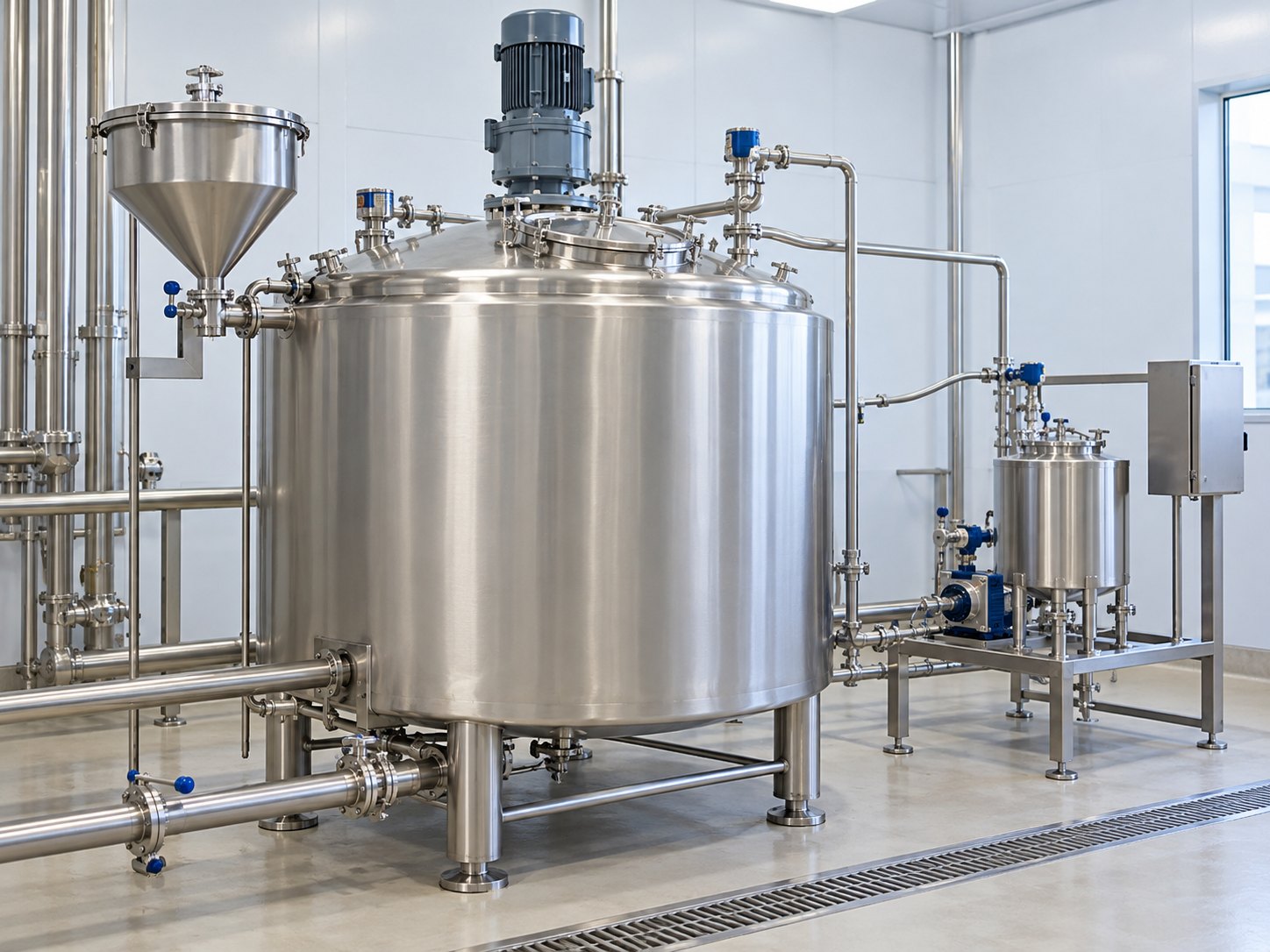
Add ingredients or adjust the formulation when required by the target product.
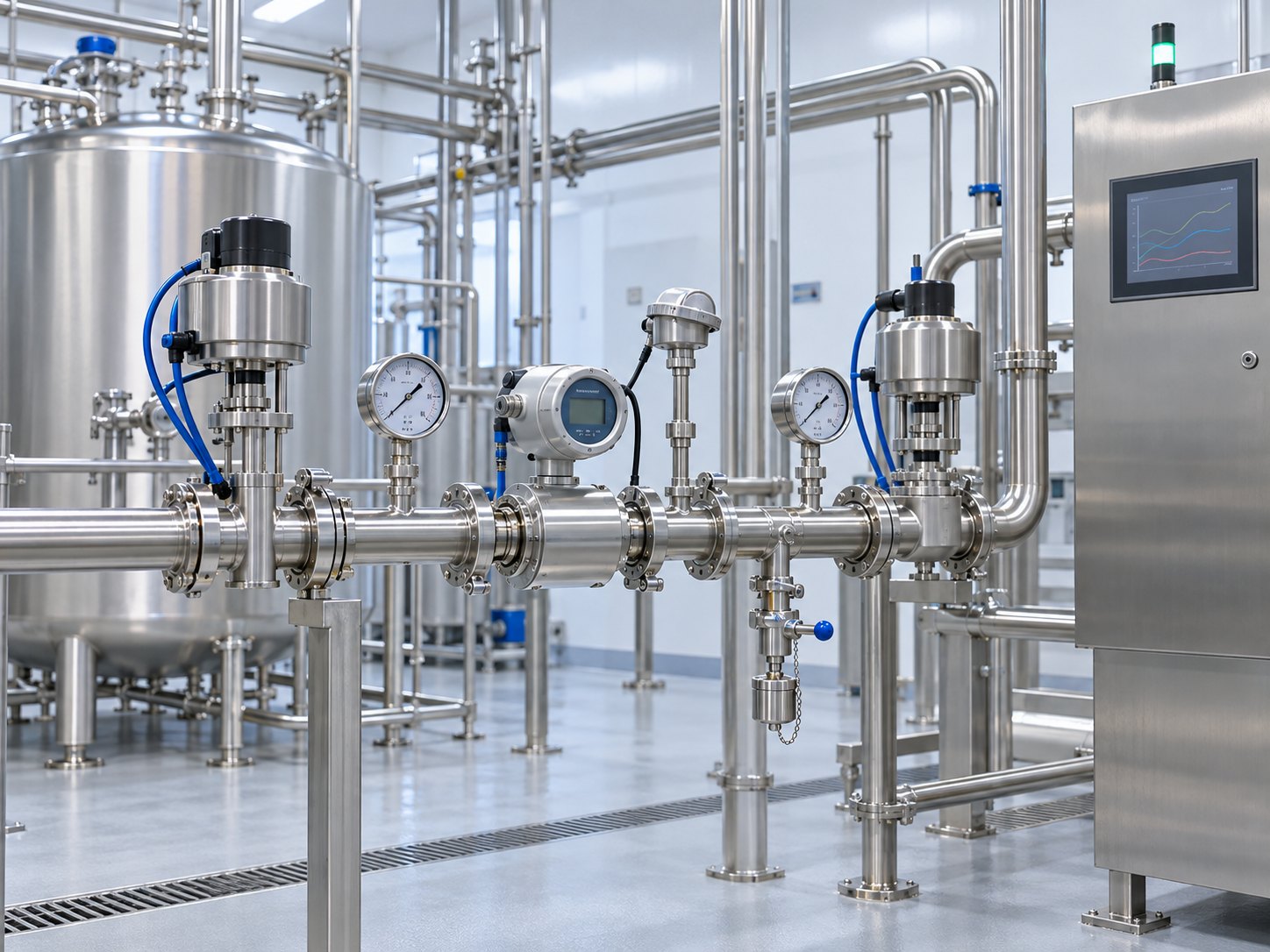
Maintain process conditions and verify product consistency.
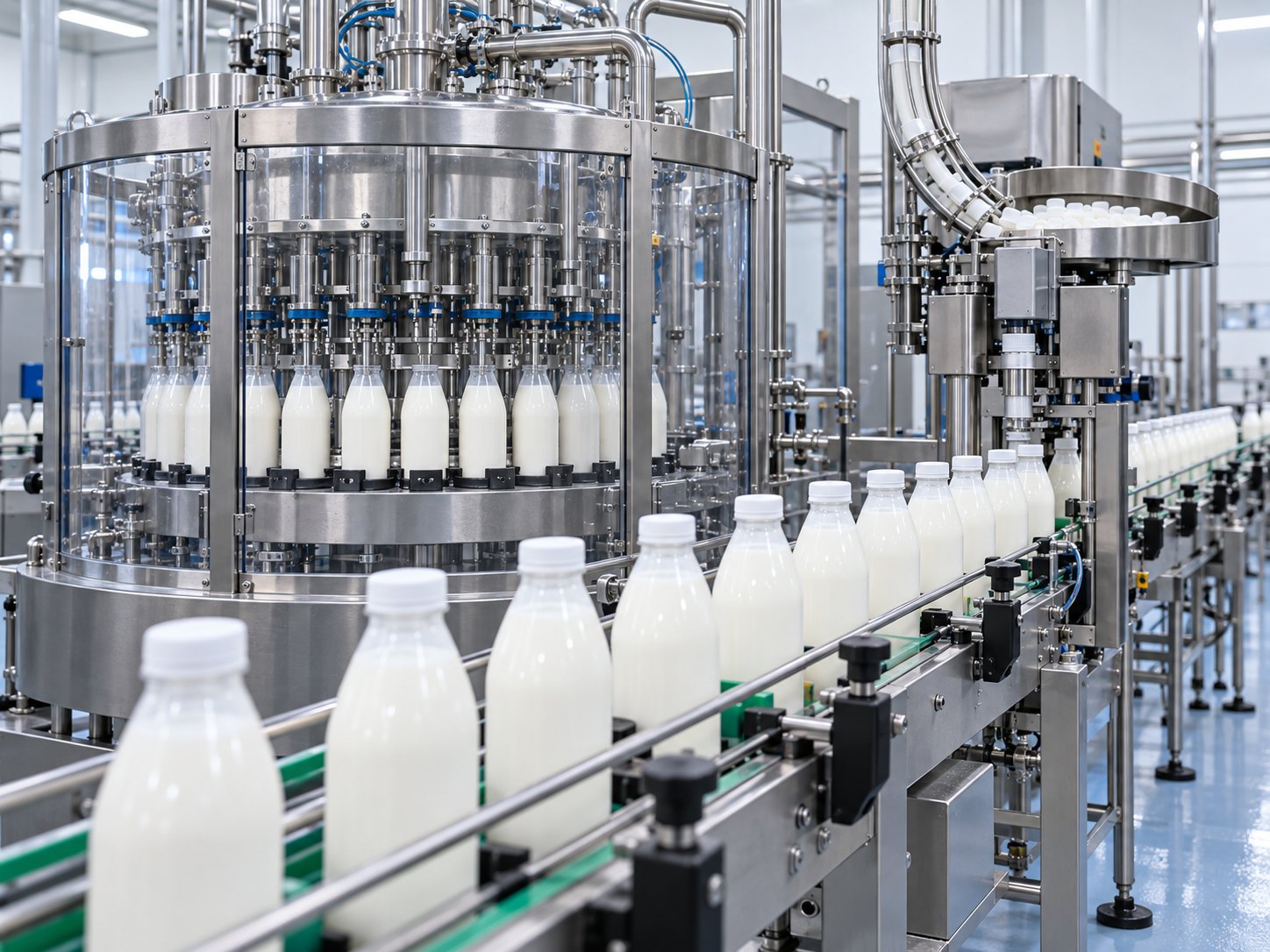
Fill products hygienically in the required package format.
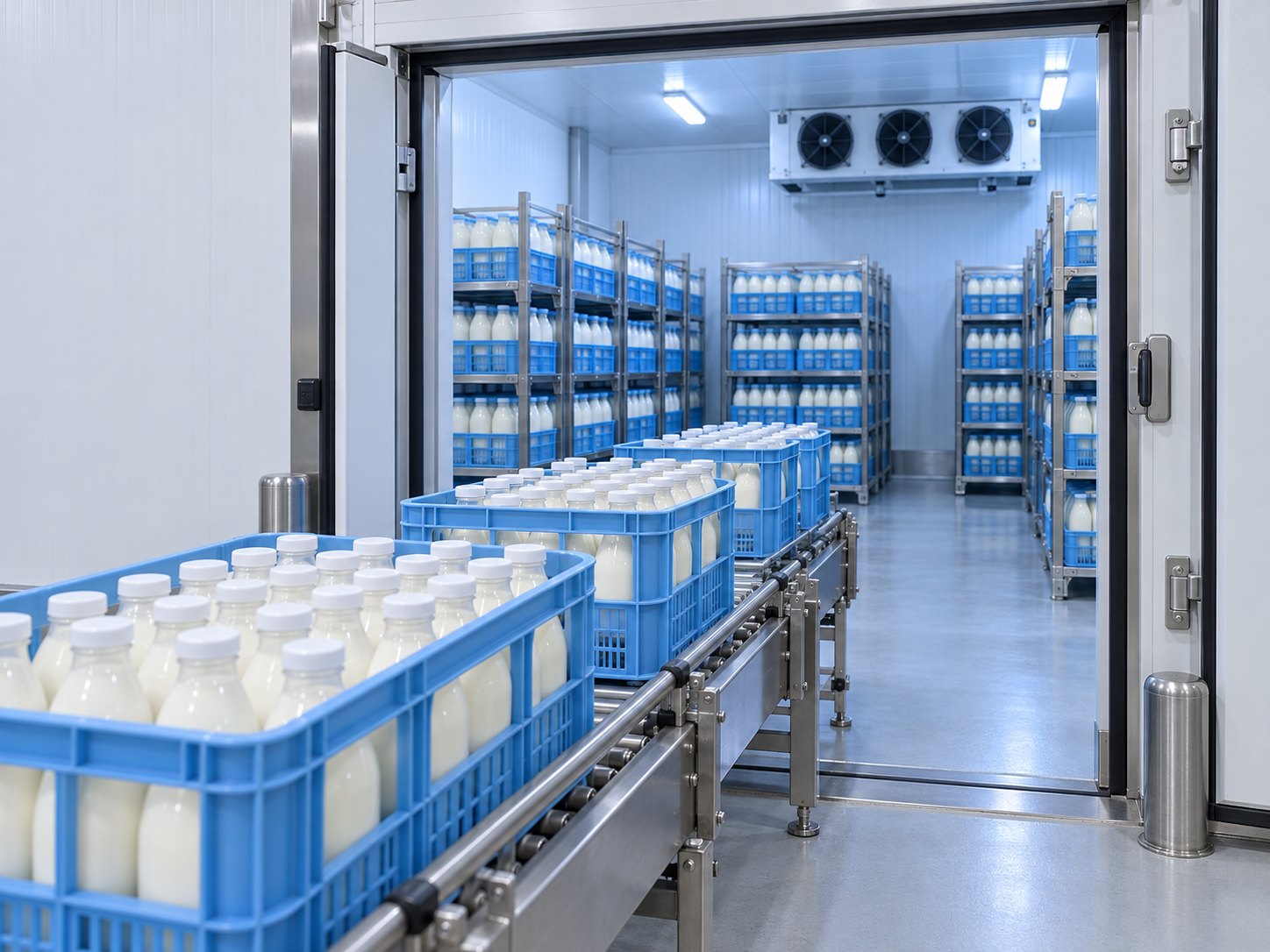
Prepare finished products for distribution under controlled conditions.
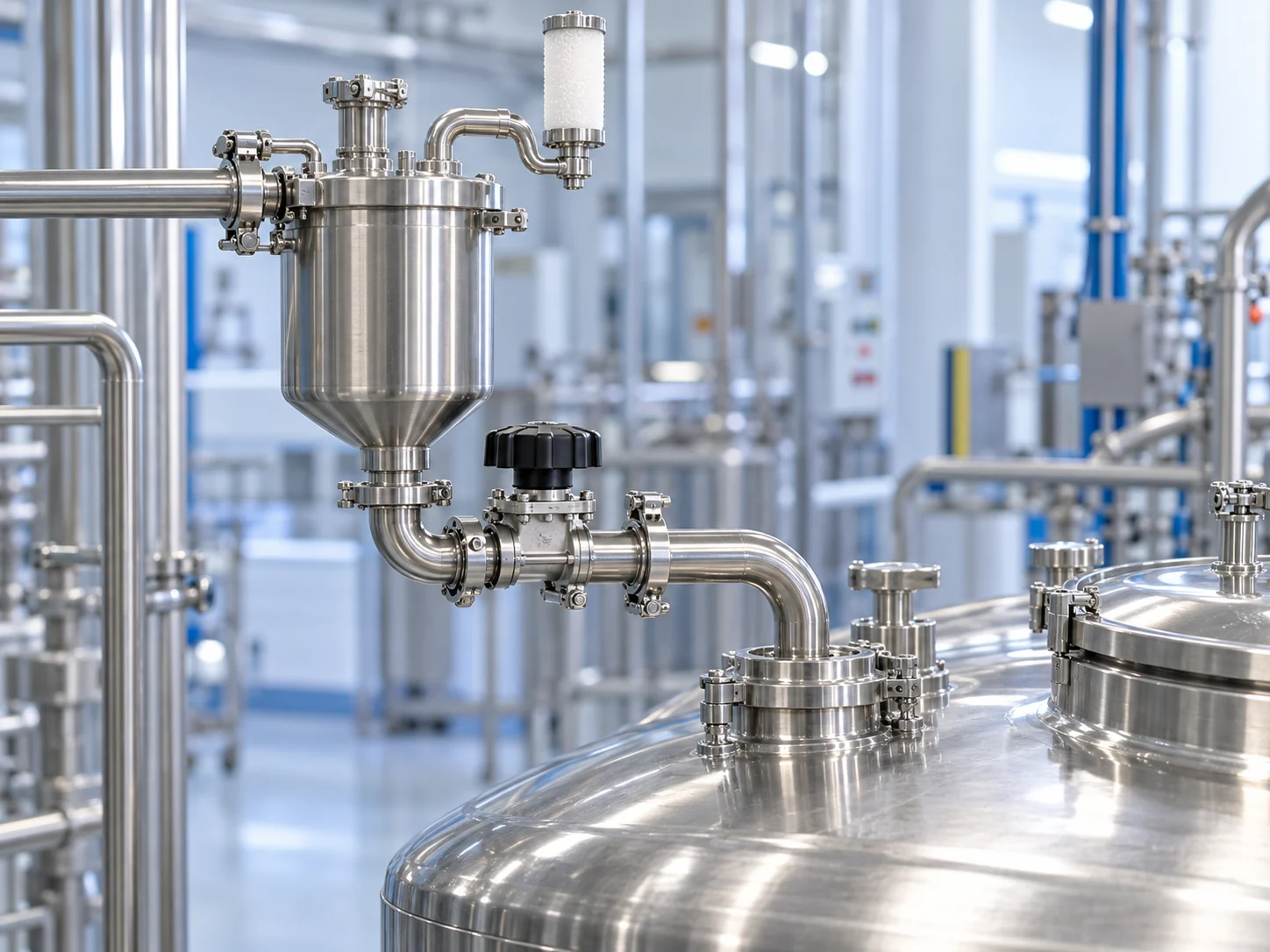
Add selected cultures for the target fermented product.
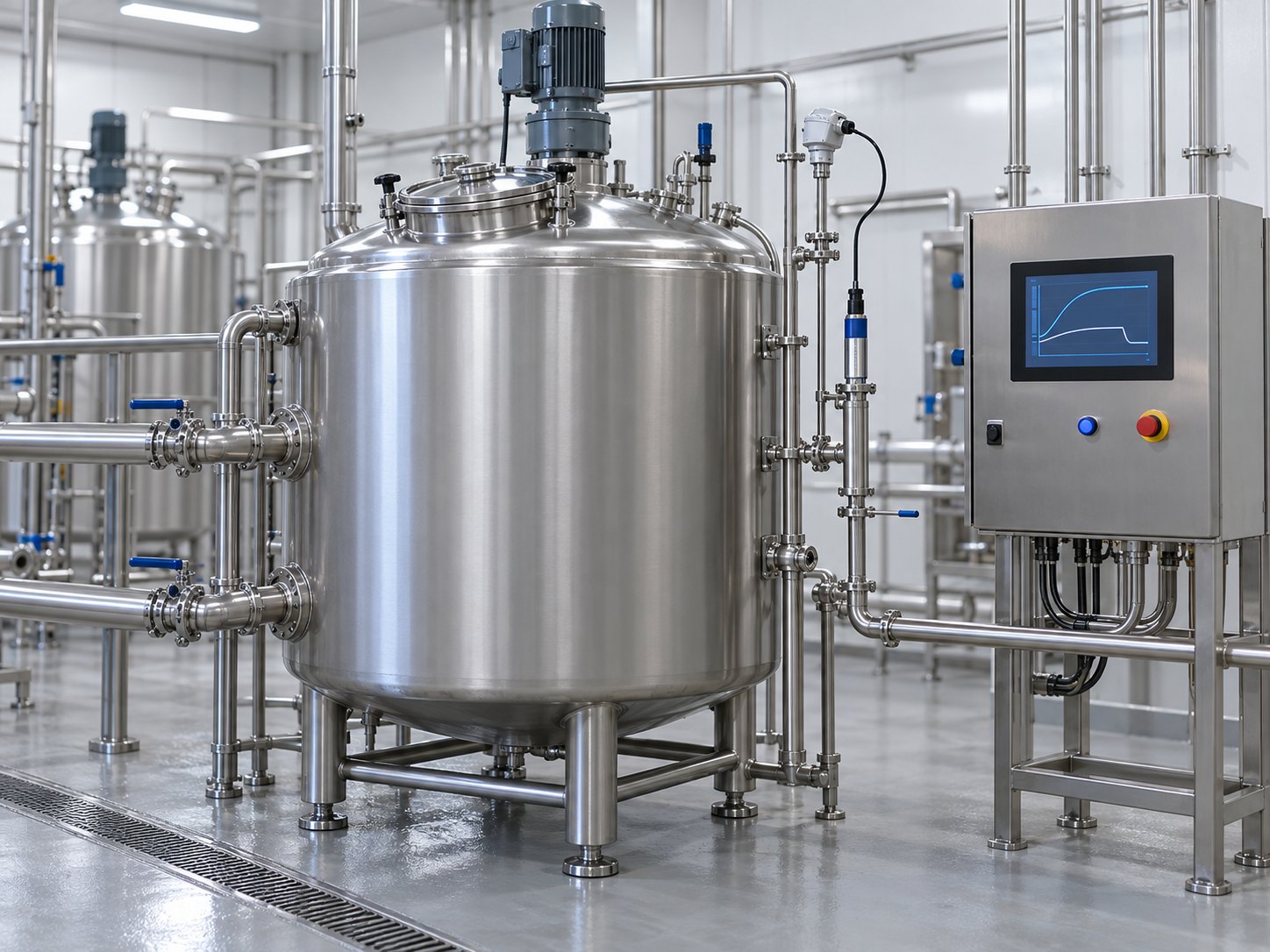
Develop the required acidity, flavour and texture.
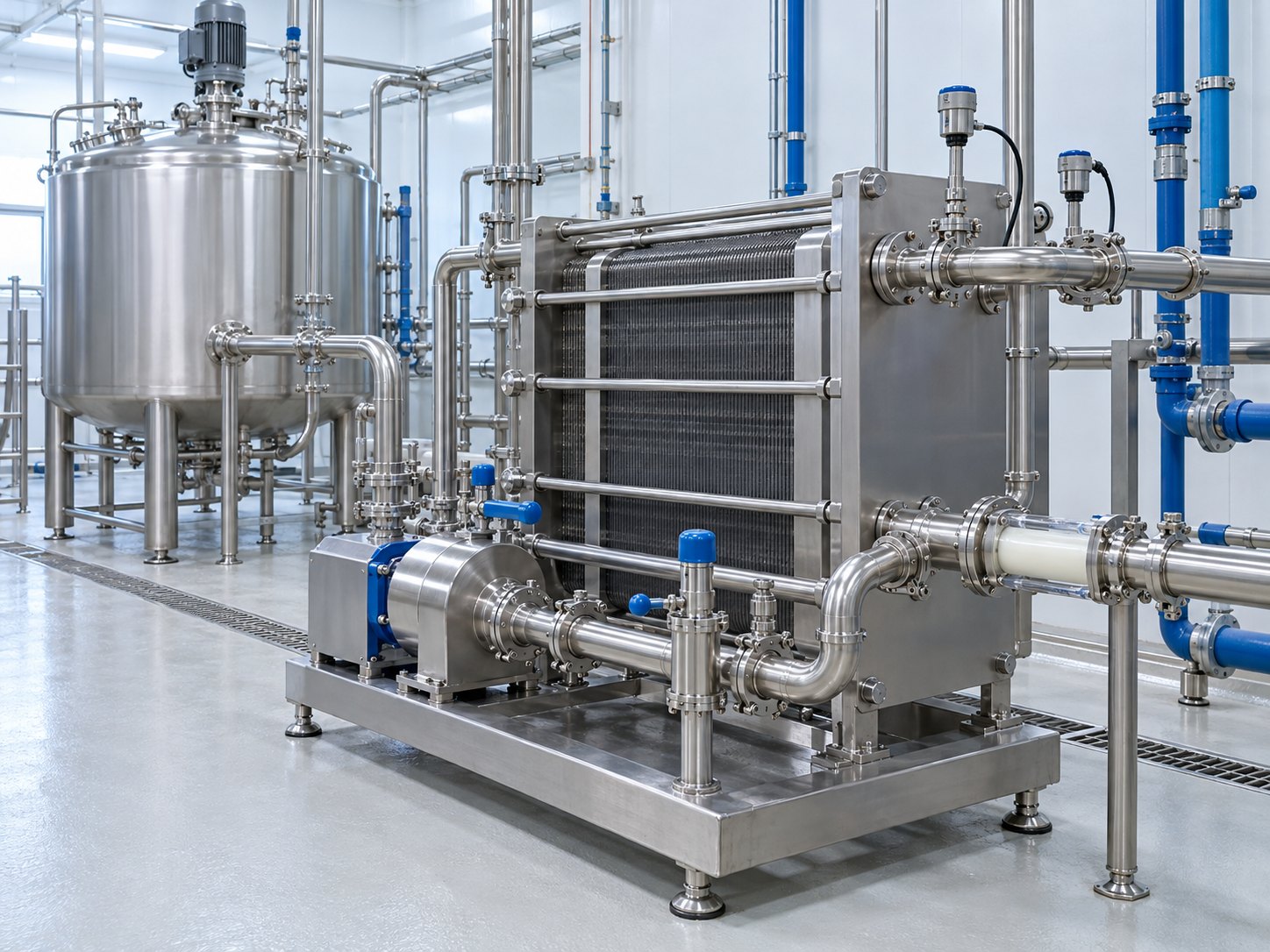
Rapidly cool the product to stop fermentation, then adjust texture or viscosity when required.
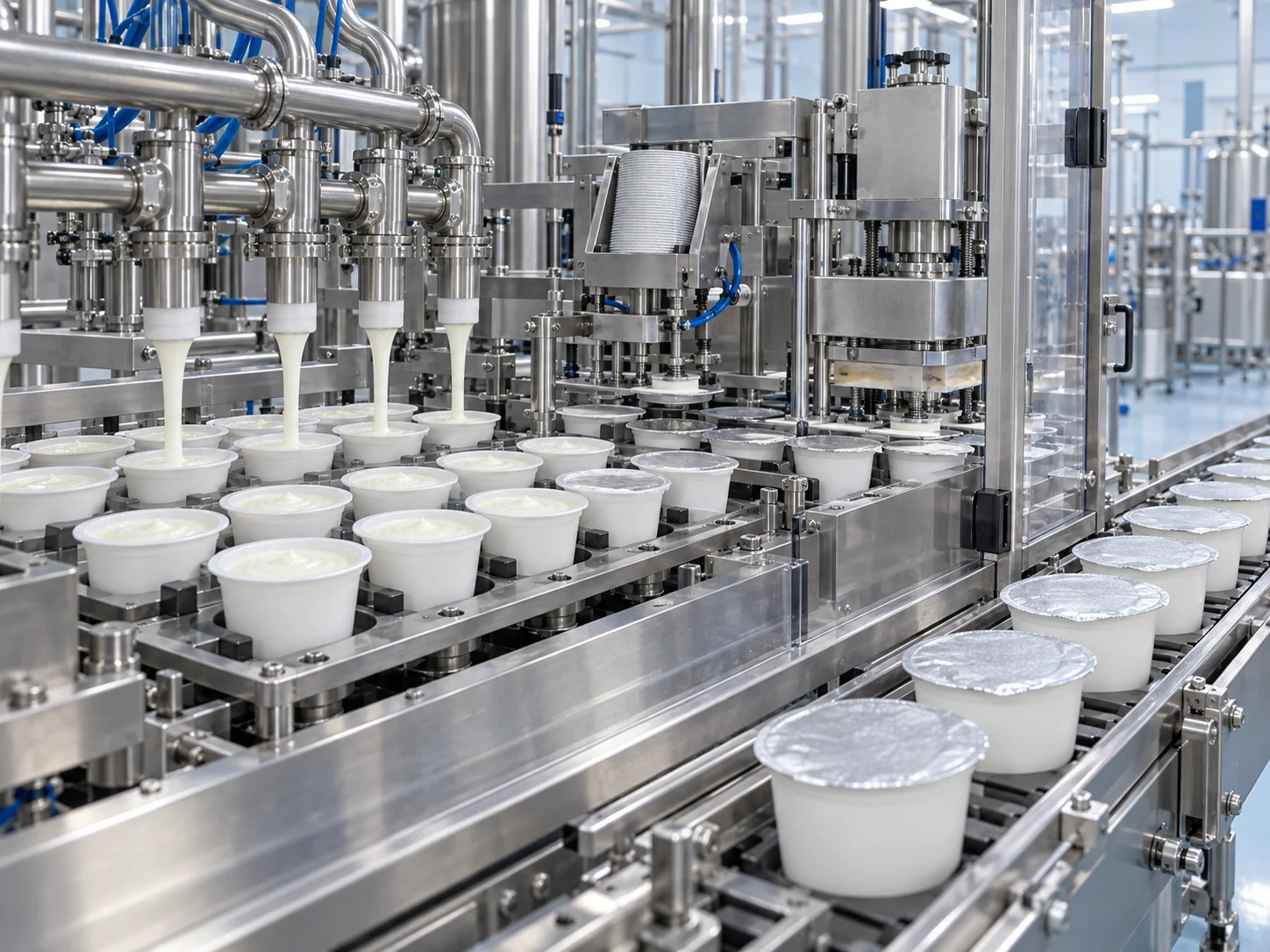
Package fermented products hygienically for distribution.
KEY PROCESS INSIGHTS
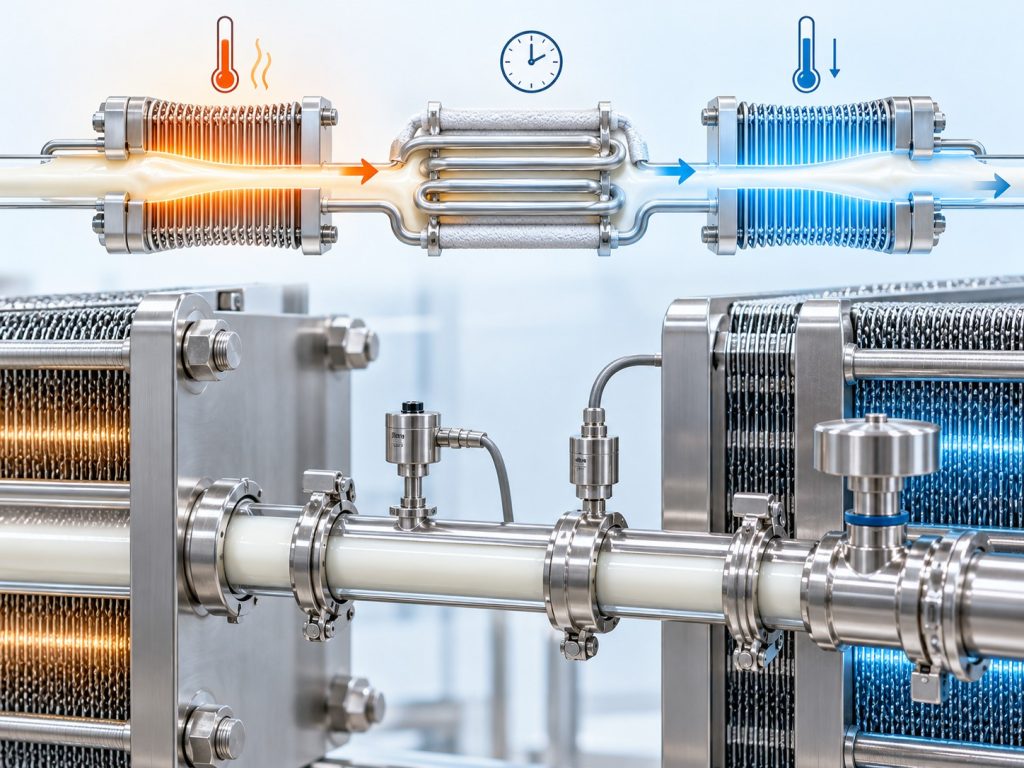
01HEAT TREATMENT
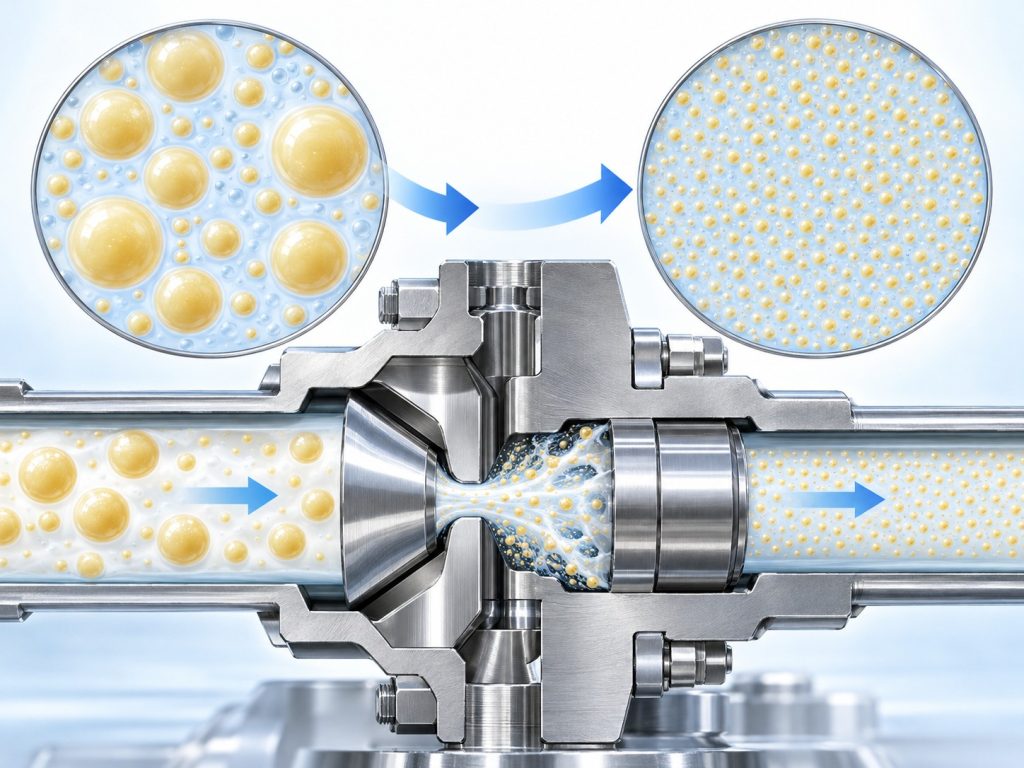
02HOMOGENIZATION
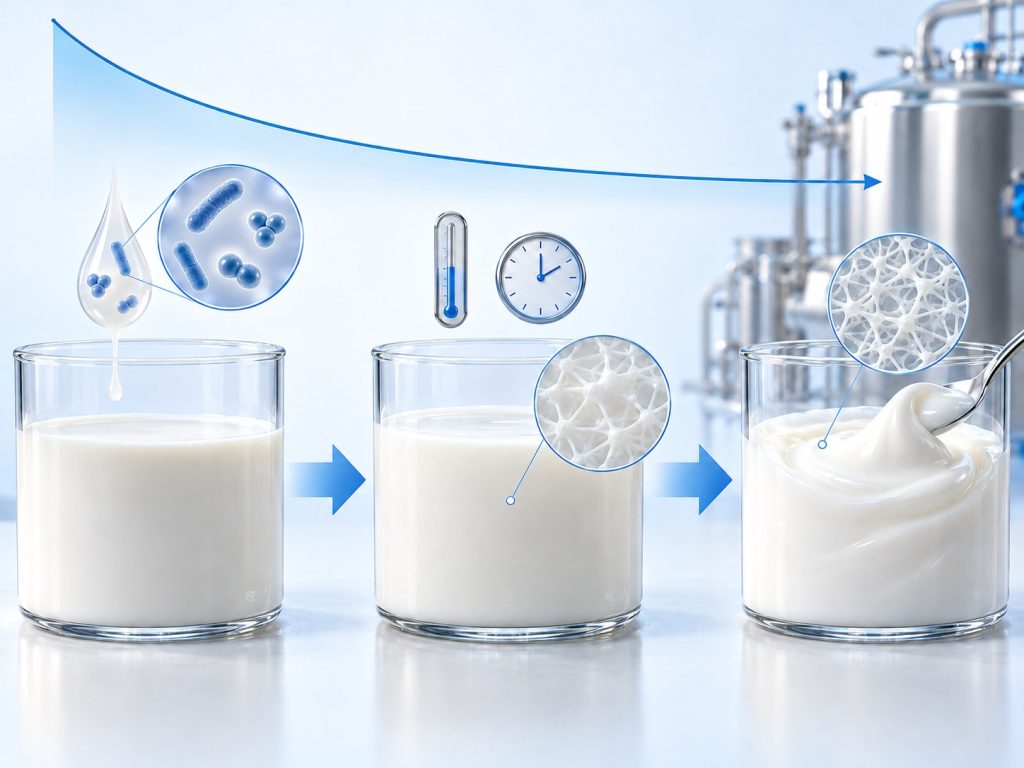
03FERMENTATION
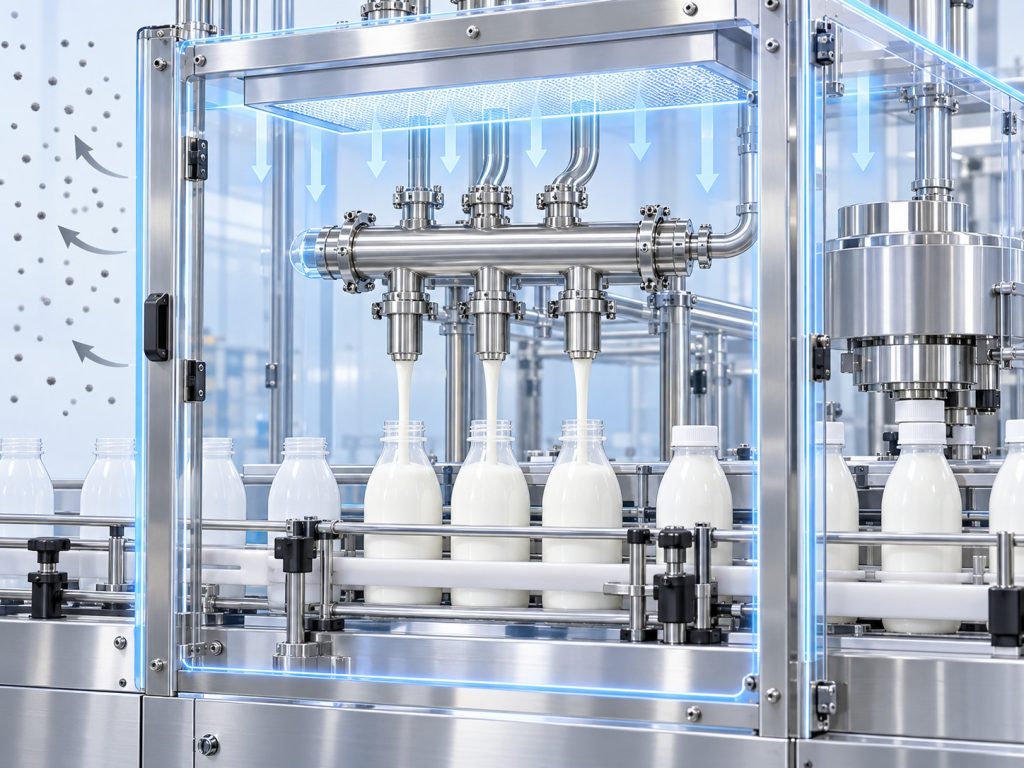
04HYGIENIC FILLING
LIQUID DAIRY PRODUCTION PROCESS
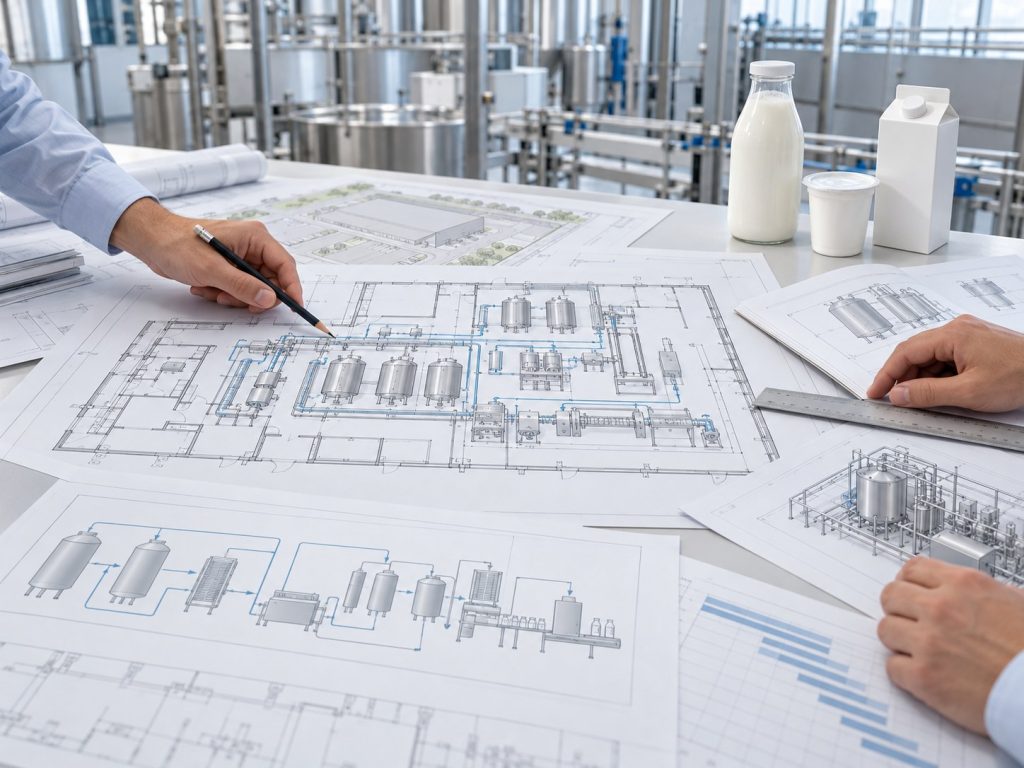
FROM PROCESS TO PRODUCTION
FROM YOUR IDEA TO PRODUCTION
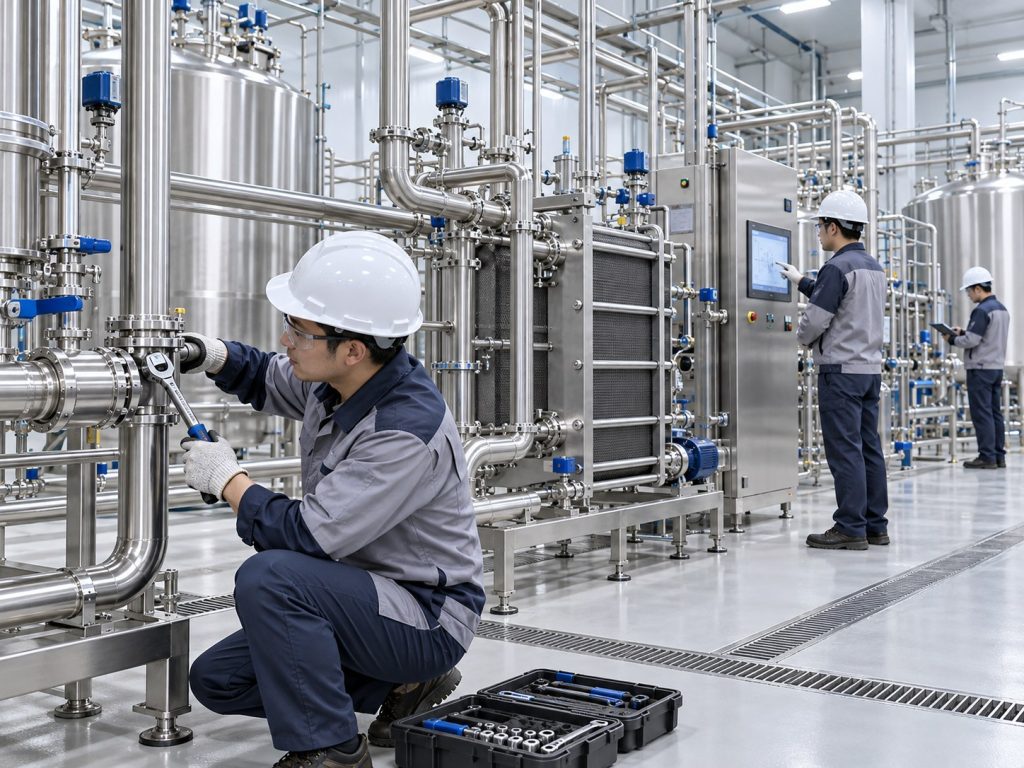
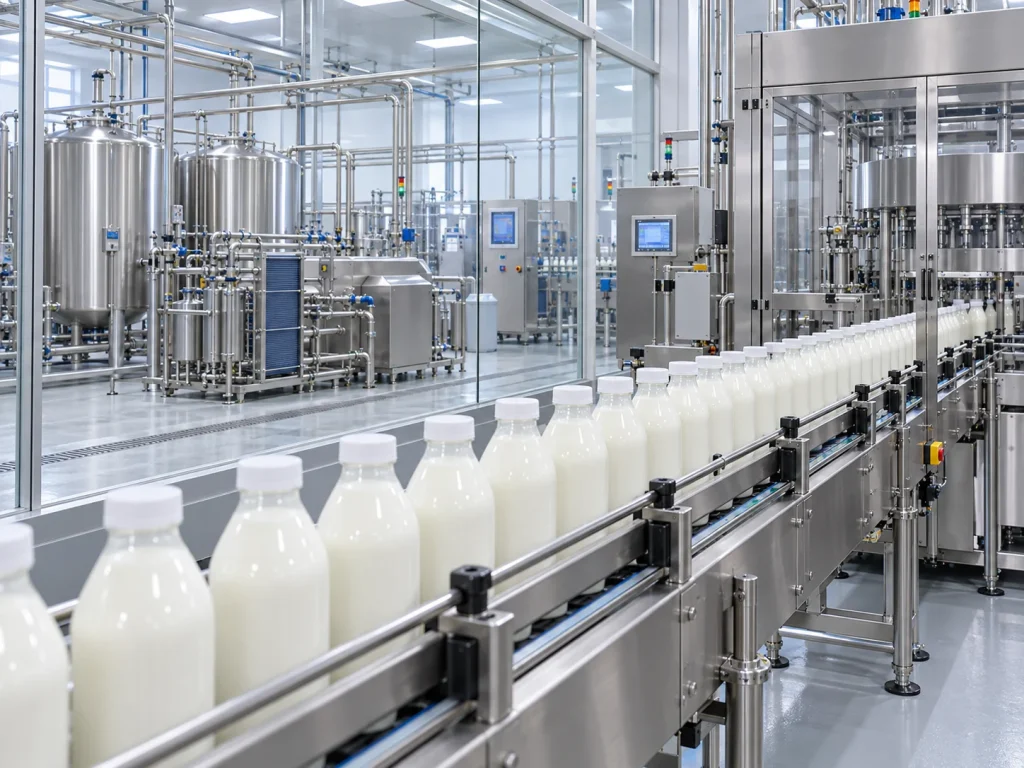
01 / 6
READY TO DISCUSS YOUR LIQUID DAIRY PROJECT?
Yes. DAIROOL can develop a complete solution based on your product range, daily milk capacity, raw material conditions, packaging format and factory requirements. The project can include process design, equipment selection, line layout, CIP, utilities coordination, installation, commissioning, operator training and preparation for stable production.
Pasteurized milk and yoghurt should be cooled promptly after heat treatment or fermentation and kept within the required refrigerated temperature range during storage and transportation. The exact temperature and cold-chain configuration depend on the product type, packaging and required shelf life.
Not always. Some products can share the same filling system if the packaging format, product viscosity and hygiene requirements are compatible. However, pasteurized milk, UHT milk, drinking yoghurt and more viscous fermented products may require different filling and packaging technologies.
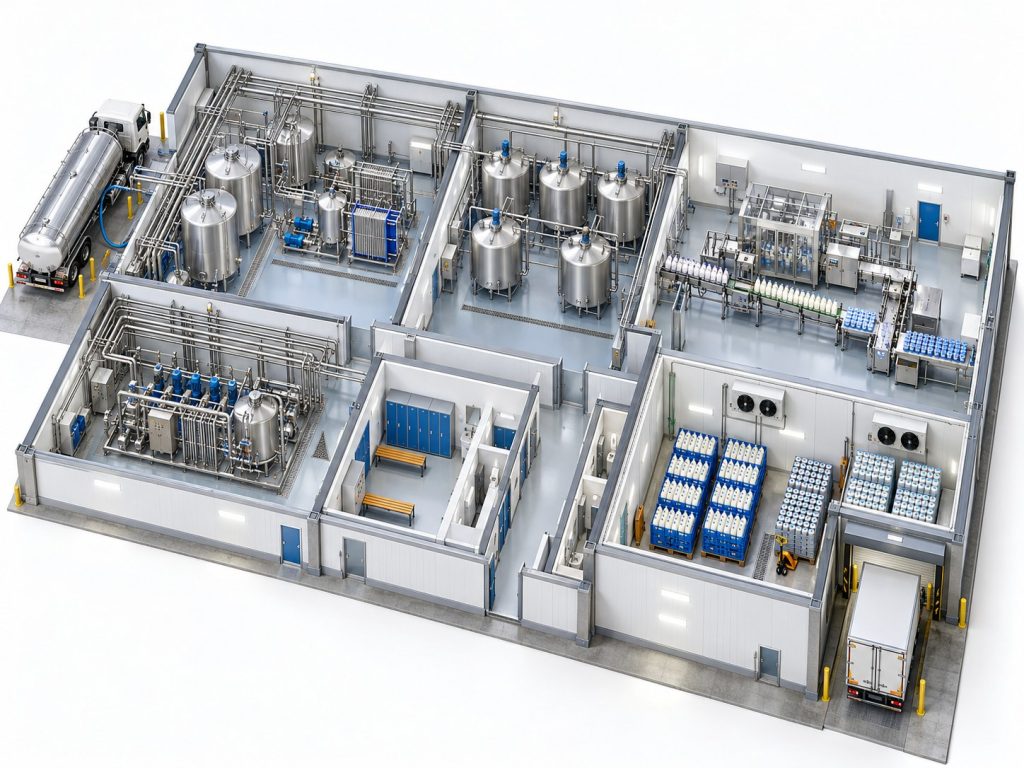
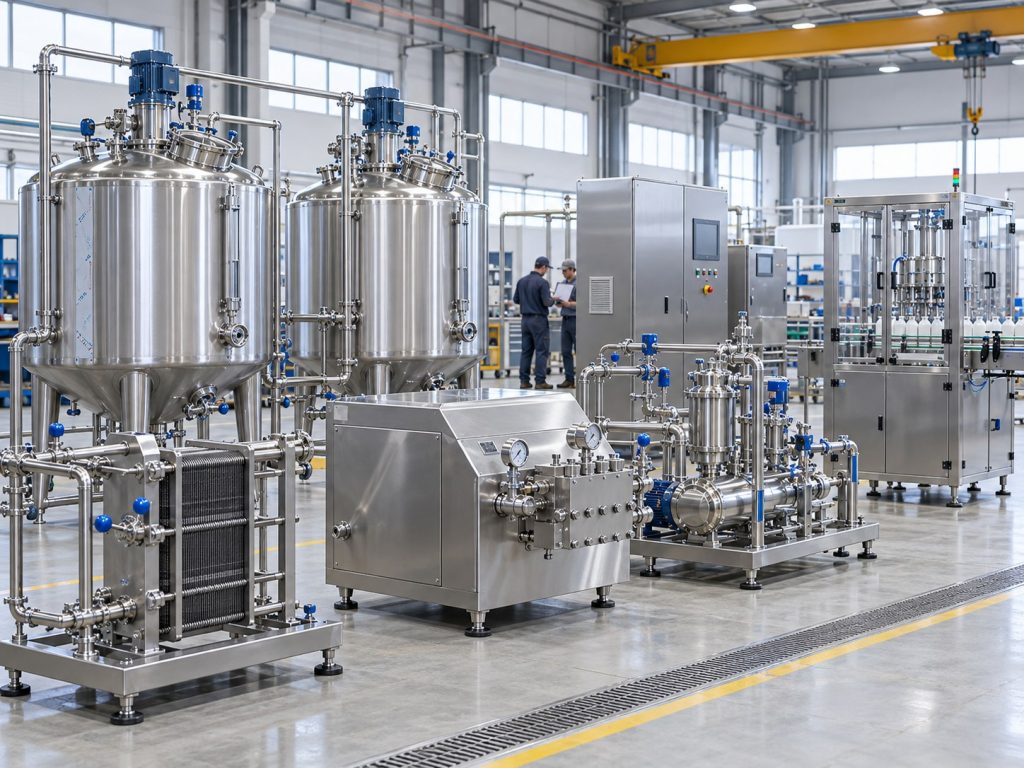
A typical line may include a milk reception system, storage tanks, separator and standardization system, homogenizer, pasteurizer or other heat-treatment system, mixing and buffer tanks, fermentation tanks when required, filling equipment, CIP cleaning system and refrigeration equipment. The final equipment list depends on the product and required capacity.
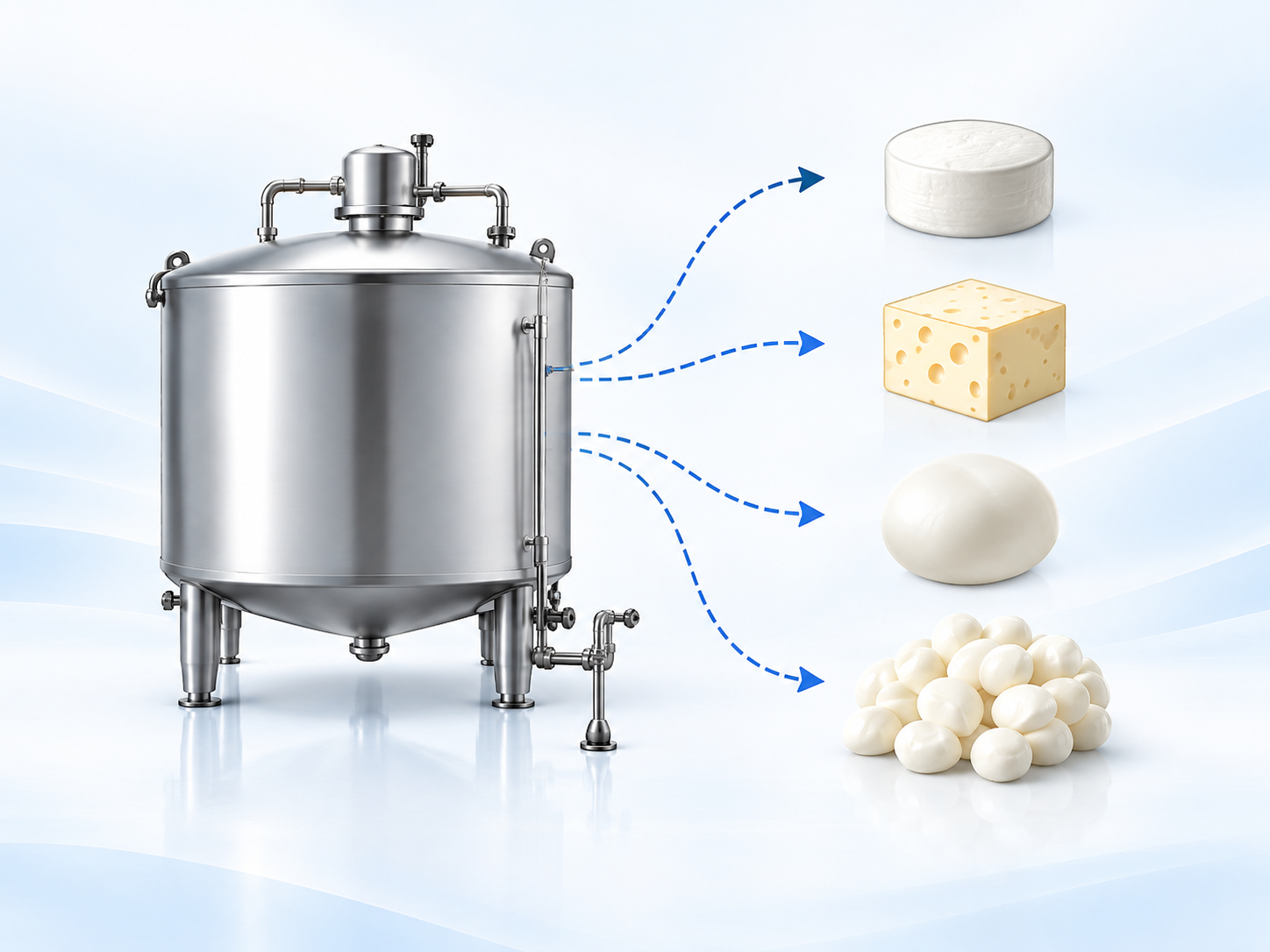
Milk reception, filtration, standardization, homogenization and some heat-treatment stages can often be shared between several liquid dairy products. After these common stages, the product can be directed to dedicated modules for blending, fermentation, UHT treatment, cooling or filling according to the final product.
Line capacity should be selected according to daily milk supply, target products, batch size, number of working hours, packaging requirements and future expansion plans. The capacities of individual processing sections should also be balanced to avoid bottlenecks or unnecessary investment.
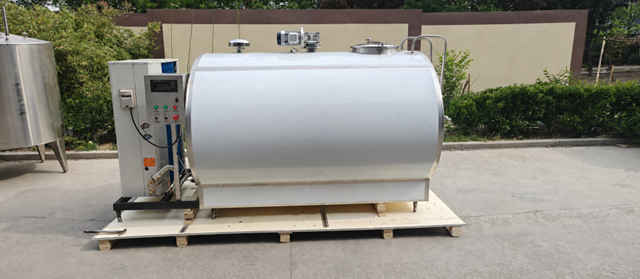
Prepare your daily milk volume, milking schedule, collection frequency, available installation space, and utility conditions so the tank capacity and cooling configuration can be evaluated correctly.
A 1000L milk cooling tank can be suitable when your daily milk volume, milking frequency, and milk collection schedule match its usable capacity. Before choosing the tank, consider how much milk is produced per milking, how often milk is collected, and whether additional capacity is needed for peak production periods.
OUR EXPERTISE